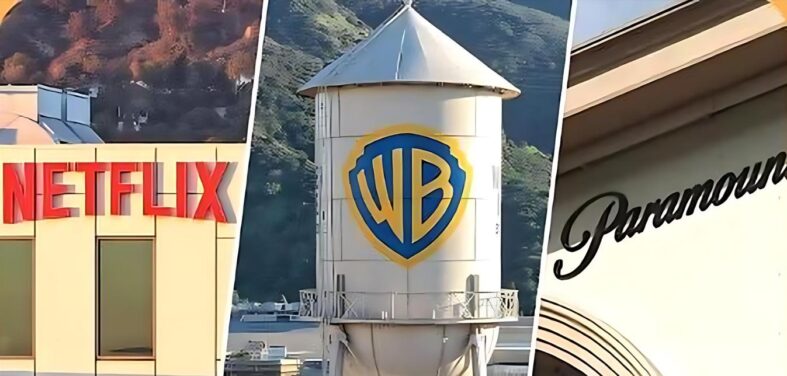
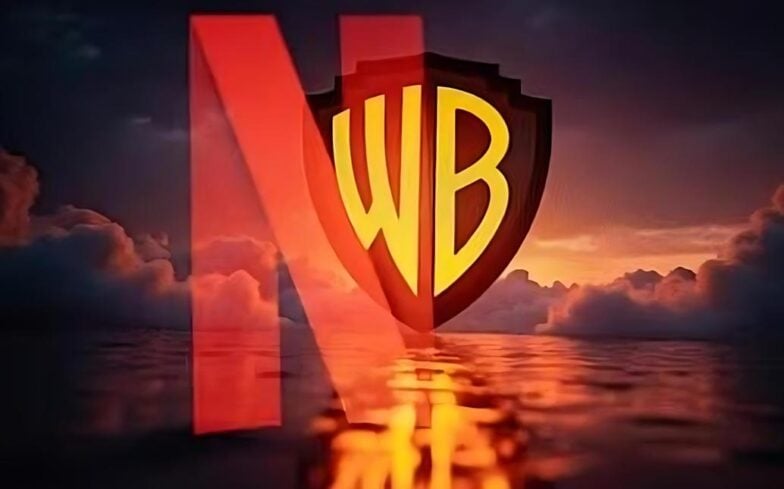
*In a major shakeup reshaping the entertainment industry, Netflix has officially withdrawn from its pursuit of Warner Bros. Discovery assets, leaving Paramount Skydance as the frontrunner to acquire the entire company.
The biggest update in the ongoing media industry saga came today (February 26, 2026), with multiple developments signaling a potential seismic shift in Hollywood’s power structure.
Key Developments
Netflix backs out: After Warner Bros. Discovery’s board deemed Paramount Skydance’s latest revised offer a “Company Superior Proposal” earlier today, Netflix declined to match or raise its bid. The streaming giant stated the required price made the deal “no longer financially attractive.”
This ends Netflix’s previously signed agreement from December 2025 to acquire WBD’s studios, streaming (Max), and related intellectual property for approximately $83 billion (valued at roughly $27.75 per share for those assets).
Paramount’s winning position: Paramount Skydance’s all-cash offer now stands at $31 per share for the entire Warner Bros. Discovery, valuing the company at an estimated $77–111 billion, depending on sources and included assets. This represents an increase from $30 per share earlier this week.
Scroll to continue reading









The sweetened offer includes:
-
A $7 billion reverse termination fee if regulators block the deal
-
Coverage of the $2.8 billion breakup fee WBD would owe Netflix
-
A daily “ticking fee” of $0.25 per share starting after September 30, 2026, to incentivize quick closure
The WBD board’s determination triggered a four-business-day matching period for Netflix, but the streaming giant opted out immediately, cementing Paramount’s position as frontrunner.
Regulatory Landscape
Notably, Paramount’s antitrust waiting period under the Hart-Scott-Rodino Act expired on February 19, 2026, signaling progress through regulatory channels. However, a deal of this magnitude would still face intense scrutiny.
The proposed combination would unite major studios (Paramount Pictures + Warner Bros.), extensive cable networks (including CNN, TBS, TNT), and vast library assets under the leadership of David Ellison (Skydance)—all amid broader industry consolidation pressures.
This saga stems from months of hostile bidding that began in late 2025. Paramount launched aggressive moves, Netflix secured an initial deal in December, and Paramount kept escalating with increasingly competitive offers.
Market Reactions
Wall Street responded swiftly to the news:
-
Netflix stock reportedly rose sharply (some reports indicate approximately 10%) after exiting, suggesting investor relief at avoiding an expensive, debt-laden fight
-
WBD shares saw slight movement in extended trading as markets digested the implications
What Happens Next
No final closure has been reached yet. Paramount and WBD still need to execute a definitive agreement following the expiration of the matching period. However, momentum strongly favors an Ellison-led takeover of Warner Bros. Discovery.
If completed, the merger would fundamentally reshape Hollywood’s landscape, combining two legacy studios with deep catalogs and production infrastructure under one roof, while Netflix returns focus to its core streaming business after a costly bidding war.
For industry observers, the implications extend far beyond boardrooms—from content pipelines and theatrical distribution to thousands of jobs across Los Angeles and production hubs nationwide.
But not everyone is celebrating. In fact, some media watchers are sounding alarms about what an Ellison-controlled empire could mean for journalism and the public square.
“Game over,” says Roger Friedman of ShowBizz411. “Paramount, strings pulled by Trump and the right wing, will own CNN and CBS News. If true, we are doomed.”
Friedman goes on to note that Donald Trump is already influencing CBS News through Paramount’s Ellison.
“If Ellison gets his hands on CNN, which now seems likely, media chaos is about to ensue,” Friedman warns.
He points to early indicators of what such influence might look like: “Ironically, the Ellisons’ takeover of CBS News—in turn jettisoning its legacy for a conservative push—has been a bust. Last week, the CBS Evening News with Tony Dokoupil dropped to 4.1 million from 4.5 million, and down 21% since it began last month.”
As the deal moves toward finalization, questions about editorial independence, political influence, and the consolidation of news media under conservative-leaning ownership are likely to intensify.
*Editor’s Note: This article is based on breaking news developments as of February 26, 2026. For EURweb’s ongoing coverage of how this merger could impact Black talent, diverse content pipelines, and industry jobs, stay tuned for follow-up reporting. *
(If You Like/Appreciate This EURweb Story, Please SHARE it!)
MORE NEWS ON EURWEB.COM: ROOTS AT 50: Eight Nights That Shook Apart and Brought Together a Nation
We Publish Breaking News 24/7. Don’t Miss Out! Sign up for our Free daily newsletter HERE