Nigeria’s Open Defecation Problem Isn’t About Awareness
*Every year, Nigeria rolls out new campaigns to end open defecation. Billboards go up, slogans fly, and pledges pour in. But for millions, the bush remains their only bathroom. Not by choice, but by default.
This isn’t a story of ignorance. It’s a story of failed systems. Despite years of effort, the toilets are either broken, missing, or so poorly maintained that people avoid them entirely. What’s missing isn’t funding or intention—it’s accountability.
Why Government Plans Keep Falling Flat
From Abuja to Ibadan, policy roadmaps promise better sanitation. Yet research shows a much different reality on the ground: decaying facilities, unusable toilets, and community fatigue. Many projects fail within months of launch, according to BusinessDay.
According to the World Bank, 60% of public toilets in Nigeria break down within five years. Why? Poor maintenance. No one to manage them. No local involvement. And most importantly, no one was held responsible.

Scroll to continue reading









Top-Down Sanitation Programs Are Failing the People
Toilet blocks may get built, but they rarely last. Top-down solutions miss the mark when they exclude the very people who need the service. Without community buy-in, facilities become ghost sites.
Residents often abandon new toilets because they’re not designed with them in mind. The result? People return to the bush—disillusioned and discouraged.
Where Community Accountability Could Change Everything
It’s time for a bottom-up approach. Communities must be empowered to monitor and maintain their own sanitation. Committees made of local leaders, landlords, and youth could take charge—if they’re properly supported.
These groups need more than good intentions. They need laws that back them, training that equips them, and funding that sustains them. Otherwise, they’re just another toothless task force.
Cultural Barriers and Broken Messaging
In many urban areas, public toilets are wrongly seen as “for the poor.” This stigma slows down adoption of community models like CLTS, even when they work. The message must change.
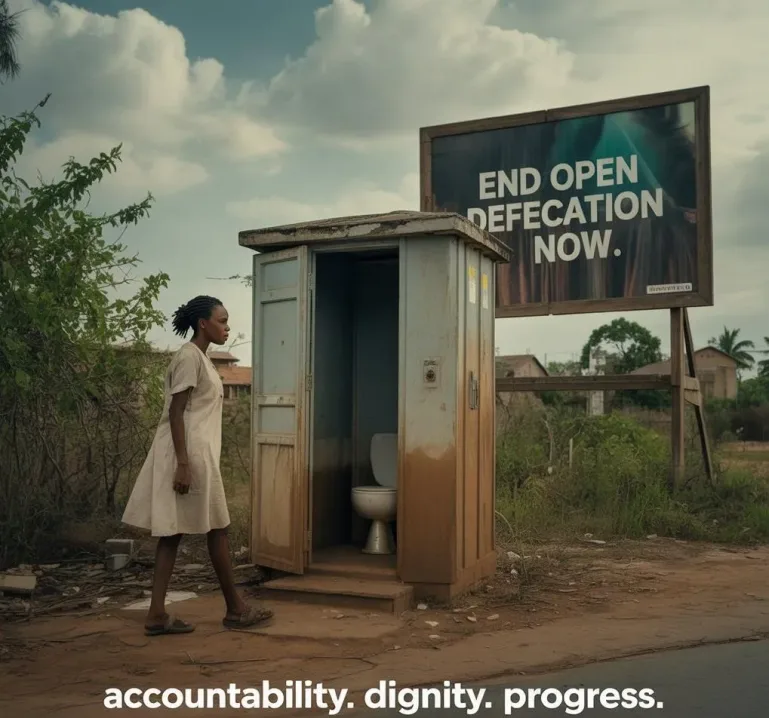
Sanitation should be framed as modern, aspirational, and tied to status—just like it was in Bangladesh and India. There, toilets became symbols of dignity and progress. Why not here?
Stop Shaming, Start Understanding
Shame-based campaigns don’t always work. In many Nigerian communities, pride and subtle influence speak louder than public scolding. Messaging must be local, respectful, and smart.
And it must address safety. One woman said: “I wait until it’s dark so no one sees me, but I’m always afraid.” That’s not inconvenience—that’s a safety crisis. Women and children face daily risks due to poor sanitation.
No Data, No Direction, No Progress
Sanitation efforts are stumbling in the dark. Health workers confirm spikes in waterborne diseases during rainy seasons, but few official records connect those outbreaks to sanitation failures. That’s a major problem.
Nigeria needs integrated systems to track toilet usage, health impacts, and behavioral change. Countries like Bangladesh have already done this—and it works.
NGOs Can’t Fix What the Government Must Own
Too often, sanitation is left to donors and NGOs. But this is a public health issue—and it is the government’s responsibility. Formal partnerships with local organizations can help scale what works, like training local “sanitation champions.”
These champions succeed because they are rooted in the communities they serve. They are respected, trusted, and held accountable by neighbors—not by faraway officials.

Why Toilets Are a Measure of National Progress
Toilets aren’t just about hygiene. They reflect dignity, safety, and the basic functioning of the state.
When a child dies of cholera in a neighborhood without toilets, it’s not bad luck—it’s a system failure.
If Nigeria truly wants to end open defecation by 2030, it must treat this as a national priority—not a seasonal slogan. The test isn’t in building new toilets. It’s in whether they’re still working—and being used—five years from now.
MORE NEWS ON EURWEB.COM: DANGER ZONE: 100°F+ Heat Dome to SMOTHER Half of America – Is YOUR City on the List? | VIDEO
We Publish Breaking News 24/7. Don’t Miss Out! Sign up for our Free daily newsletter HERE.