*This may seem to some as another “woke” move, but In a bold move aimed at leveling the playing field for all students, California has enacted a groundbreaking law that forbids private colleges from favoring children of alumni and donors in their admissions processes.
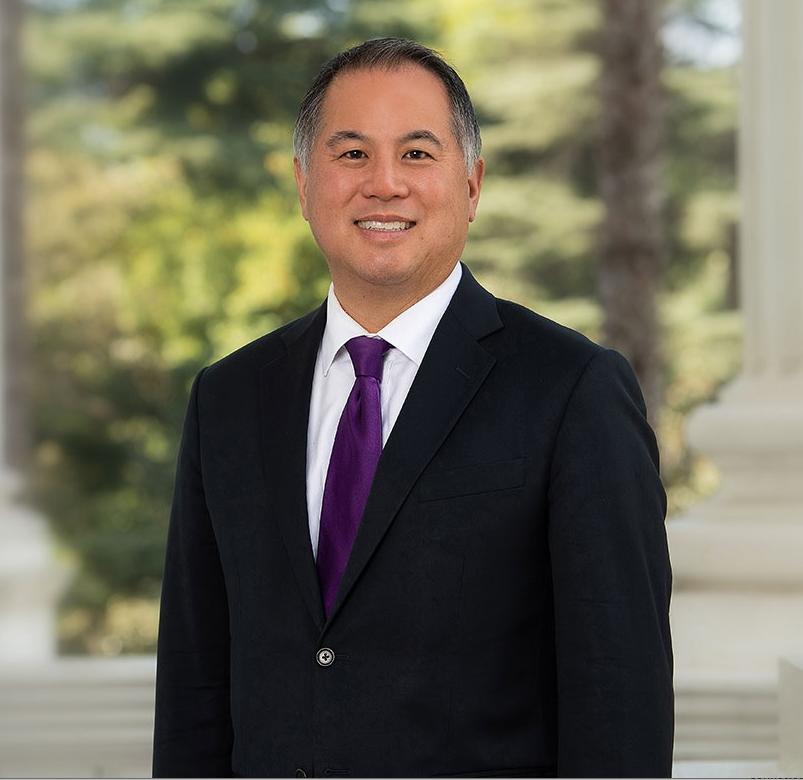
Authored by California Assemblymember Phil Ting (D-San Francisco) and signed by Governor Gavin Newsom in September 2024, this law will take effect in September 2025 and comes in response to the federal Supreme Court’s decision to overturn affirmative action in June 2023.
Assemblymember Ting voiced his concerns regarding the inequalities in college admissions during a recent interview with Ethnic Media Services. “If you can’t offer preferential treatment based on race to address past racial discrimination, why would you continue providing preferential treatment for the richest Americans?” he questioned, pointing out the inherent advantages that legacy admissions offer to wealthy applicants.
The discussion around legacy admissions gained momentum following Justice Neil Gorsuch’s remarks during the Supreme Court ruling, wherein he remarked that such practices “undoubtedly benefit white and wealthy applicants the most.” The law seeks to eliminate this bias, following a broader trend to scrutinize admissions practices that favor affluent students.
Scroll to continue reading









Initially, Ting proposed a more stringent version of the bill, AB 1780, which would impose a financial penalty on private colleges for considering legacy status in admissions. The funds collected would have matched the amount each institution receives from Cal Grants, aimed at assisting low-income students. However, after opposition from the Association of Independent California Colleges and Universities, who argued that this could severely hinder fundraising efforts, the bill was amended to require only reporting the legacy admissions data without any fines.
Despite the revisions, the new law saw substantial bipartisan support in the California Assembly, with a unanimous vote of 55 in favor and none opposed. Similar to AB 697—Ting’s 2019 legislation requiring annual reporting of legacy admissions data—the current law underscores the need for transparency and accountability within private colleges.
Data from 2022 revealed the pervasive nature of legacy admissions in California’s private colleges, with institutions like the University of Southern California and Stanford University admitting substantial percentages of students through this channel—14.4% and 13.8%, respectively. The data collection enabled by earlier legislation helped further illustrate the scale of the issue, showing that over 3,300 out of 31,633 undergraduates admitted that year were legacy applicants.
Public opinion generally disapproves of legacy admissions, with a Pew Research poll indicating that 75% of Americans believe such practices should not influence college admissions decisions. This sentiment extends across party lines, although views on affirmative action remain more divided.
The grassroots support for ending legacy admissions aligns with similar legislation in other states, including Illinois, Maryland, Virginia, and Colorado. While New York’s more stringent Fair College Admissions Act is currently under consideration, California’s law underscores a growing movement toward ensuring equitable access to higher education.
Ting acknowledges that the work is far from over in the quest for equity in education. “Not everybody gets equal access to K-12 education, particularly low-income students,” he reflects, noting the crucial differences that still affect students’ college admissions prospects.
As California blazes a trail for more equitable college admissions, the impact of this legislation on future generations of students remains to be seen.
MORE NEWS ON EURWEB.COM: Shawn Carter Foundation Launches Financial Education Program for HBCUs