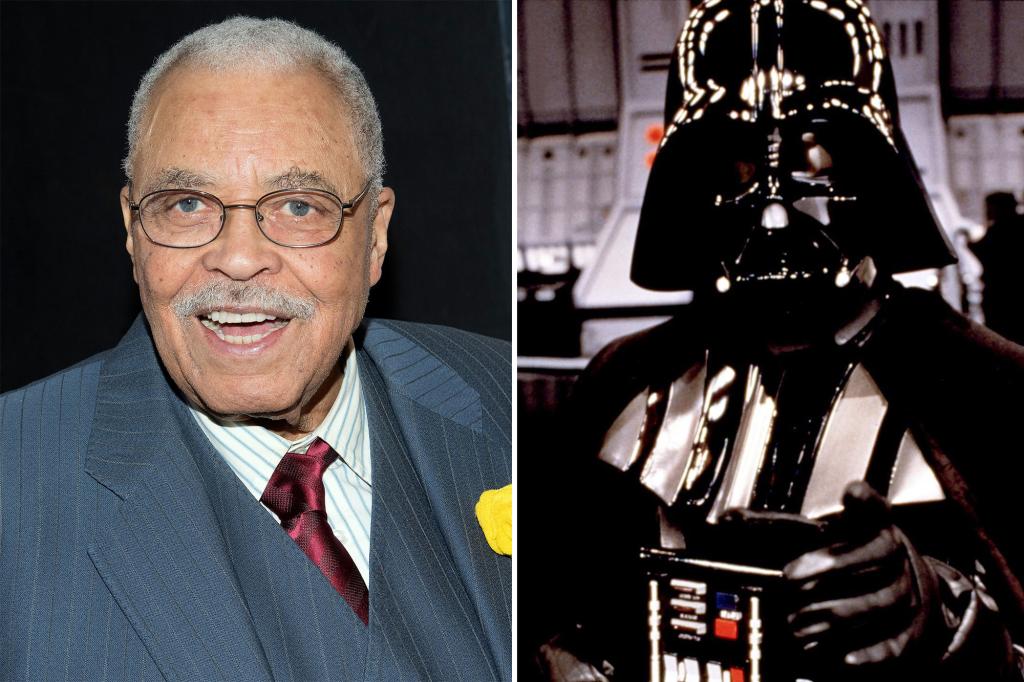
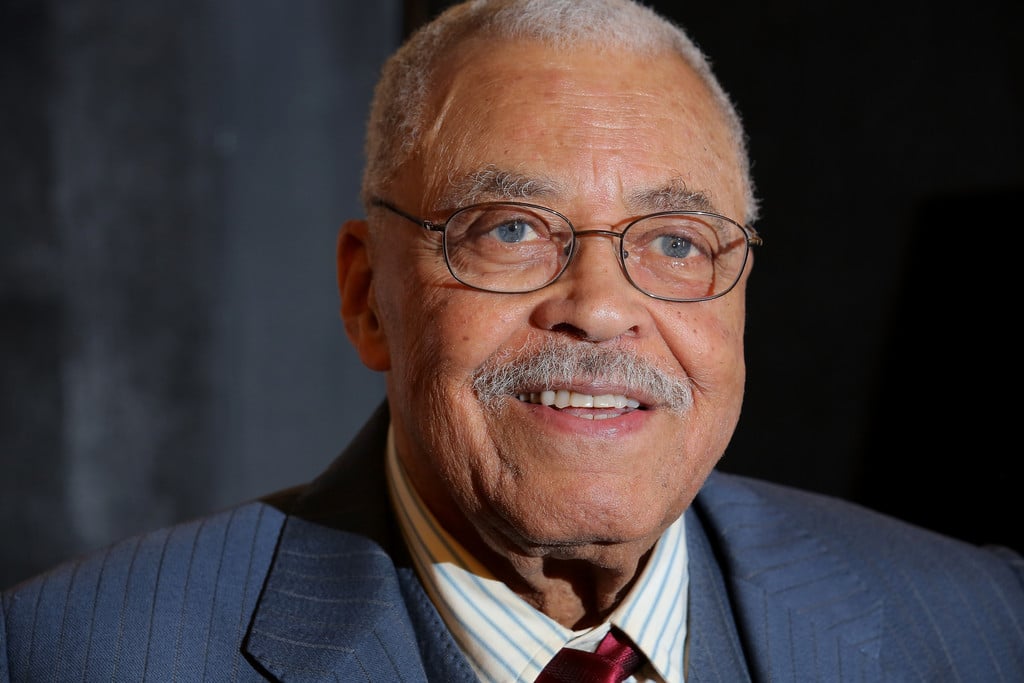
*James Earl Jones is physically not with us, but the iconic actor made sure his voice would still be heard. ABC News reports Jones took steps to preserve his vocals by allowing the use of artificial intelligence (AI) to replicate his performance as Darth Vader after he stepped away from the iconic “Star Wars” role.
Evidence of AI’s presence in the “Star Wars” universe can be found in the recreation of Vader for the 2022 Disney+ show “Obi-Wan Kenobi” well as Mark Hamill’s voice being “de-aged” using Respeecher for his appearance as Luke Skywalker in “The Mandalorian.”
Jones’ willingness to allow AI to replicate his voice opens the door for discussion about voice acting as an art as well as potentially setting the stage for transparent AI agreements that fairly compensate an actor for their performance with consent.
“If the game companies, the movie companies, gave the consent, compensation transparency to every actor that they gave James Earl Jones, we wouldn’t be on strike,” Zeke Alton, a voice actor and member of SAG-AFTRA’s interactive media agreement negotiating committee, told ABC News. “It proves that they can do it. They just don’t want to for people that they feel don’t have the leverage to bargain for themselves.”
Although Skywalker Sound and Respeecher have yet to comment on AI using Jones’ voice to replicate his performance as Vader, a sound editor with Skywalker Sound told Vanity Fair that the entertainer signed off on the use of archival recordings to keep Darth Vader alive and that he guided Darth Vader’s performance for the Disney+ show as “a benevolent godfather.”
Scroll to continue reading



Since its creation, AI has generated mixed results for folks who see it as an asset and a threat to their personal and professional livelihoods. The issue has been a major concern for voice actors, who fear AI could reduce or eliminate job opportunities.
For them, the possibility of the technology being used to replicate one performance into several other movements without their consent is very real. So much so that video game performers with the Screen Actors Guild-American Federation of Television and Radio Artists went on strike in late July.
Weighing in on the situation, voice actor Brock Powell stated the means of using an actor like Jones’ voice in perpetuity could give way towards erasing the need for actors who specialize in matching voices.
That type of work, ABC News notes, provides steady jobs for many performers, who can recreate a famous voice for video games, animated series, and other types of media.
“To quote ‘Jurassic Park,’ the scientists were so preoccupied with whether or not they could, they didn’t stop to ask if we should,” Powell said.

Crispin Freeman, an actor who did voice-matching work replicating Orlando Bloom’s voice in “Pirates of the Caribbean,” expressed that the technology may take away voice-matching roles, but doesn’t harm “the ability of future artists to blaze their own trails” in new roles.
“We always need to keep reinventing new stories as we’re going forward, and not simply relying on the old stuff,” he told ABC News. “Rather than worrying, ‘Oh, will someone else be able to be Darth Vader,’ why don’t we make a new ‘Star Wars’ character that’s as compelling as Darth Vader?”
News surrounding Jones’ voice and AI comes days after his death on Aug. 9. During his 93 years of life, the actor made a lasting impact with notable film roles in “Field of Dreams and “Coming to America, among many others,” in addition to Tony Award-winning recognition in “The Great White Hope” and “Fences.”
As a voice actor, Jones emerged as the voice of CNN with his “This is CNN” tagline and excelled on the big screen as Vader in the “Star Wars” franchise and Mufasa in the animated classic “The Lion King.”
For more on James Earl Jones’ decision to let AI be used in replicating his Darth Vader voice, click here.
MORE NEWS ON EURWEB: James Earl Jones: The Legendary Voice Behind Darth Vader and Mufasa Dies at 93