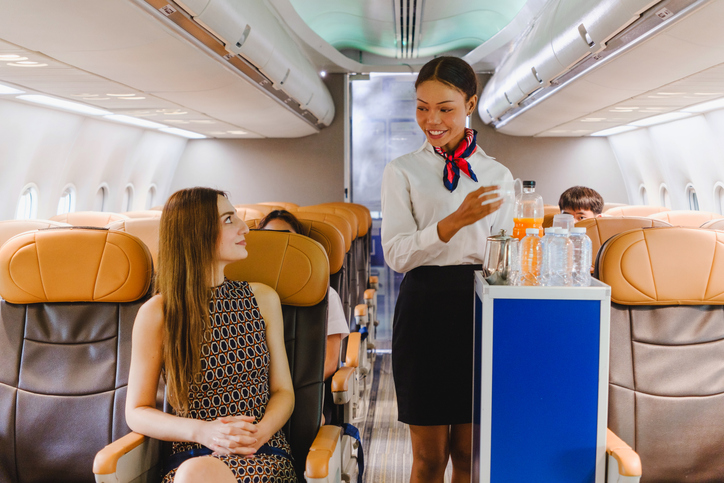
*Flying can be stressful enough without adding unpleasant or risky food and drink choices to the mix. Flight attendants emphasize that what you order onboard can affect your comfort, health, and even your fellow passengers’ experience. Certain items are better left off your in-flight menu to avoid awkward situations or potential health hazards.
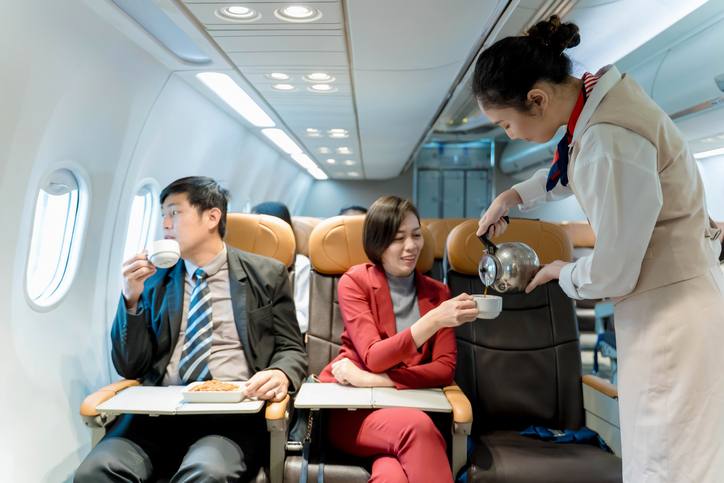
Coffee and tea may seem like essential travel companions, especially on early or overnight flights. However, former flight attendant Alex Quigley warns that airplane water tanks, used to brew these beverages, are not always regularly cleaned.
“There’s no telling how often or when the tank has been cleaned last,” he explains. Quigley notes that leftover coffee often must be disposed of in the airplane toilet, and he has “NEVER knew or saw anyone empty and refill or wash them out in between trips.”
Strong-smelling snacks can make the cabin unpleasant. An anonymous flight attendant recalls that these snacks “stink the second you open the package” and should be avoided, along with any onion- or garlic-flavored options. Odorous foods can irritate other passengers in the confined space of an airplane.
Scroll to continue reading








Meat dishes are also risky. Quigley explains that delays and storage issues can compromise cooked meals, potentially leading to foodborne illness. He advises skipping meat altogether to minimize the risk of food poisoning. “You’re putting the trust of storing any meat in the flight attendant’s hands, and as we all know, delays happen, and mechanical issues happen; so if you run into a situation where there’s a possibility the cooked meals aren’t actually being stored appropriately or have exceeded the storing time allotted for the meal… Food poisoning on a plane? No thanks!”
Gas-inducing foods—beans, fatty meals, dairy, and carbonated drinks—can be especially uncomfortable due to cabin air pressure. “Air in the airplane is circulated, it’s never fresh. That means if someone passes gas, you’re breathing that in over and over again, so this is more so for common decency,” Quigley says.
Alcohol can exacerbate dehydration and affect how your body handles oxygen at high altitude. Quigley cautions, “You’re not actually doing yourself a favor by drinking on a flight.”
By steering clear of coffee, strong-smelling snacks, meat, gassy foods, and certain alcoholic beverages, travelers can help ensure a safer, more comfortable, and more considerate in-flight experience.
MORE NEWS ON EURWEB.COM: Southwest Airlines Sets New Lithium Battery Rules for Wheelchairs, Scooters
Sign up for our Free daily newsletter HERE.