*Music is a multi-layered thing, with multiple types for multiple people. Rap, pop, R&B, rock and country. You name it, it’s your cup of sing-along tea.
While those genres occupy a lot of space on playlist, funk is among a few others that may get overlooked when finding something to get you on the dancefloor. Fortunately, the genre is still alive and well, with shades of it popping up on many well-known songs.
But there was a time when funk was prominently heard. And it was created by James Brown the man who laid the blueprint for music styles and legends alike.
Chronicling the birth and evolution of funk, The Ohio Newsroom noted the genre’s mid-1960’s arrival, with a focus on syncopated rhythms with a strong emphasis on the down beat.
Among those keeping funk on the music radar is David Webb. the founder and CEO of the Funk Music Hall of Fame and Exhibition Center in Ohio. For him, funk goes deeper than its unique groove. It’s a gateway into the Black movement and a look into “what’s going on in the neighborhoods” before exploding worldwide.
Scroll to continue reading






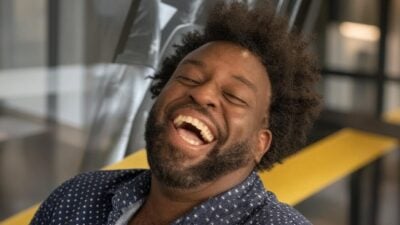
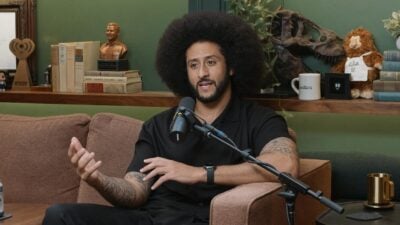
Webb motivation is heightened with his nationally syndicated funk music-centered program, the Dayton Scene Radio Show. Webb not only created the show but also serves as executive producer in joining co-hosts Stephanie Thornton and Trent Darby.
“Like James Brown says, funk is on the one,” Webb told The Newsroom, “Funk music is part of the genre of gospel and blues. It tells the story of Black movement and what’s going on in the neighborhoods.”
Although funk has impacted many places, it is Dayton, Ohio that Webbs feels contributed most to the music.
“Ohio is the heart of it all,” Webb declared. “And Dayton, Ohio, and Southwest Ohio is the nerve center of funk music.”
The creation of funk came as factories populated Dayton, with folks coming down during the decades-long Great Migration for jobs that were available. By 1960, Black Americans comprised about a fifth of the city’s population, as they sought employment from corporations like General Motors and the National Cash Register Co. (NCR).
With the increase of people moving into the city, came the culture of those same people as well as their music.
“When I was growing up, everyone in my neighborhood listened to the radio,” Thornton recalled to The Newsroom. “It was nothing to hear the radios blasting James Brown or whoever. (Funk) made the folks happy. It made them laugh. It made them dance. It made them be free.”
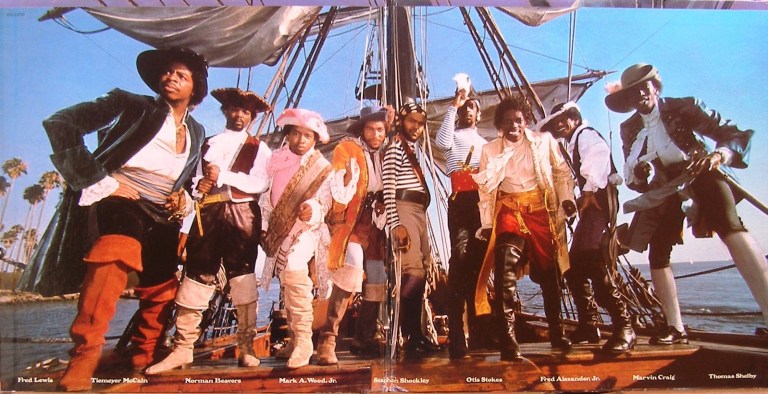
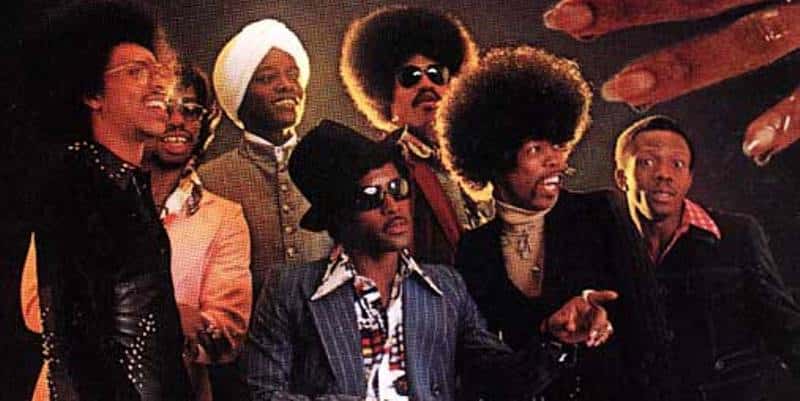
Free enough to create their own brand-new funk. The Dayton-based band The Ohio Players opened the door in 1973 with their first smash hit, “Funky Worm.”
“And that kind of catapulted other local musicians in Dayton, Ohio, to follow suit,” Darby explained to The Newsroom. “Soon after that, you had the group Slave. They came on the scene in 1977, with a No. 1 smash called ‘Slide.’”
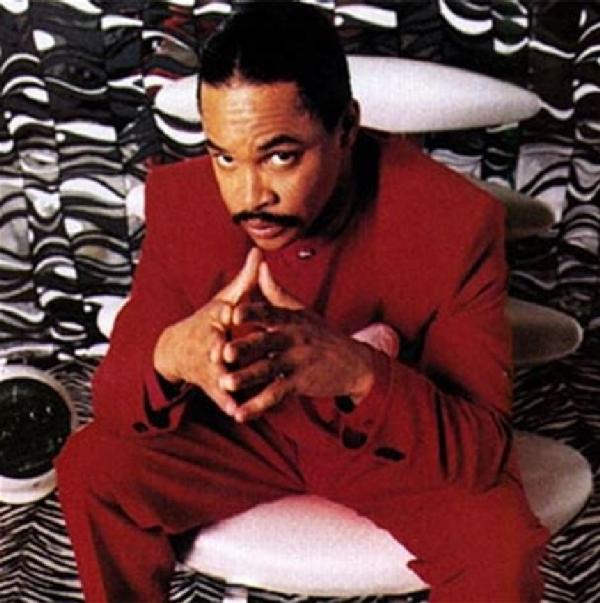
Among Dayton’s homegrown funkateers was iconic groups such as Sun, Faze-O, Lakeside and Zapp. With each act, came hit after hit and a reputation for the city as the funk capital of the world: “At one point Dayton, Ohio, on the billboard chart, had five records in the top 50 at one time,” Darby acknowledged.
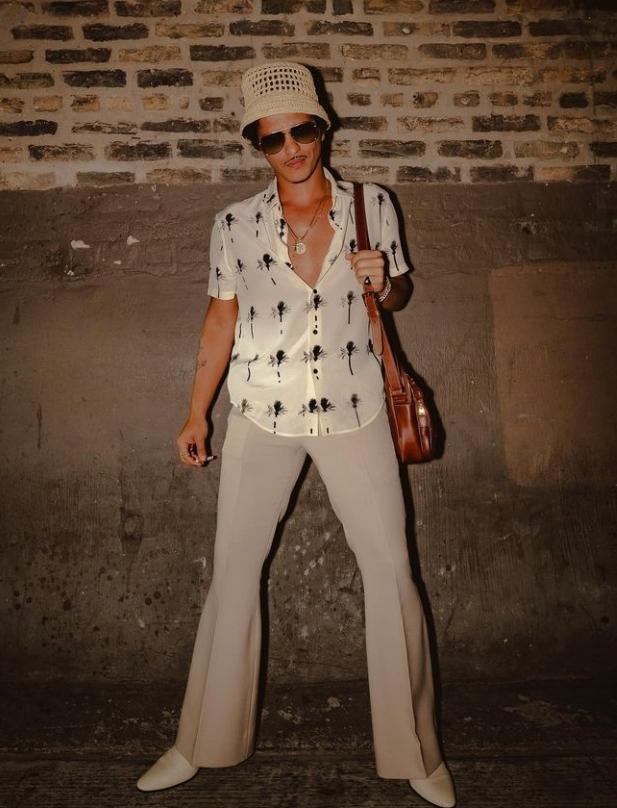
Transition to present times and funk is not as prevalent as it was in the ‘70’s and ‘80s. But it is enjoying a reintroduction to young music lovers via Bruno Mars’ massive hit “Uptown Funk.
Webb also referenced hip hop artists brining funk to the masses with sampling the genre’s classics often and looping them to form the heartbeat of their music.
Looking to the future, plans call for Web, Darby and Thornton and other funk supporters to shine a well-deserved light on Dayton’s musical influence as well as open a new home for the Funk Center.
“Funk music is not going away,” said Webb. “We’re keeping funk alive for generations to come.”
For more on Dayton, Ohio and its role in the history of funk music, click here.
MORE NEWS ON EURWEB: Rock, R&B, and Funk Unite: Tribute Bands and Local Stars Set to Ignite Anaheim at “Night of Tributes”
Sign up for our Free daily newsletter HERE.