Ciara Becomes One of First Citizens Under New Benin Law
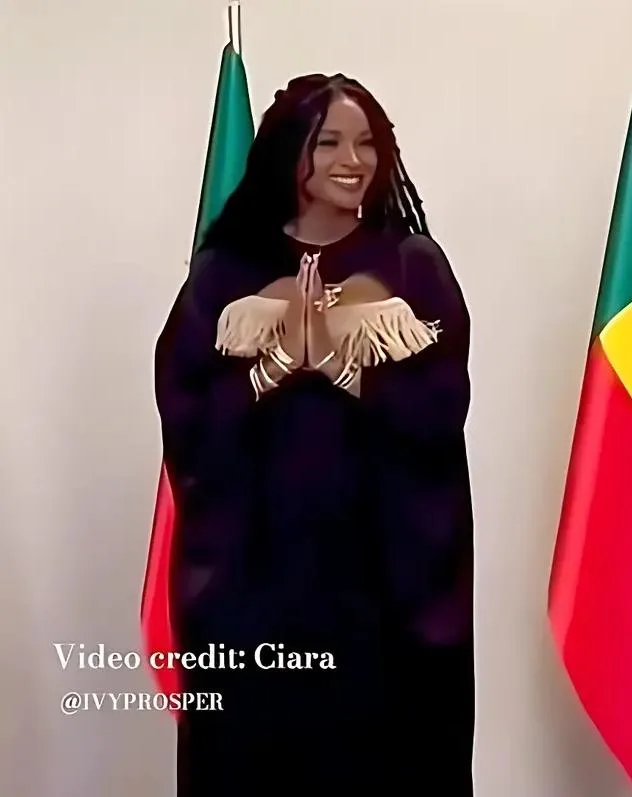
*U.S. singer Ciara has officially become a citizen of Benin under the country’s new Afro-descendant citizenship law. The Grammy-winning artist received her citizenship during a ceremony in Cotonou, Benin’s largest city, on Saturday. The initiative seeks to reconnect the Black diaspora to their ancestral roots and acknowledge Benin’s historical role in the transatlantic slave trade.
Justice Minister Yvon Détchénou described the citizenship program as a way of healing history.
“By legally recognizing these children of Africa, Benin is healing a historical wound. It is an act of justice, but also one of belonging and hope,” he said during the ceremony.
Ciara is among the first prominent public figures to benefit from this groundbreaking law. Her emotional journey symbolizes both cultural reconnection and a growing trend of African nations welcoming descendants of enslaved people back to their ancestral homelands.

Scroll to continue reading







Inside Benin’s Afro-Descendant Citizenship Law
The law, passed in September, grants citizenship to descendants of enslaved Africans who can trace their lineage to the slave trade. Applicants must be at least 18, lack other African citizenship, and provide proof of ancestry through DNA tests, family records, or verified testimonies. Benin’s government also launched My Afro Origins, a digital platform designed to streamline applications worldwide.
Benin’s approach stands out because of its historical significance in the slave trade. The nation was once a central hub where European merchants deported approximately 1.5 million enslaved people from the Bight of Benin to the Americas. This citizenship law is part of a broader effort to address its complex past while building bridges with the global African diaspora.
While other African countries offer similar programs, Benin’s open acknowledgment of its role in slavery adds deeper meaning to its Afro-descendant citizenship efforts.
Benin’s Reckoning With Its Slave Trade History
Unlike some nations, Benin has openly confronted its complicity in the slave trade. Beninese kings historically captured and sold enslaved people to European traders, a painful reality still tied to modern tribal communities. In the 1990s, Benin hosted an international conference examining its slave trade history, and in 1999, then-President Mathieu Kérékou publicly apologized to African Americans during a visit to Baltimore.
This transparency has allowed Benin to position itself as a hub for historical reflection and reconciliation. The nation’s recognition of its past stands as a powerful gesture toward unity and healing within the global Black community. Today, its initiatives blend cultural restoration with tourism, inviting Afro-descendants to explore memorial sites and rediscover ancestral connections in deeply meaningful ways.
View this post on Instagram
‘Memorial Tourism’ and Sites of Remembrance in Benin
Benin has invested heavily in “memorial tourism,” focusing on sites linked to its role in the slave trade. Ouidah, one of Africa’s busiest slave-trading ports, features landmarks such as the Slave Route and the haunting Door of No Return. These sites offer visitors a chance to reflect on the final paths taken by enslaved Africans before their forced departure.
Sindé Chekete, head of Benin’s tourism agency, highlighted the emotional impact of these experiences. “It may inspire some people to say ‘I want to return to Africa and choose Benin to understand this history,’” he explained. These memorials are central to connecting Afro-descendants with their roots and honoring the resilience of their ancestors.
Following her citizenship ceremony, Ciara toured Ouidah, walking the Slave Route to the Door of No Return. She described it as a deeply transformative experience tied to heritage and identity.
Ciara’s Emotional Journey and Cultural Significance
Ciara shared her reflections after visiting Ouidah’s historic sites. “Between emotion, reflection and heritage, I experienced a profound return to what truly matters,” she said. Her trip not only marked her personal reconnection to Africa but also highlighted Benin’s efforts to attract global attention to its history and culture.
Known for her hits like “Goodies” and “Level Up,” Ciara’s influence in music, fashion, and philanthropy brings global visibility to Benin’s Afro-descendant program. Her citizenship underscores the growing appeal of African nations offering cultural and ancestral reconnection for descendants of enslaved people worldwide.
Her participation may inspire others in the diaspora to explore their own roots and engage with initiatives that merge history, identity, and belonging in powerful ways.
Why Ciara’s Benin Citizenship Matters for the Diaspora
Ciara’s citizenship symbolizes a larger movement among Afro-descendants seeking to reclaim their African heritage. For Benin, it represents both a reckoning with its past and a path toward cultural unity. This initiative not only honors history but also promotes tourism, education, and deeper diaspora connections.
As more high-profile figures participate, Benin’s Afro-descendant citizenship law may influence other African nations to expand similar programs. The combination of cultural healing and legal belonging makes this a landmark moment in diaspora relations.
For Ciara, the journey goes beyond music and fame—it reflects a broader story of identity, memory, and return. Her new citizenship connects her to a historical narrative shared by millions across the globe.
MORE NEWS ON EURWEB.COM: Kym Whitley Brings Her Comedic Flair to ‘Happy Gilmore 2’ | EUR Video Exclusive
We Publish Breaking News 24/7. Don’t Miss Out! Sign up for our Free daily newsletter HERE.