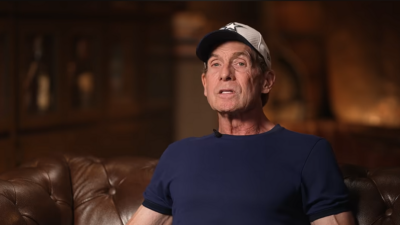
This interview has been edited for length and clarity.
*Decades before the rise of smartphones, the Polaroid Model 95, released for Christmas 1948, transformed photography by giving people the power to see their images develop instantly, a radical leap that reshaped consumer technology and helped lay the groundwork for today’s culture of real-time sharing.
The new PBS documentary “American Experience: Mr. Polaroid,“ from director Gene Tempest, tracks the rise and fall of founder Edwin Land, the Harvard‑dropout physicist who once predicted a camera “you would use as often as your pencil or your eyeglasses.” But the film also highlights a lesser‑known chapter: the Polaroid Revolutionary Workers Movement (PRWM), a group of employees who in 1970 forced the company to reckon with its business in apartheid South Africa, where police used Polaroid cameras to make ID passbooks that tracked Black citizens.
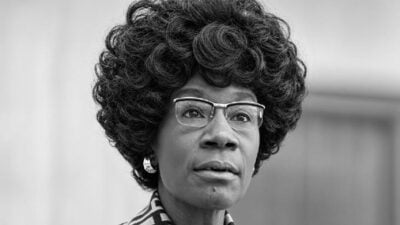
Former chemist Caroline Hunter was central to the movement against Polaroid’s ties to South Africa’s apartheid government. Her on-screen testimony and exclusive EURweb interview reveal how workers, upon discovering these ties, organized a protest that led to devastating publicity for the company.
“Nothing surprised me about the documentary because when we did our work, we studied Polaroid, both as employees and as activists… So, it’s exciting to see it on a national platform with a PBS program,” Hunter said.
Scroll to continue reading









A Revelation in the Research Lab
Hunter recalls the day she and colleague Ken Williams examined a Polaroid‑printed ID card destined for South Africa:
“Ken said, I didn’t know Polaroid was in South Africa. I said, I didn’t know either, but that’s a bad place for Black people… all the things Dr. King said about no one’s free unless everybody’s free, came back to me at that moment,” said Hunter.
From Memo to Movement
Within weeks, the pair authored a letter on company stationery, signing themselves the Polaroid Revolutionary Workers’ Movement and demanding that Polaroid leave South Africa.
“We felt once we had this knowledge, we had to act… that our labor was being used to oppress somebody else,” Hunter explained.
Armed with Hunter’s chemistry training from Xavier University, PRWM gathered evidence and educated coworkers: “What we launched was an education campaign to make apartheid a known word… One of our slogans was: You don’t have to be Black to hate apartheid. You just have to be right thinking.”
Confronting Edwin Land—and a Corporate Secret
“Polaroid was formed in 1937, and their first distributorship was in South Africa in 1938, when South Africa was pro‑Nazi.”
Hunter met Land only briefly before testifying at the United Nations, but PRWM’s pressure pushed the inventor from unassailable visionary to embattled executive.
“Polaroid’s hiring of Blacks after the assassination of Dr. King was performative because what they found is that they had a workforce that wasn’t welcoming, a workforce that was hostile,” she explained.
“There were fights, there were confrontations. That was the beginning of diversity and socialization within the workplace. Lots of corporations started to try to deal with this mass integration… Polaroid was non-union,” Hunter continued. “So you still had no protection, both personally and as a group, for whatever workplace grievances or workplace circumstances that were detrimental to your livelihood, to your future advancement within the corporation.”
A Blueprint for Modern Tech Walkouts
“Our activism has been used to inspire many, many movements,” said Hunter. “I think the greatest pitfall for all of us is we don’t have a sense of our power, that we have economic power.”
Instant Nostalgia, Enduring Warning
“Technology is not pure… Don’t be fooled by the smoke and mirrors. Be vigilant. Be mindful of how technology can be used for you or against you.”
Hunter insists every glossy square frame should remind viewers of the system it once served:
“I think now you can no longer talk about Polaroid as just this fun thing… It was road tested in South Africa from 1948 until the end of apartheid.”
“Mr. Polaroid” streams free on all station‑branded PBS platforms, with closed captioning in English and Spanish. For Hunter, the nationwide debut completes a 55‑year education campaign: “You have to be right thinking and know the difference between right and wrong, and that we have no right to oppress our fellow citizens.”
Watch our full interview with Caroline Hunter in the clip below.
“Mr. Polaroid” is now streaming on PBS.org.
MORE NEWS ON EURWEB.COM: Courtney B. Vance and Tia Carrere Share Behind-the-Scenes Moments From Disney’s ‘Lilo & Stitch’ Remake | WATCH
We Publish Breaking News 24/7. Don’t Miss Out! Sign up for our Free daily newsletter HERE.