Shea Shelf’s Viral Call for Boycott Gains Traction
*A planned August 1 boycott of African-owned businesses, especially braiding salons, is set to begin August 1, 2025. The movement, led by TikTok creator Shea Shelf (@shea_thecreator), emerged from frustrations about poor service and cultural tension in these salons.
Shea’s passionate video urged Black Americans to stop patronizing African braiders and instead support Black American stylists and small businesses.
“Black Americans, come here, come here. This is a message for y’all, especially my Black American women. Come here, listen. I think it’s time for us to show how strong and how powerful the Black American dollar is, since they don’t believe us. I think it’s time to boycott the braiding shops.”
Shea cited complaints about unprofessionalism, tight braiding causing hair damage, and braiders speaking in native languages about clients. Her call struck a chord, gaining momentum on TikTok and sparking conversations on platforms like Lipstick Alley about economic power and respect within the Black community.
View this post on Instagram
Scroll to continue reading

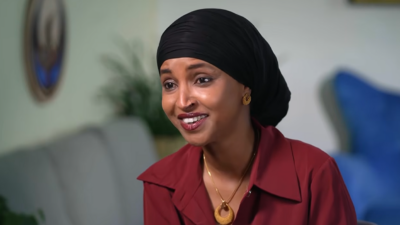
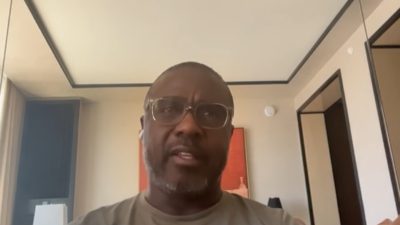
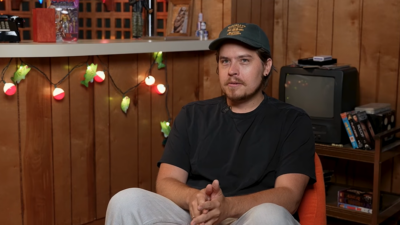

Nadine Djuiko Issues Emotional Apology Amid Backlash
Nadine Djuiko, owner of Nadine’s Hair Braiding in Bowie, Maryland, responded with an emotional apology on TikTok (watch it above via Instagram). Her salon, famous for its fast and affordable braiding services, employs over 400 braiders, many of whom are Cameroonian refugees or asylum seekers. Djuiko admitted shortcomings in service and urged African immigrants to treat Black American clients with greater respect.
“I’m here today because deep inside me, my whole soul wants to say, ‘I’m sorry.’ This is a wake-up call for all African immigrants in America. We need to do better.”
Djuiko’s salon gained attention in 2021 after a viral TikTok showcased its 24/7 operations and “factory-style” braiding system, which allows multiple braiders to work on a single client in under 3 hours. However, it has also faced criticism over inconsistent quality and even lawsuits related to poor service, issues that fueled its inclusion in boycott discussions.
Social Media Split Over Boycott and Apology
The boycott and Djuiko’s response ignited strong reactions online. Supporters like TikToker @ray.bandz4 pushed for a “total blackout” of African businesses, arguing that Black Americans should leverage their spending power. They pointed to long-standing tensions over perceived disrespect and poor customer treatment.
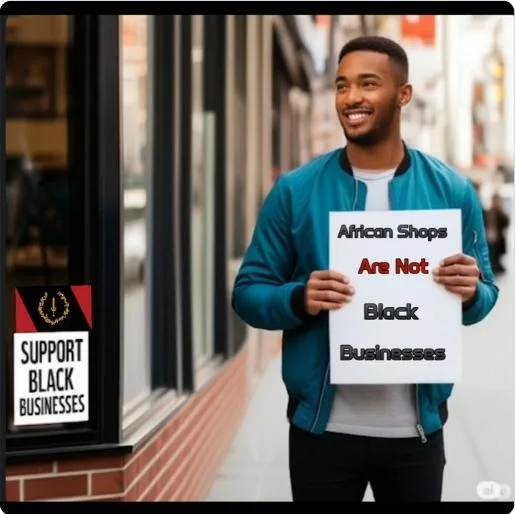
Others called the boycott xenophobic, highlighting that not all African businesses provide poor service. X user @Larry2nuts praised Djuiko’s sincerity, noting her salon’s importance as a major employer for African women. Critics warned that targeting immigrant-run businesses could harm vulnerable workers and strain community relations further.
Some discussions also raised concerns about unintended consequences, such as drawing unwanted scrutiny from authorities like ICE or shifting clientele toward non-Black customers. The debate underscored deeper cultural misunderstandings between Black Americans and African immigrants.
Deeper Cultural Tensions Fueling the Controversy
The boycott has brought diaspora tensions to the forefront. Many Black Americans argue they often face disrespect in African-owned salons, while African immigrants stress the pressures of building businesses while supporting families abroad. This cultural divide has become a recurring topic in online forums and social media debates.
Experts note that such divisions distract from larger systemic issues affecting both communities. Outlets like Black Enterprise and Chicbeauty have urged collaboration rather than conflict, advocating for better communication and mutual support between Black Americans and African immigrants.
While it remains unclear whether the boycott will continue past August 1, it has already sparked meaningful conversations about respect, service quality, and economic solidarity within the Black diaspora. The conversation is far from over, and its outcome could shape future business and cultural interactions.
That August 1st boycott has a lot of them African business owners spooked.
They’re making videos begging other Africans to stop talking bad about Black Americans…LOL
They know that #FBA bag about to disappear. https://t.co/1wc99I7qfT pic.twitter.com/DcoXE9jXEO
— Black Alpha Network (@BlackAlphaNetw1) July 27, 2025
MORE NEWS ON EURWEB.COM: Shocking Black Guerrilla Family Secrets Revealed in VICE TV’s United Gangs of America | Watch Exclusive Clip
We Publish Breaking News 24/7. Don’t Miss Out! Sign up for our Free daily newsletter HERE.