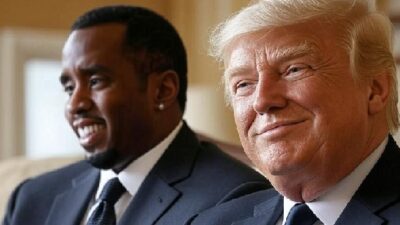
*In a move that has ruffled feathers among historians and cultural advocates alike, President Donald Trump signed an executive order targeting the Smithsonian Institution and its array of museums, educational programs, and research centers.
The directive takes the form of a call to arms against what Trump deems “improper, divisive, or anti-American” ideologies that have crept into the hallowed halls of American history and culture.
With Vice President JD Vance at the helm of this initiative, the executive order seeks not only to redefine the narratives presented by the Smithsonian but also to appoint board members who align with Trump’s vision of a more traditional celebration of American heritage, NBC News is reporting.
This sweeping shift, described in the order as a necessary course correction, claims that the Smithsonian has strayed from its roots, embracing a “divisive, race-centered ideology” that falsely portrays American values as harmful.
Critics and supporters alike have long recognized the Smithsonian as a prestigious institution, a hallmark of American excellence showcasing the nation’s achievements across various fields. Yet, Trump’s order suggests that under the current administration, these achievements have been overshadowed by what he calls a “corrosive ideology.”
Scroll to continue reading









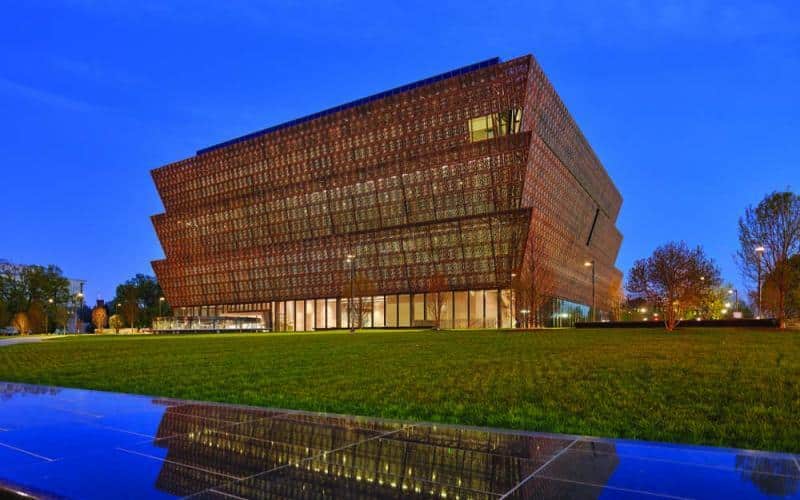
Singling out landmarks such as the National Museum of African American History and Culture, Trump argues that these venues have perpetuated “divisive” narratives rather than fostering a sense of unity and shared American identity.
The order has raised significant questions about the direction in which the Smithsonian will head under Vance’s supervision. By aiming to curate a narrative that emphasizes American exceptionalism, the administration portrays itself as the guardian of a historical perspective that celebrates traditional values at the expense of a more nuanced understanding of America’s complex past.
In tandem with this cultural maneuvering, Trump’s directive extends beyond just the Smithsonian. He has also called on Interior Secretary Doug Burgum to investigate and restore federal parks and monuments that have allegedly been altered in a way that rewrites history or misrepresents historical figures. This is reminiscent of the ongoing discussions surrounding the names of military bases that honor Confederate leaders, echoing Trump’s previous push to revert Alaska’s Mount Denali back to Mount McKinley—a name steeped in controversy.
As Trump re-establishes his narrative in federal funding allocations, he makes it clear that future Smithsonian financial support will be contingent on adherence to a specific interpretation of American values. Programs and exhibits that “degrade shared American values, divide Americans by race” or even those that “recognize men as women” are now on the chopping block. This clear delineation illustrates a broader strategic effort by the Trump administration to reclaim and redefine cultural narratives within prominent institutions, particularly as perceptions of diversity, equity, and inclusion become increasingly contentious in contemporary political discourse.
The cultural landscape of America is ever-evolving, and the push for diversity and inclusion has often been met with resistance from various factions—even within the Republican Party. Trump’s decree resonates with those who feel that recent discussions surrounding race, identity, and history have become overly charged, propelling the dialog into realms that threaten to fracture the national narrative.
While the Smithsonian has not yet publicly responded to the executive order, the implications of this directive create a precarious balancing act between revealing complex stories of America and adhering to the new expectations set forth by the administration. How the Museum navigates this will likely determine its role in American cultural discourse in the coming years.
In an age where cultural narratives are continuously contested and reframed, Trump’s executive order acts as a beacon for his supporters while potentially alienating those who view history through a lens of inclusivity and complexity. As conversations about America’s identity evolve, the response from institutions like the Smithsonian will likely shape the future of how history is told and remembered in this country.
MORE NEWS ON EURWEB.COM: From Sports to Politics: How Stephen A. Smith Became a Key Player for MAGA/Right-Wing Rhetoric | WATCH
We Publish News 24/7. Don’t Miss Out! Sign up for our Free daily newsletter HERE.