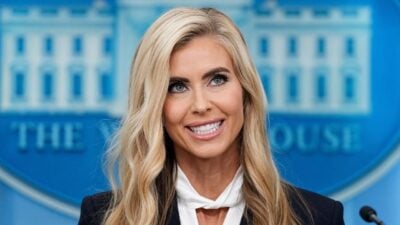
Trump Administration’s Nationwide Ban on University DEI Programs
*Since taking office in January 2025, President Donald Trump has moved aggressively to dismantle diversity, equity, and inclusion programs at universities receiving federal funds. On his first day, he signed an executive order ending “radical and wasteful” DEI programs, positions, and grants. A follow-up order the next day emphasized restoring “merit-based opportunity” and revoked prior federal DEI mandates.
Guidance from the Department of Justice (DOJ) and Department of Education in August 2025 warned universities against providing preferential treatment to any protected class. Violations could result in the loss of federal funding. The result has been swift compliance: the University of Michigan shut down its DEI office in March 2025, while the University of Arizona stripped diversity language from its website and closed related offices. More than 30 flagship universities have scaled back or eliminated DEI programs since 2021.
Exception for Jewish Students Raises Questions
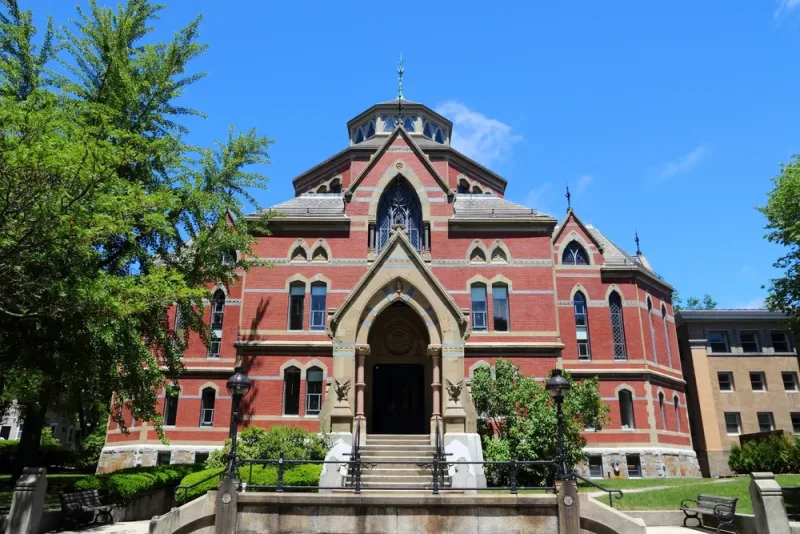
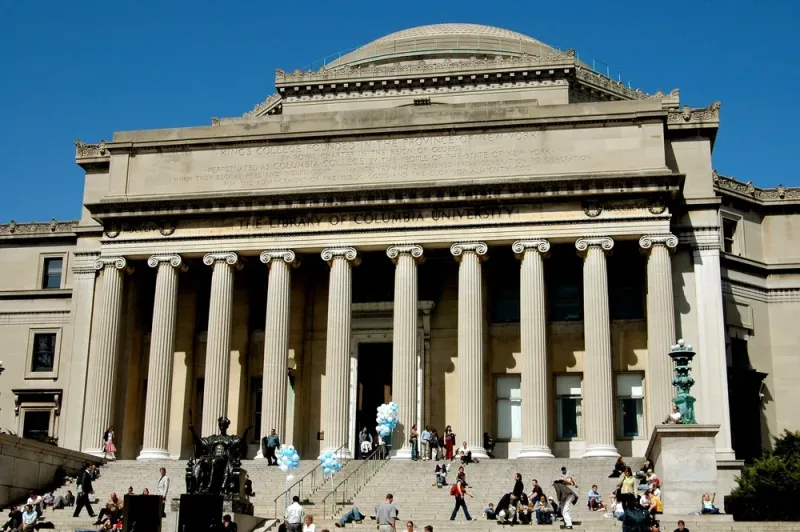
Despite the broad DEI ban, the DOJ has carved out an exception for Jewish students. On August 3, 2025, Attorney General Pam Bondi announced a settlement with Brown University requiring outreach to Jewish day schools and enhanced security for its Hillel center. A similar settlement with Columbia University mandated hiring a liaison for Jewish student support, according to a Forward report.
The administration defends these measures as responses to rising campus antisemitism, particularly after the October 2023 Hamas attacks on Israel. President Trump has praised the settlements publicly, framing them as victories against antisemitism. Provisions even include celebrating Jewish heritage, such as a 130-year anniversary event at Brown’s Hillel.
Scroll to continue reading








Legal and Ethical Debate Over Double Standards
Critics argue that offering special programs for Jewish students while banning them for other groups could violate the Constitution’s equal protection clause. Civil liberties attorney Jenin Younes and others see potential hypocrisy, while supporters like former Education Department official Kenneth Marcus view the actions as remedies for historical discrimination.
The settlements’ terms were negotiated outside the DOJ’s general DEI guidance, potentially shielding Brown and Columbia from penalties. However, this leaves other universities uncertain about whether they can offer similar programs without risking federal funding cuts.
Political Strategy and Broader Context
The DEI ban reflects a broader Republican push against diversity programs, with states like Florida and Texas passing similar laws since 2021. The exception for Jewish students has fueled speculation that the administration is using antisemitism concerns to justify dismantling broader DEI initiatives while protecting a favored group.
Reactions have been polarized. Some praise Trump for targeting what they see as divisive programs, while others denounce the carve-out as discriminatory. Higher education groups are challenging the policy in court, and early rulings suggest judges may question the constitutionality of such selective enforcement.
Why This Story Matters
The tension between a total DEI ban and targeted protections for one group highlights the complex intersection of politics, law, and campus culture. Whether the exception for Jewish students survives legal scrutiny could shape the future of university diversity policies nationwide.
As court cases proceed and more settlements emerge, universities must navigate unclear rules while balancing federal compliance with commitments to student inclusion and safety.
MORE NEWS ON EURWEB.COM: Black Students Impacted as Colleges Cut DEI Programs
We Publish Breaking News 24/7. Don’t Miss Out! Sign up for our Free daily newsletter HERE.