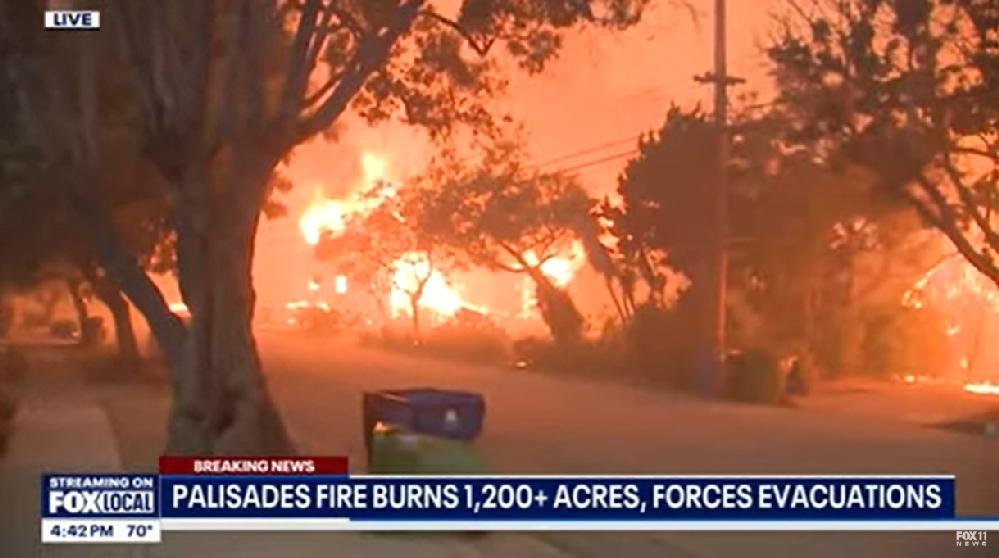
*As wildfires continued to devastate Los Angeles, first responders faced an alarming obstacle: many fire hydrants in Pacific Palisades were running dry, exacerbating the already critical situation. In internal communications revealed to the public, firefighters expressed their frustration as they reported, “The hydrants are down,” and “Water supply just dropped.”
The crisis unfolded overnight as water storage tanks in the Palisades area reportedly ran dry by 3 a.m. Wednesday, significantly compromising water flow from hydrants in higher elevations. Janisse Quiñones, the chief executive and chief engineer of the Los Angeles Department of Water and Power (DWP), explained that the city experienced “tremendous demand” on its water system due to the fires, with usage soaring to four times the normal level for 15 consecutive hours. This unprecedented demand ultimately decreased water pressure, making it difficult for firefighters to access the necessary resources to combat the raging blazes, the LA Times reported.
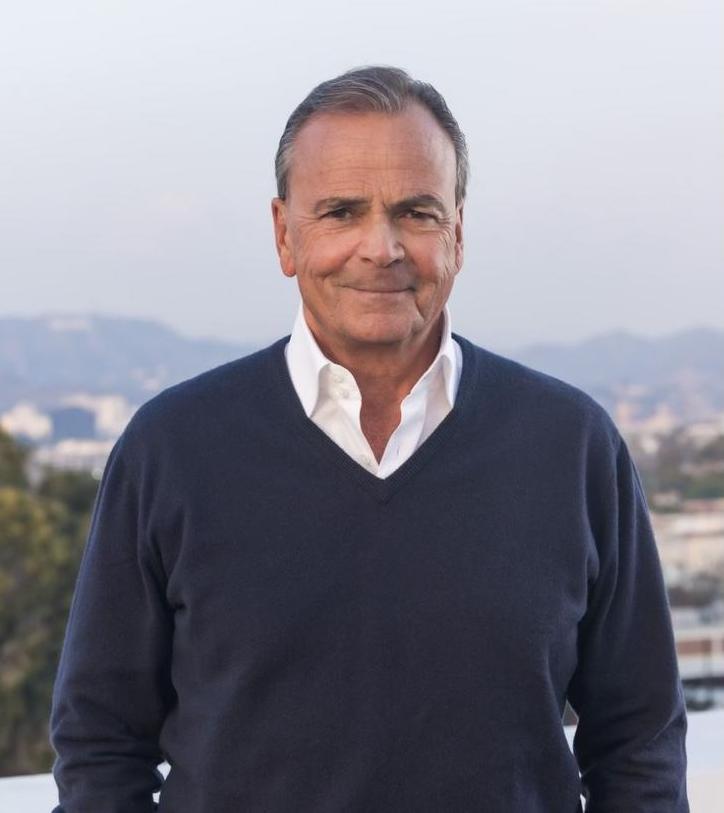
Leading the criticism, Rick Caruso, a former DWP commissioner and prominent developer, voiced his outrage over the city’s inability to provide adequate water supply during a crisis.
“There’s no water in the fire hydrants,” Caruso lamented during a series of news interviews. He drove home the urgency of the situation, stating, “We’ve got neighborhoods burning, homes burning, and businesses burning. It should never happen.”
Scroll to continue reading







Councilmember Traci Park, representing the Pacific Palisades area, echoed Caruso’s sentiments, attributing the water supply issues to “chronic under-investment in the city of Los Angeles in our public infrastructure.”
She called for immediate action to address what she deemed a systemic problem affecting public safety.
“I think we’ve got more questions than answers at this point,” Park added, stressing the need for thorough investigations into the infrastructure shortcomings that led to this predicament.
Quiñones explained that the municipal water system was ill-suited for the Palisades’ hilly terrain, causing operational logistics challenges. Reliance on three large tanks—each holding close to one million gallons—was critical for maintaining water pressure, but with all three tanks running dry in rapid succession, the firefighting efforts were severely hindered. The situation was further complicated by difficulties in accessing pump stations to refill these tanks amid the fire chaos. In a bid to support firefighting efforts, the DWP dispatched 20 water tankers to the Palisades, although they had to reload from distant locations, highlighting the strain on resources as crews fought to contain the blazes.
“We are constantly moving that water to the fire department to get them as much water as we can,” Quiñones stated, recognizing the urgency of the situation.
While this incident raises serious questions about the efficacy of Los Angeles’ water infrastructure, it isn’t the first time similar issues have arisen. A lack of water from hydrants was also reported during the Mountain fire in Ventura County in November, raising concerns about systemic mismanagement of city resources in times of crisis.
Caruso, who has experienced personal losses due to the fires—his daughter’s home was destroyed and his own home was evacuated—decried the infrastructural failures as avoidable. He argued that these deficiencies expose a larger issue within the city’s approach to disaster management and crisis preparedness.
“This is a window into a systemic problem of the city—not only of mismanagement, but our infrastructure is old,” he asserted.
As the wildfires continue their relentless advance through Los Angeles, the failures of the water supply system have become a focal point for discussions about the city’s readiness to handle such disasters. The loss of homes and property as a result of insufficient firefighting resources has prompted urgent calls for reform and investment in vital infrastructure to prevent such tragedies in the future.
MORE NEWS ON EURWEB.COM: 30th Critics Choice Awards Postponed Amid Southern California Wildfires