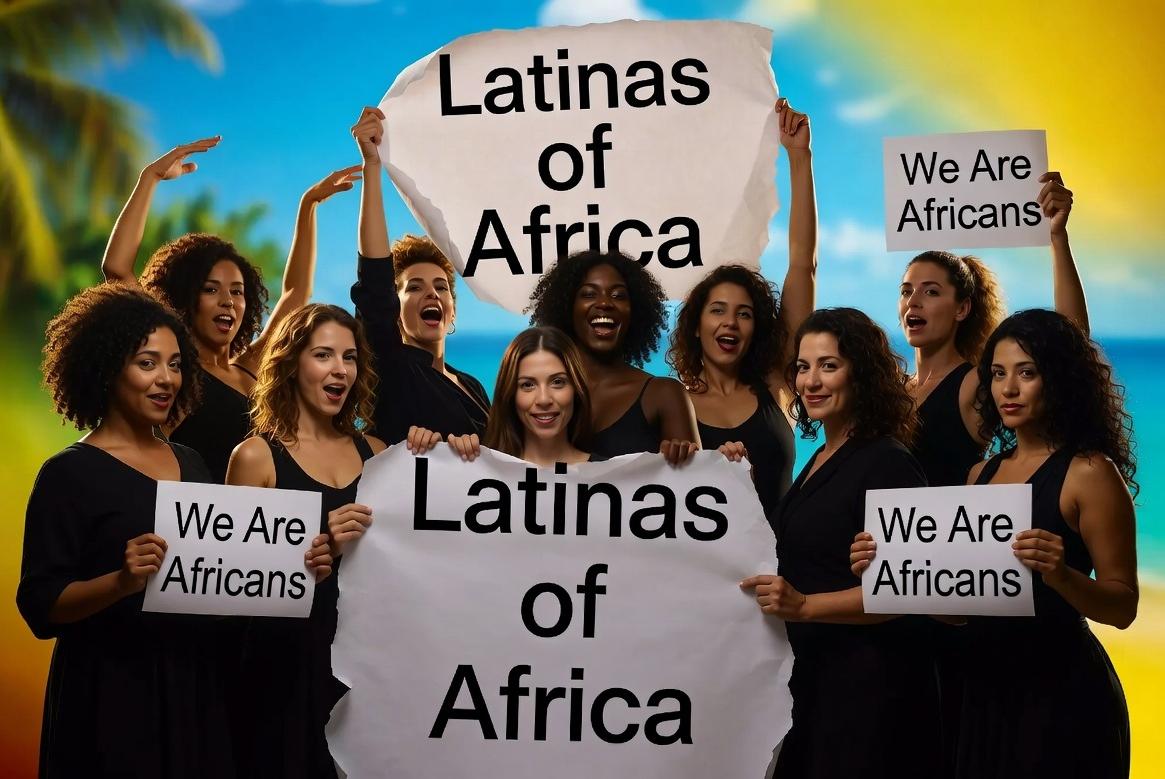
*”We are not the ‘Latinas of Africa.’ We are Africans and proud.”
That message has become a rallying cry for many Cape Verdean women pushing back against a viral social media label that gained traction as the island nation’s football team captured international attention during FIFA World Cup 2026 coverage.
What began as a celebratory conversation about Cape Verde’s performance on the global stage quickly evolved into a broader debate about identity, race and representation. For many Cape Verdeans, the issue is about far more than a nickname. It is about who gets to define African identity and how mixed-heritage African nations are perceived by the outside world.
As Cape Verde’s growing visibility introduced new audiences to the country, many residents and members of the diaspora used the moment to challenge what they see as a misleading and reductive label, reports MediaAge.
A Viral Phrase Sparks Debate
The controversy reportedly began after a Nigerian influencer referred to Cape Verdean women as the “Latinas of Africa” while celebrating the country’s football success.
Scroll to continue reading








The phrase spread rapidly across social media, drawing reactions from users across Africa and throughout the diaspora.
Critics argued that the description exoticizes Cape Verdeans and reduces a complex cultural identity to a catchy internet slogan. Others questioned why African nations are so often compared to non-African cultures rather than being recognized on their own terms.
One widely shared response summed up the frustration many felt.
“We are not the ‘Latinas of Africa.’ We are Africans and proud.”
The statement quickly became one of the defining responses to the growing debate.
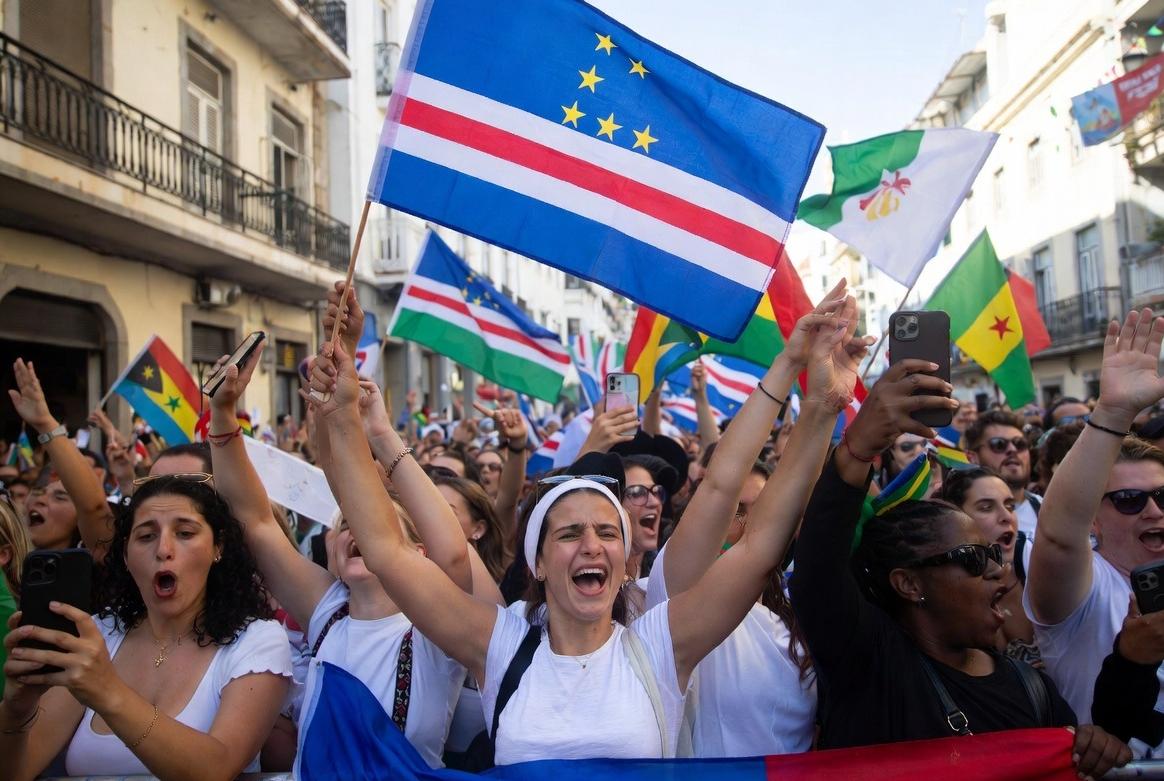
Cape Verde’s Complex Identity
Cape Verde, officially known as Cabo Verde, is an archipelago located off the coast of West Africa near Senegal.
The islands were uninhabited before Portuguese explorers arrived in the 15th century. Over time, Cape Verde became a major center of the transatlantic slave trade, creating a population shaped by both African ancestry and Portuguese colonial influence.
Today, the nation is Portuguese-speaking and known for its rich Creole culture, but it remains firmly rooted in Africa geographically, politically and historically. Cape Verde is a member of the African Union and has long identified itself as an African nation.
Its unique history has often led to confusion among outsiders unfamiliar with the country’s cultural makeup.
For many Cape Verdeans, however, there is no contradiction between embracing a mixed heritage and identifying as African.
More Than A Social Media Dispute
The conversation has also exposed deeper issues surrounding race, colorism and representation.
Many critics of the viral label argue that terms such as “Latinas of Africa” can unintentionally suggest that certain African populations are somehow separate from or less connected to the continent because of lighter skin tones, European influences or colonial histories.
That sensitivity is especially pronounced in countries shaped by centuries of migration, enslavement and cultural blending.
For many participants in the debate, the issue is not about rejecting Cape Verde’s Portuguese influences or Creole traditions. Instead, it is about rejecting the notion that African identity needs to be explained through comparisons to somewhere else.
The discussion reflects larger conversations taking place across the African diaspora about who controls cultural narratives and how communities choose to define themselves.
WORLD CUP | SHOULD WE SUPPORT CAPE VERDE, DRC, HAITI, OR CURAÇAO?
— Patrick Oyulu (@patrickoyulu) November 20, 2025
Right now this #WorldCup2026 qualifier has turned into a fully stocked bar, and I’m the confused customer at the counter. Which team should I support between Haiti, DRC, and Cape Verde?
On one shelf sits Cape… pic.twitter.com/4dUbLzUhLm
A Spotlight Beyond Football
Cape Verde’s impressive showing on the international football stage helped bring unprecedented attention to the island nation.
But while the World Cup sparked the conversation, the debate has evolved into something much larger than sports.
It has become a discussion about heritage, self-definition and the enduring impact of colonial history on modern perceptions of race and identity.
For many Cape Verdeans, the controversy has provided an opportunity to educate a global audience about their nation’s history and culture.
And while opinions may differ on social media, one message has emerged clearly from those rejecting the viral label.
For many Cape Verdeans, the debate is not about denying their mixed heritage. It is about rejecting the idea that African identity requires comparison to anything else.
For more on LA Phil’s summer line up visit: LA Phil | Home
MORE NEWS ON EURWEB.COM: Tiffany Haddish’s African Vacay Just Redefined The Girls Trip Forever | WatchTrailer
We Publish Breaking News 24/7. Don’t Miss Out! Sign up for our Free daily newsletter HERE.