A Look Back: The Dawson Family’s Fight for Peace
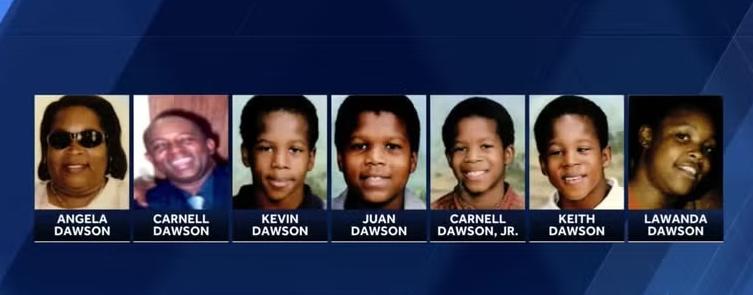
*In October 2002, the Dawson family made headlines—not for fame or fortune, but for bravery in the face of fear. Carnell Dawson Sr., Angela Dawson, and their five children lived on East Preston Street in East Baltimore’s Oliver neighborhood, a community long plagued by drugs and violence.
Angela Dawson had had enough. She reported local drug dealers to the police, hoping to protect her children and clean up her block. But in neighborhoods ruled by silence, that kind of courage came with deadly consequences.
Warnings Ignored: Harassment Before the Tragedy
Just weeks before the deadly attack, on October 3, 2002, someone firebombed the Dawsons’ home. The fire caused only minor damage, and the family escaped unhurt. Angela told police she believed local drug dealer Darrell Brooks was behind it. He was angry the family had called the cops.
Despite the warning, the Dawsons refused to leave their home. Friends later said they were determined to stand their ground for the good of their neighborhood. That strength would soon be tested in the worst way possible.
Scroll to continue reading
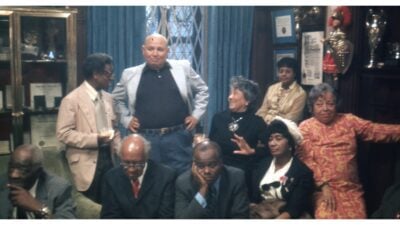
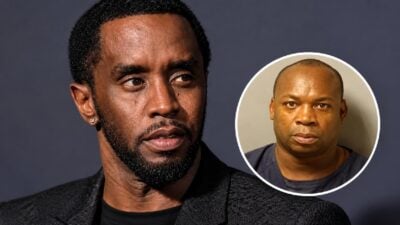




The Night of the Firebombing: October 16, 2002
At 2 a.m., a Molotov cocktail smashed through a window of the Dawson home. Within moments, flames spread through the two-story rowhouse, trapping the family inside. Firefighters rushed to the scene, but the blaze was too intense. It took 75 firefighters to bring it under control.
Angela tried to save her kids, guiding some toward a window, but the fire and smoke were overwhelming. All seven family members—Carnell Sr., Angela, LaWanda (14), Carnell Jr. (12), Juan (12), Gregory (10), and Keith (9)—died from smoke inhalation and burns.
Why They Were Targeted: The “Snitching” Stigma
The motive was clear: retaliation. Angela Dawson’s repeated calls to police made the family a target. In the eyes of Darrell Brooks and his gang, the Dawsons were “snitches”—and in the twisted code of the streets, snitching meant death.
Darrell Brooks, just 21 years old at the time, was charged with the murders. He pleaded guilty in 2003 to avoid the death penalty. Today, he serves life without parole in a Maryland prison.
The Aftermath: Mourning, Outrage, and Change
The murders shocked Baltimore and the nation. Vigils were held. Newspapers ran the family’s story for weeks. Politicians promised change, and community leaders demanded stronger witness protection programs.
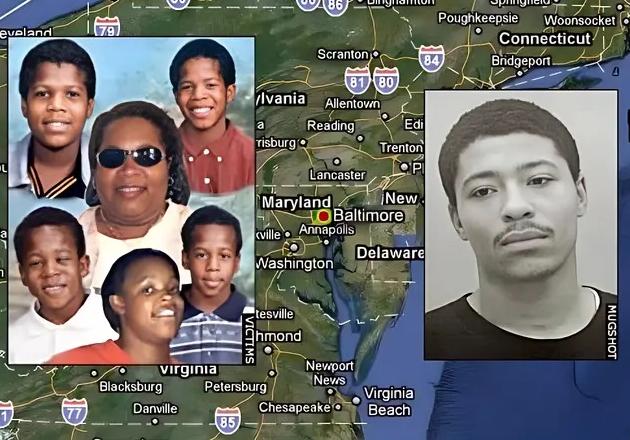
The tragedy sparked a new focus on helping residents speak out safely. But for many, the Dawsons’ deaths remain a symbol of how dangerous it can be to do the right thing in the wrong neighborhood.
The Dawson Family’s Legacy Lives On
The Dawsons did not die in vain. Their bravery left an imprint on Baltimore and the country. Angela Dawson became a symbol of courage—a mother who refused to let fear silence her.
Today, memorials, murals, and community events still honor their memory. But the questions their story raises still echo: How do we protect those who stand up? And how do we stop communities from being ruled by fear?
Why This Story Still Matters in 2025
More than 20 years later, the Dawson family murders remain one of the most devastating examples of retaliation against whistleblowers. In neighborhoods still grappling with crime, their story is a reminder of the price of courage.
The Dawsons wanted one thing: peace. They fought for it, died for it, and left behind a legacy that still urges us to protect those who speak out—and to build communities where doing the right thing doesn’t come at such a high cost.
MORE NEWS ON EURWEB.COM: Rapper Mello Buckzz’s Boyfriend and Two Best Friends Killed in Tragic Chicago Club Attack | VIDEO
We Publish Breaking News 24/7. Don’t Miss Out! Sign up for our Free daily newsletter HERE.