*Salmon is a highly nutritious fish, rich in protein, potassium, and essential vitamins such as B12 and D. It can be prepared in a variety of ways, including grilling, baking, pan-searing, and broiling. However, many people wonder whether it is safe and healthy to eat the skin.
When cooked properly, the skin can add a crispy texture and extra flavor. However, some may avoid it due to its strong fishy taste. Safety is also a consideration, as both farmed and wild salmon can be exposed to environmental contaminants. According to experts, wild-caught Pacific salmon is generally considered the safest option, as farmed salmon from the Atlantic Ocean has a higher risk of contamination.
“The decision to indulge in salmon skin boils down to personal preference and how it’s prepared,” dietitian Jess Bryan tells Southern Living. “When cooked just right, it can offer a crispiness and an extra layer of flavor to your meal. That being said, some people will probably want to forgo it due to its distinct ‘fishy’ taste.”
Salmon skin is packed with omega-3 fatty acids, vitamin D, and selenium, all of which offer health benefits. Omega-3s are known for their anti-inflammatory properties and cardiovascular benefits. Experts recommend eating wild-caught Pacific salmon as it contains higher omega-3 levels and fewer pollutants.
Scroll to continue reading









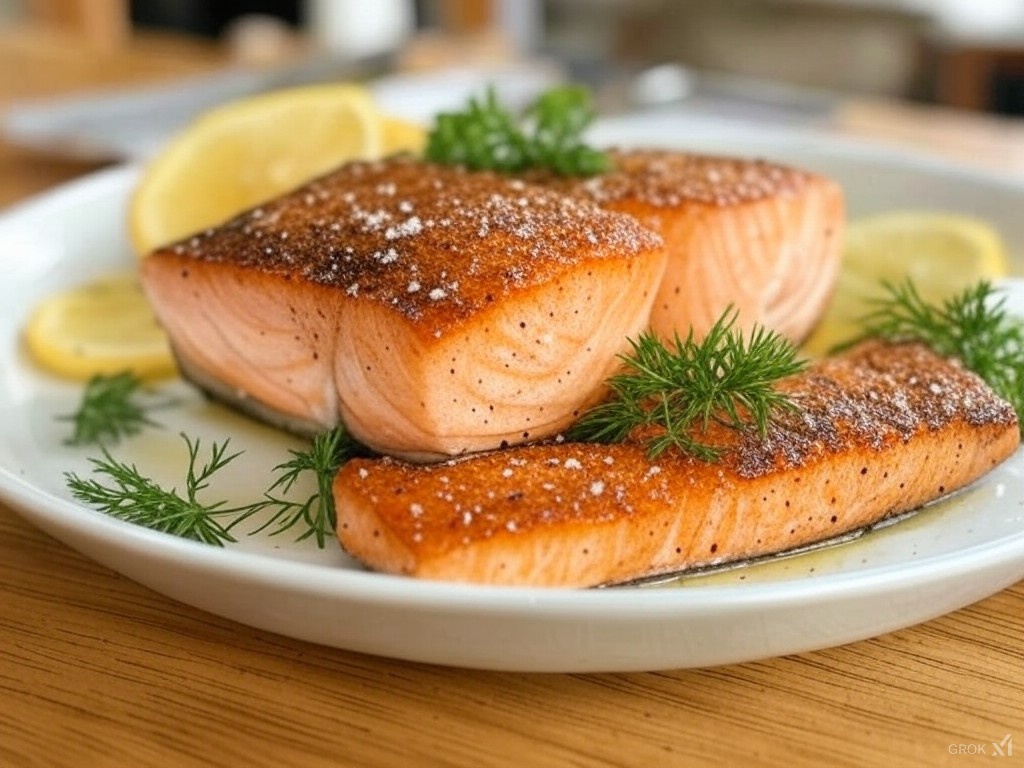
For those who choose to cook salmon with the skin, the best method is pan-searing. This involves drying the fish, scoring the skin, and seasoning it before placing it in a hot, lightly oiled pan. Cooking skin-side down for several minutes ensures crispiness before flipping to finish. However, in certain recipes, such as poaching or steaming, removing the skin is advised to avoid a rubbery texture.
To remove salmon skin, you can either pour boiling water over it, wait a few minutes, and then peel it off, or more commonly, use a chef’s knife, starting from the tail to carefully separate the skin. Alternatively, if you prefer skinless salmon, you can ask the fish market to remove it for you.
Pregnant women and individuals with fish allergies should avoid eating salmon skin due to potential mercury exposure. Health officials recommend choosing sustainably sourced salmon and trimming fish fat to reduce exposure to harmful substances like PCBs, per Southern Living.
READ MORE FROM EURWEB.COM: The Ultimate French Toast Recipe: Achieving the Perfect Texture and Flavor