*Whoo Lawd! Talk about drama. The kind we do without. And so much for Donald Trump, the great deal maker. Ukrainian President Volodymyr Zelenskyy departed the White House without securing a critical minerals deal that had been a focal point of his visit.
The interactions between Zelenskyy and President Donald Trump were marked by tension and accusations, leading to an outcome far from the anticipated signing ceremony. The day began with high hopes but quickly descended into public discord, illustrating the complicated nature of U.S.- Ukraine relations.
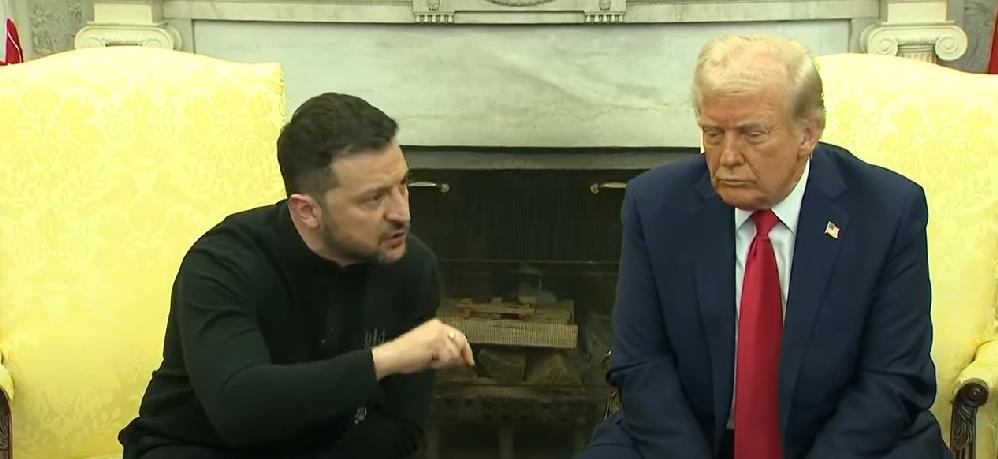
Zelenskyy had traveled to Washington to finalize an agreement that would grant the United States access to Ukraine’s valuable rare earth and critical minerals—a deal seen as essential for both nations amid rising geopolitical tensions. However, during discussions, Trump became visibly agitated, accusing the Ukrainian leader of being “disrespectful” and “ungrateful” for the substantial support the U.S. has provided to Ukraine amid its ongoing conflict with Russia. “You’re not acting at all thankful,” Trump remarked, emphasizing the need for a change in attitude ahead of any potential deal.
The meeting escalated in intensity as Trump declared that Zelenskyy was “gambling with World War III,” a reference to the stakes involved in the ongoing conflict between Ukraine and Russia. The President’s harsh tone led to an unprecedented moment in which a foreign leader, particularly one engaged in a wartime struggle, found himself publicly chastised by the U.S. President. The confrontation was marked by raised voices and palpable tension, demonstrating an unexpected departure from the diplomatic norms typically observed during such high-stakes meetings.
Scroll to continue reading








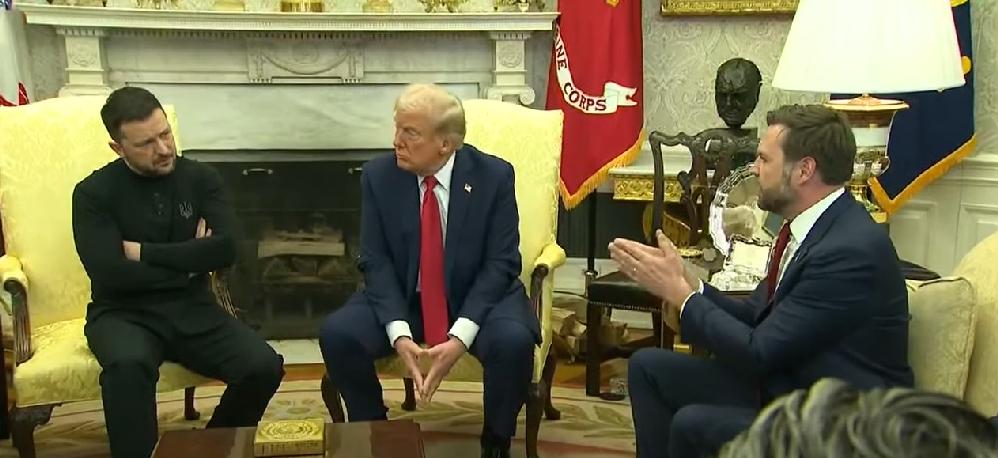
Vice President Vance further fueled the tension by accusing Zelenskyy of using the forum to “litigate” his grievances in front of the media.
“Have you ever been to Ukraine? Have you seen the problems we have? Come once,” Zelenskyy responded, expressing frustration at the lack of understanding of the Ukrainian plight from their American counterparts. His words underscored the desperation and urgency in his country’s situation, contrasting sharply with what he perceived as a dismissive attitude from U.S. officials.
As the exchange continued, the atmosphere soured further. Vance demanded gratitude from Zelenskyy, insisting that he express appreciation for the U.S. support that had flowed to Ukraine.
“Offer some words of appreciation for the United States of America and the president who’s trying to save your country, please,” he said, reflecting a deep-rooted skepticism towards continued aid amid criticisms in certain political circles about the effectiveness of U.S. assistance overseas.
The interactions revealed an uncomfortable reality in American foreign policy, particularly under the Trump administration. For years, Trump had voiced open skepticism about the benefits of U.S. involvement in Ukraine and had even referred to Zelenskyy as a “dictator” prior to this visit. The culmination of his frictions with Ukraine came to a head in the Oval Office, where the world watched in disbelief as a critical international discussion unraveled into a public scolding.
As the planned signing ceremony fell apart, lunch preparations—only half-executed with untouched salad plates being packed up—symbolized not just a failed agreement but also a demonstration of the profound changes in U.S. foreign policy advocacy since Trump and Vance assumed office. The meeting had commenced with Trump reflecting on his legacy, stating, “I hope I’m going to be remembered as a peacemaker.” But his frustrated remarks toward Zelenskyy painted a starkly different picture.
The fallout from this meeting raised alarms internationally. European leaders, who have been urging Trump to recognize the gravity of Russia’s encroachments and the precarious situation in Ukraine, observed the fallout with trepidation. The implications of the scolding session suggested that the pathway to peace might be harder to navigate than previously thought, further complicating the humanitarian and political crises facing the region.
Notably, the tensions on display highlighted the ideological rifts within the U.S. administration, particularly painted by Vice President Vance’s past criticisms of Ukraine aid. His role became pivotal during a time of increasing scrutiny over U.S. foreign policy and its alignment with Ukrainian interests. Vance’s accusations and Trump’s frustrations reflected deeper issues within the fabric of American support—issues tied to party lines and ideological beliefs on foreign intervention and aid.
As the meeting concluded without the anticipated signature, the ongoing struggle for Ukraine suggested that diplomatic engagements would require not just agreements but also mutual respect and understanding—qualities that were notably absent during the heated exchange. The alarming shift in U.S.-Ukraine relations post-meeting serves as a reminder of the fragile nature of alliances and the complex dynamics involved in international diplomacy.
The now-exploded meeting stands as a chapter in the evolving relationship between the United States and Ukraine, showcasing the urgent need to balance political ambitions with the realities of wartime struggles faced in Eastern Europe. In the wake of this incident, it remains to be seen how future engagements between the two nations will unfold and what implications will arise from this moment of discord.
US President Trump and Vice President Vance get in a heated argument with Ukrainian President Zelensky !
Trump taking class of this clown ?
“Your country is in big trouble. You’re not winning this” pic.twitter.com/YJaEEnYiDE
— Sachin ( Modi Ka Parivar ) (@SM_8009) February 28, 2025
MORE NEWS ON EURWEB.COM: Congresswoman Jasmine Crockett Criticizes Trump’s Approval Rating | Video
Sign up for our FREE newsletter HERE.