Trump Uses F-Word While Slamming Ceasefire Violations
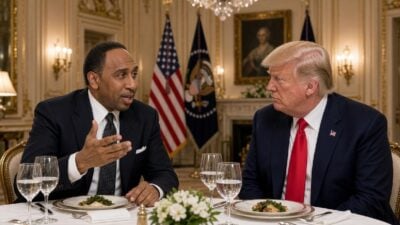
Earlier today, President Donald Trump shocked reporters by using the f-word on live camera. He was talking about Israel and Iran breaking a ceasefire agreement he had just brokered.
Speaking on the White House lawn before leaving for a NATO summit, Trump said, “They don’t know what the f*** they’re doing.” The moment spread quickly across news outlets and social media.
This rare use of such language by a sitting U.S. president sparked strong reactions.
Some called it bold, while others were outraged or amused.

Scroll to continue reading








Social Media Divided Over Trump’s Outburst
Online platforms like X (formerly Twitter) exploded after Trump’s outburst went viral. Users were quick to share their thoughts, many divided in their opinions.
Some praised Trump’s bluntness as “real leadership,” while others felt it was undiplomatic. CNN even issued an apology for airing the unedited remark live.
This wasn’t the first time Trump used coarse language publicly. However, doing so in the middle of a global crisis raised eyebrows worldwide.
Ceasefire Aims and Timeline Between Israel and Iran
The ceasefire was announced by President Trump on June 23, 2025, to end 12 days of fighting. The conflict had started on June 13 with Israeli strikes on Iran.
The truce was meant to be phased. Iran was supposed to stop attacks first, followed by Israel. The plan was for the war to fully stop by June 25 at midnight ET.
But almost immediately, both sides accused each other of breaking the agreement. The situation became tense within hours of the truce beginning.
Iran Launches Missile Barrages Despite Ceasefire
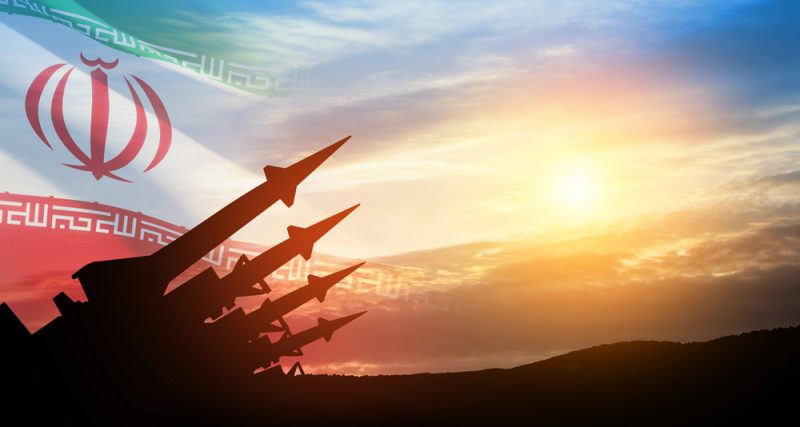
According to Israel, Iran fired several waves of missiles, even minutes after the truce started. One major attack killed four people in Beersheba.
The Israeli military said that 20 missiles were launched in a single wave. Homes were hit, and several people were injured in the chaos.
Iran’s government denied the attacks broke the truce. They said all operations stopped by 4 a.m. Tehran time, before the ceasefire deadline.
Israel Responds With Targeted Strikes in Iran
Israel admitted to hitting a radar site near Tehran in response to Iran’s missile launches. They claimed it was a limited strike.
Earlier, just before the ceasefire, Israel launched major airstrikes in Tehran. Targets included a nuclear scientist and missile sites.
Iranian sources said nine people died in those strikes, including civilians. Israel said it was wrapping up pre-ceasefire operations.
Trump Pressures Both Nations to Respect Truce
Trump’s frustration boiled over as both nations defied the peace deal. He pushed Israel to stop further strikes during a private call with Netanyahu.
He blamed both countries equally, calling their actions reckless. Trump’s direct tone surprised even seasoned diplomats.
Eventually, Israel agreed to halt further action after bombing the radar site. Trump’s intervention played a key role in cooling tensions.
Both Nations Blame Each Other for Violations
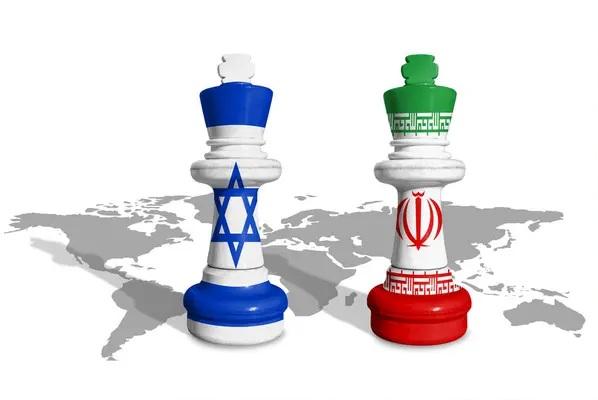
Iran and Israel each claimed the other was the first to break the ceasefire. The blame game made it hard to know who truly started the violations.
Israel’s Defense Minister ordered a strong response. Meanwhile, Iran said it would honor the truce if Israel stopped its strikes.
The back-and-forth accusations only made the ceasefire feel even more fragile and uncertain.
Ceasefire Begins to Hold—For Now
By the evening of June 24, both nations seemed to ease off. Israel lifted restrictions on public events, signaling calm.
Iran also said it was willing to talk—if Israel followed the agreement. Leaders on both sides suggested the truce might finally stick.
Despite the rough start, peace efforts looked to be gaining ground by late June 24, with international help pushing both sides to stop.
Casualties from the 12-Day Conflict Revealed
The brief war was deadly, especially in Iran. Reports showed between 606 and 974 people were killed by Israeli strikes.
Israel also suffered, though less heavily. At least 28 people were killed by Iranian missile attacks, including during the ceasefire period.
The violence underscored the high human cost of even short-lived clashes in the region.
Time Zone Confusion Clouds Ceasefire Start
One major issue was unclear timing. Trump’s ceasefire announcement didn’t specify an exact time, leading to confusion.
Iran is 30 minutes ahead of Israel and 7 hours ahead of Eastern Time. This time gap caused disputes over when the ceasefire officially began.
With no firm start time, both sides claimed their attacks happened before the truce started, creating more doubt and distrust.
Why Trump’s Ceasefire Comment Matters Now
Trump’s use of harsh language highlighted the frustration surrounding the ceasefire failures. It showed how fragile peace in the Middle East still is.
His role as a broker made his voice powerful, but the chaos that followed raised questions about the truce’s strength.
With regional mediators like Qatar stepping in, and the International Atomic Energy Agency urging talks, diplomacy may yet bring longer peace.
MORE NEWS ON EURWEB.COM: Kamala Harris Eyes California Governor Bid in 2026 Amid Mixed Reactions | VIDEO
We Publish Breaking News 24/7. Don’t Miss Out! Sign up for our Free daily newsletter HERE.