*A growing number of rap artists are demanding Supreme Court intervention in a death penalty case where a man’s own creative writing was turned against him at sentencing. According to Pitchfork, among those stepping forward are Travis Scott, Young Thug, and Killer Mike, all of whom have submitted legal briefs ahead of the condemned man’s April 30 execution date.
James Garfield Broadnax, a Black man who was 19 at the time of the offense, was found guilty by a predominantly white Texas jury in 2009 for two fatalities stemming from a robbery in the Garland area. While his lyrics played no role in establishing guilt, the sentencing phase took a different turn. Prosecutors brought forward 40 handwritten pages of his rap writing, material the jury examined on two separate occasions before ultimately recommending death rather than a lifetime prison term.
Scott’s March 9 filing takes direct aim at that prosecutorial strategy. “The prosecutors argued Mr. Broadnax was likely to be dangerous in the future simply because he engaged in ‘gangster rap,'” the brief states. “Such an argument functionally operates as a categorical and straightforwardly unconstitutional content-based penalty on rap music as a form of expression.” The filing calls on the justices to draw a clear constitutional line around the use of artistic work as proof of criminal tendency.
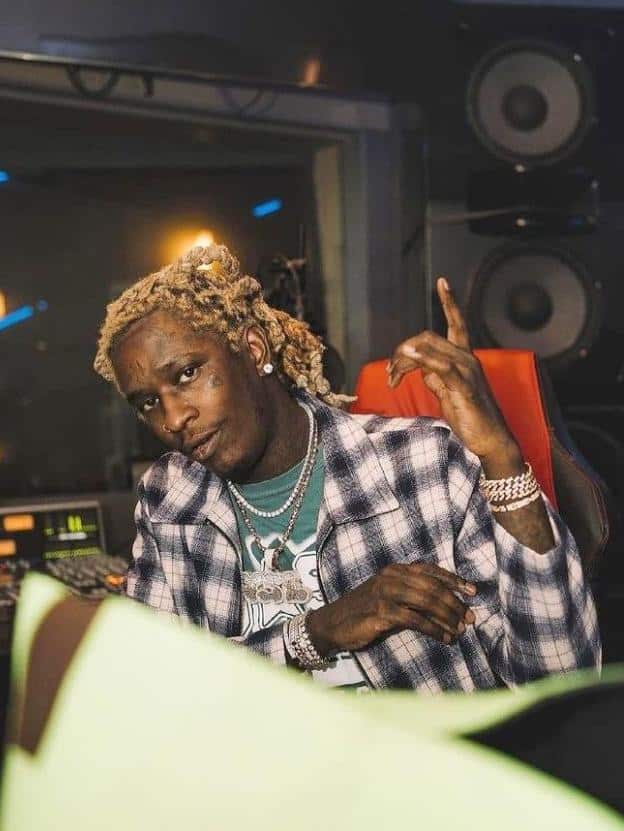
A concurrent brief from Killer Mike and fellow artists raised a pointed objection to the lyrics being introduced at all. “This case exemplifies the racial prejudice that infects a criminal proceeding when the State uses a defendant’s rap lyrics to capitalize on anti-rap bias, the misinterpretation of rap lyrics, and anti-Black bias triggered by rap music,” the document states.
Scroll to continue reading

In February, Broadnax’s attorneys submitted a Writ of Certiorari, formally requesting that the Supreme Court review and overturn the lower court’s ruling. The question of whether rap lyrics belong in a courtroom has sparked legislative responses across the country. Both New York and California adopted laws in 2022 placing guardrails on how prosecutors may use creative expression as evidence.
At the federal level, the Restoring Artistic Protection Act, commonly known as the RAP Act, was reintroduced in Congress in 2023 but has not yet been signed into law. The legislation seeks to prevent artists’ creative work from being used against them as evidence in criminal and civil court proceedings.
MORE NEWS ON EURWEB.COM: Brian McKnight Sues Urban One and Rickey Smiley Morning Show Over Abuse Claims
Sign up for our Free daily newsletter HERE