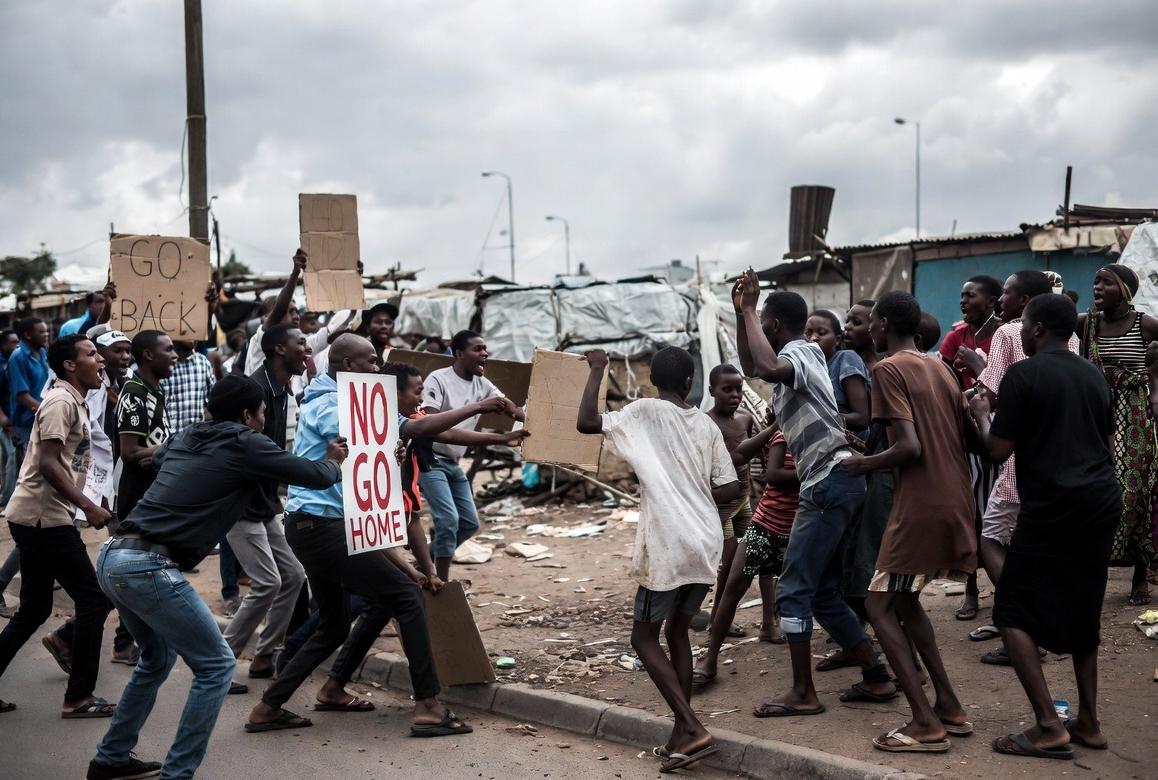
*“Leave now—or leave in a coffin.” That reported threat, aimed at a Malawian migrant living in South Africa, captures the fear spreading through communities as anti-migrant tensions intensify.
But the deeper story isn’t simply about immigration.
It is about what happens when economic pain is redirected toward people who are themselves struggling to survive.
Who benefits when struggling Black communities begin seeing one another as the enemy?
South Africa is under enormous strain.
Scroll to continue reading








The country’s unemployment rate rose to 32.7% during the first quarter of 2026, while youth unemployment climbed to 45.8%, according to Statistics South Africa. Those numbers are not abstract. They represent households with no steady income, young people aging into despair, families squeezed by housing shortages, and communities still waiting for the economic transformation many hoped would follow the end of apartheid.
That frustration is real.
But frustration alone does not explain who becomes the target.
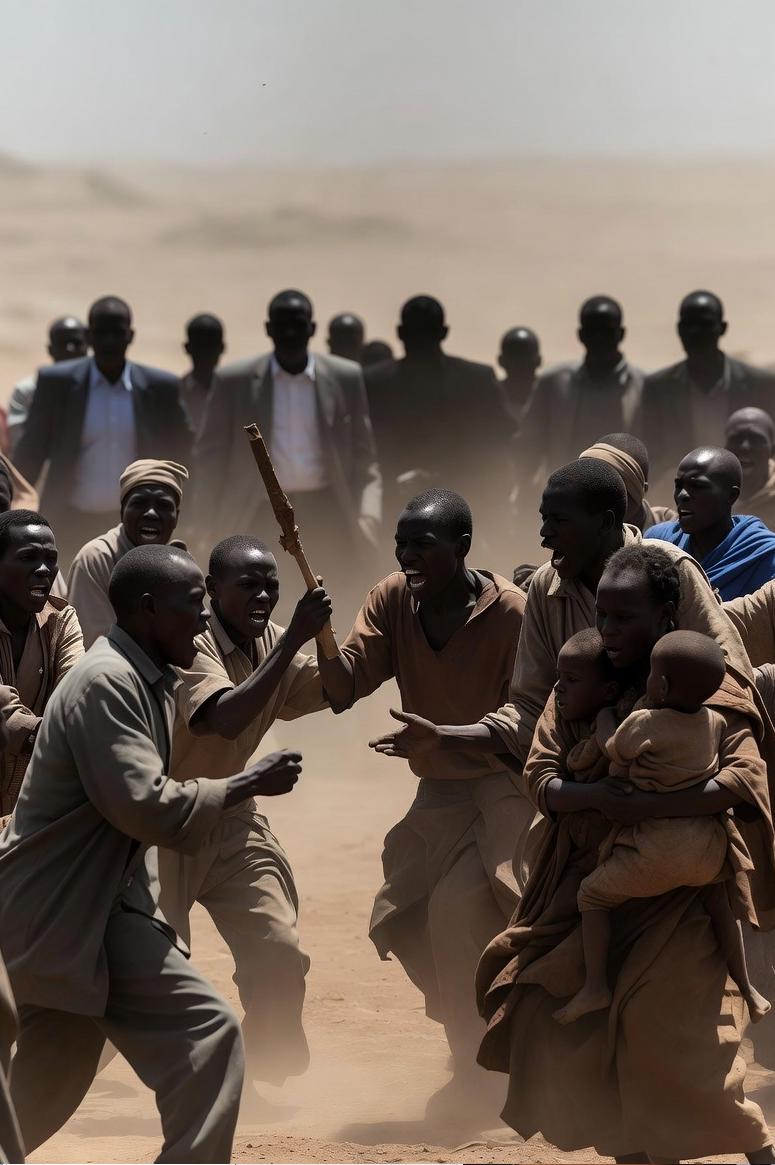
When Poverty Looks for Someone to Blame
Throughout history, periods of economic uncertainty have often produced a familiar pattern.
The names of the groups change. The countries change. The politics change. The mechanics of scapegoating often do not.
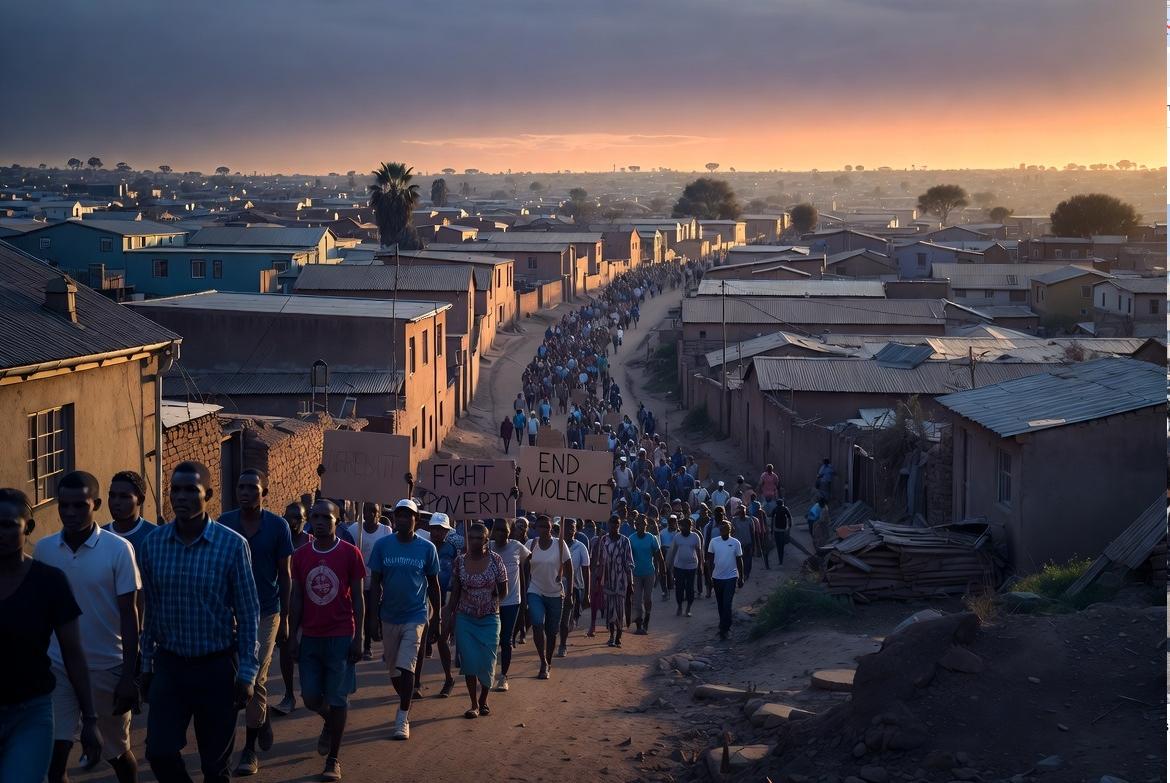
Across South Africa, anti-immigration marches and vigilante pressure have targeted migrants accused of taking jobs, straining public services and contributing to crime. Organizers insist they are focused on undocumented immigration, while human rights organizations and journalists have documented growing fear among foreign nationals, including legal migrants and asylum seekers.
There is a legitimate conversation to be had about border security, labor laws, documentation and public services.
But there is also a dangerous line between demanding immigration enforcement and treating vulnerable people as disposable.
That line is crossed when threats replace policy, when mobs replace courts, and when poor workers are encouraged to see other poor workers as the enemy.
The Wrong Target
President Cyril Ramaphosa has acknowledged that undocumented immigration must be addressed while also warning against violence and against turning migrants into scapegoats for South Africa’s deeper economic problems.
That distinction matters.
Immigration policy and xenophobia are not the same thing. A nation has every right to enforce its immigration laws. It also has a responsibility to ensure that enforcement never becomes an excuse for intimidation or collective blame.
If employers knowingly exploit undocumented workers by paying lower wages, then the issue is not only the migrant worker. It is also the employer who profits from vulnerability.
That is where the conversation becomes uncomfortable.
The person cleaning the house, guarding the gate, selling goods or simply working to survive is rarely the person who designed the economy.
Yet that person often becomes the easiest target.
A Familiar and Deadly Cycle
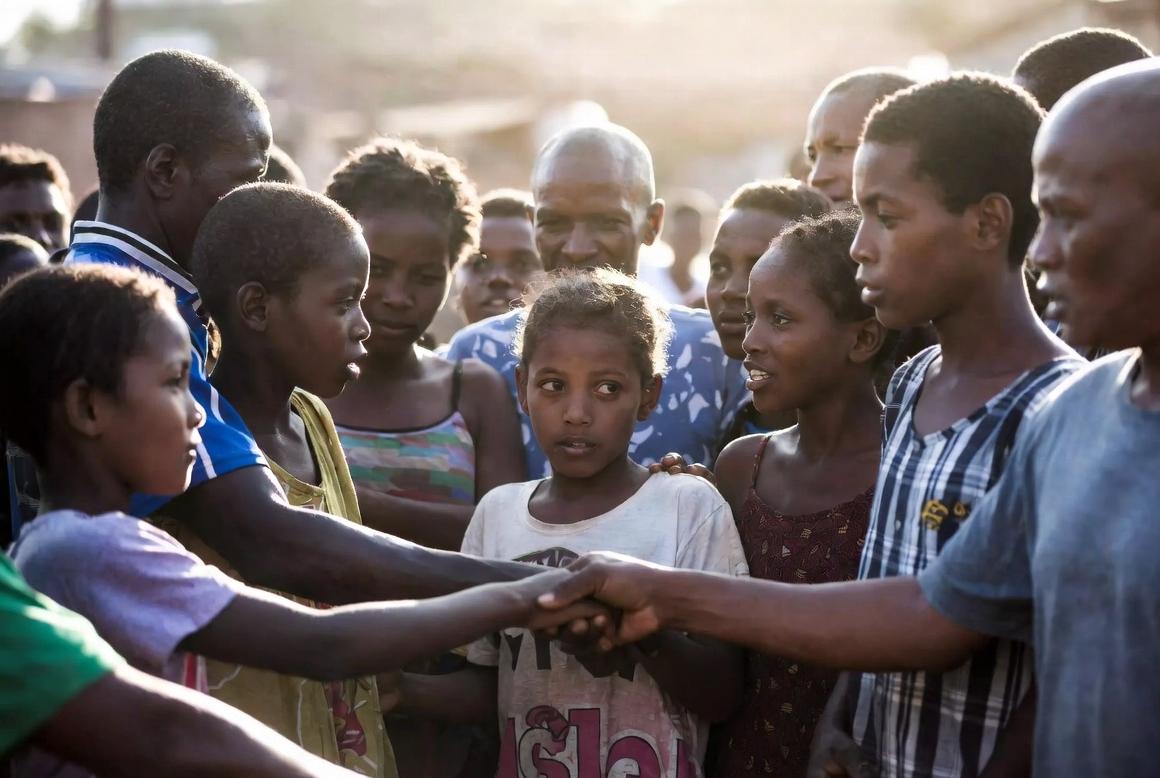
South Africa has experienced recurring outbreaks of xenophobic violence for years. Researchers have linked those episodes to a combination of economic hardship, political rhetoric, weak governance and what some scholars describe as “violence entrepreneurship.”
That phrase deserves attention.
Violence rarely appears out of nowhere. It can be organized, encouraged, excused, redirected and politically useful.
When people are desperate, anger becomes easy to recruit—and fear becomes an effective political tool.
Who Benefits?
So the question remains:
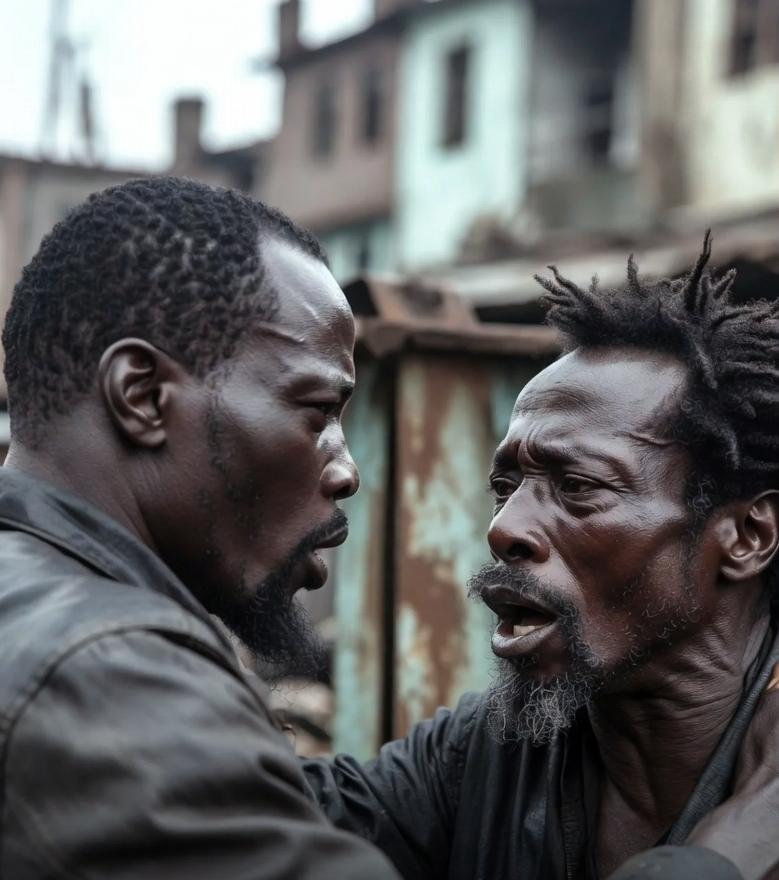
Who benefits when struggling Black communities turn against each other?
Certainly not the unemployed South African still searching for work.
Not the migrant forced to flee with little more than a suitcase.
Not the township family watching another cycle of violence deepen instability.
The beneficiaries are often harder to identify. In many societies, exploitative employers, political actors and entrenched systems can escape greater scrutiny when public anger is redirected toward people with even less power. That doesn’t explain every instance of anti-migrant sentiment, but history suggests it is a pattern worth examining.
That observation does not remove individual responsibility.
Violence is a choice.
Xenophobia is a choice.
But the conditions that make division so combustible rarely develop overnight.
More Than an Immigration Debate
None of this diminishes a nation’s right to secure its borders or enforce its immigration laws. Those are legitimate responsibilities of every sovereign government.
The question raised by South Africa’s current crisis is not whether immigration policy matters.
It is whether violence and scapegoating ultimately solve the problems people say they are trying to address.
South Africa’s migrant crisis is ultimately about more than borders.
It is about what happens when hope becomes scarce.
It is about whether economic suffering produces solidarity or suspicion.
It is about whether people who share similar struggles can recognize one another’s humanity before they are persuaded to fight over what little remains.
Every country has difficult immigration debates.
No country benefits when those debates become an excuse for intimidation or mob violence.
The greater danger is not simply that migrants will be driven away.
It is that the deeper systems shaping poverty, unemployment and inequality remain exactly where they were—untouched, unnamed and largely unchallenged.
Perhaps that is the most important question raised by South Africa’s latest crisis:
When people who share the same struggles begin seeing one another as the enemy, who is left to confront the systems that shaped those struggles in the first place?
Reporting Credit
This analysis draws on publicly available reporting and data, including reporting by CNN, Reuters, AP, Human Rights Watch, Statistics South Africa, and statements from the South African government. Readers interested in comprehensive on-the-ground reporting about the recent unrest are encouraged to review the original reporting from those organizations.
(If You Like/Appreciate This EURweb Story, Please SHARE it!)
MORE NEWS ON EURWEB.COM: Another Oval Office Ambush: Trump Plays Controversial ‘White Genocide’ Video During South Africa’s President Meeting | WATCH
We Publish Breaking News 24/7. Don’t Miss Out! Sign up for our Free daily newsletter HERE.