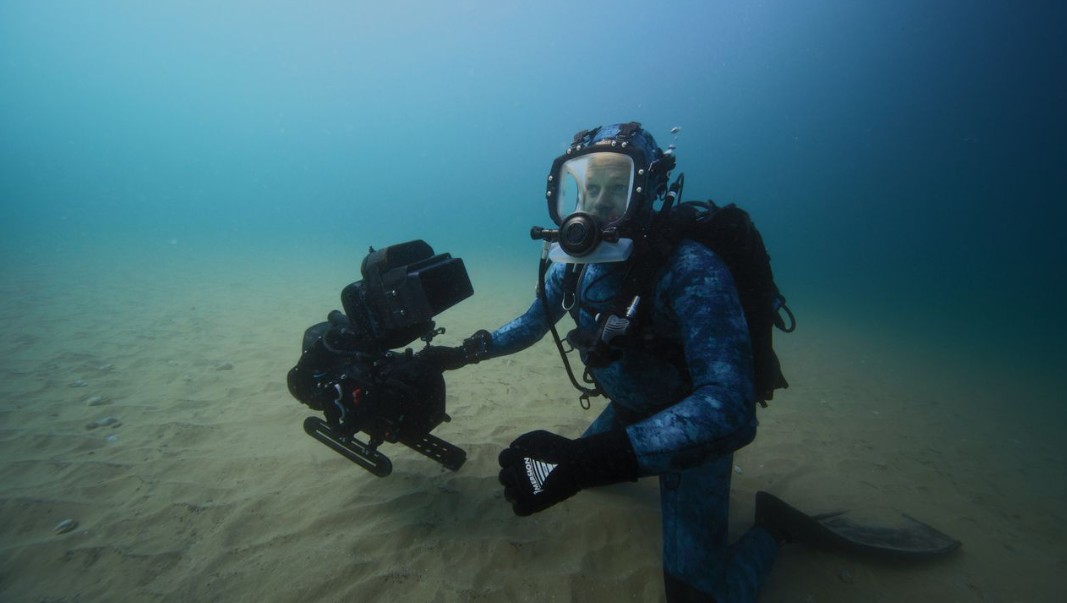
*National Geographic’s SHARKFEST returns for its wildest season yet, delivering over 25 hours of heart-pounding encounters and cutting-edge science.
The event kicks off with “Sharks Up Close with Bertie Gregory,” which follows Emmy- and BAFTA-winning cinematographer Bertie Gregory as he dives cage-free into South Africa’s waters to film great white sharks. The SHARKFEST lineup continues with “Investigation Shark Attack,” a forensic look at shark behavior that dissects encounters to understand what drives these apex predators.
Cinematographer Dan Beecham, who worked on “Sharks Up Close,” emphasizes that safety is always the top concern. “Safety is priority number one. We need certain diving conditions. We need certain visibility. We need nice, calm seas. We have a safety diver with us,” he says. Still, the mission is to capture “awesome images to kind of make people fall in love with sharks.”
He notes that South Africa’s waters can provide rare, ideal conditions where “the right visibility, the right sea state, the right light and the right animals in a nice chilled behavior” align, creating “wonderful spectacles” that feel like “a gift.”
Marine biologist Candace Fields, featured in “Investigation Shark Attack,” underscores the ecological importance of great whites. “With a top predator like the white shark, they have a variety of roles, many of which, in terms of ecologically, we still have a lot of questions that need to be answered,” she explains.
Scroll to continue reading




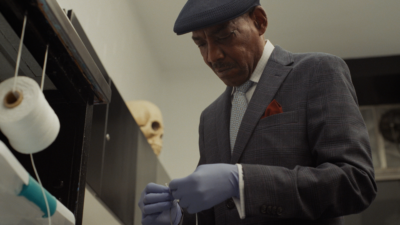




Fields also stresses the importance of maintaining “healthy populations of fish, sharks of different species” to preserve ocean balance, adding that humans entering the water must respect the shark’s natural domain.
Filming in the distinct waters of South Africa, Beecham relied on drones and remote cameras to track elusive sharks. “We ended up using technology in a way that we didn’t initially think we would. And the drones specifically are pretty important for that,” he says, noting that aerial views help spot sharks against the sandy sea floor and enhance overall safety.
Fields echoes this sentiment, pointing out that tools like drones and GoPros are essential for conducting “observational work with cameras” to gather research data without disturbing threatened species. Both experts highlight the power of blending science with storytelling to reshape public perception.
“It’s an imperative pair,” Fields says, explaining that scientific findings are often inaccessible to everyday audiences. Programs like SHARKFEST, she adds, “package it up in a more digestible way,” making it easier for people to care about sharks and their conservation.
Beecham agrees: “We as cinematographers lean on the science so much for the understanding of these animals,” emphasizing the critical role researchers like Fields play in shaping their visual narratives.
Ultimately, both hope viewers come away with a deeper appreciation for sharks and their role in our changing oceans.
“Sharks are a part of our changing world, and the oceans are changing,” Beecham says, stressing the need for systems that support coexistence. Fields agrees, emphasizing that “sharks are older than trees. They’ve been around for 400 million plus years.”
She sees hope in the growing awareness, especially among diverse, younger scientists, that humans are entering shark territory and must learn to coexist respectfully.
Nat Geo’s SHARKFEST lineup — including “Super Shark Highway,” “Jaws @ 50: The Definitive Inside Story,” “Sharks of the North” (premiering July 12 at 10/9c), and “Shark Quest: Hunt for the Apex Predator” (airing July 13 at 9/8c) — continues to spotlight shark behavior and conservation. Each title streams the following day on Disney+ and Hulu. Through stunning visuals and science, SHARKFEST invites viewers to rethink their relationship with these ancient predators.
Watch our conversation with Dan and Candace below.
MORE NEWS ON EURWEB.COM: ‘Dexter: Resurrection’ Brings Michael C. Hall Back for a Thrilling New Chapter | EUR Video Exclusive
Sign up for our Free daily newsletter HERE.