*The controversy surrounding Democratic Senate candidate Graham Platner may be about more than one candidate’s political future. According to author and political analyst Earl Ofari Hutchinson, it reflects a fundamental shift in American politics in which character, ethics, and personal conduct no longer carry the weight they once did with voters.
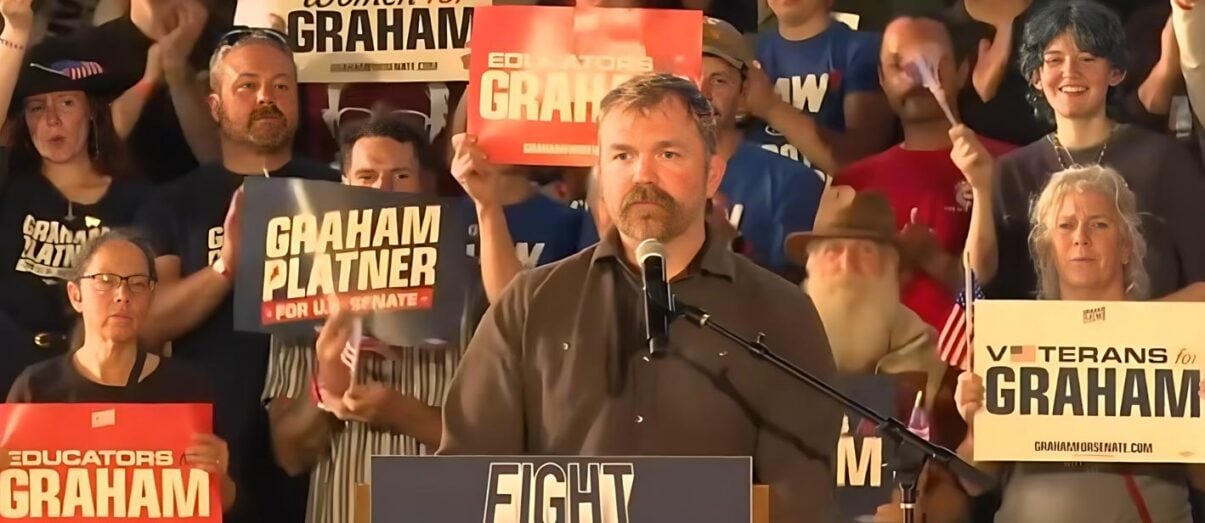
Platner, who is seeking a U.S. Senate seat in Maine, has faced a series of controversies, including reports that he exchanged sexually explicit text messages with multiple women while married. He has also drawn criticism over past comments viewed as offensive toward Black people and scrutiny surrounding a tattoo he later acknowledged was a widely recognized Nazi symbol, reports Axios.
Despite those issues, Platner remains politically competitive and continues to receive support from many Democrats who view the Maine race as critical to their party’s efforts to regain Senate control.
The situation has sparked debate within Democratic circles. While supporters argue that winning a key Senate seat is paramount, critics contend that overlooking repeated controversies undermines the party’s longstanding emphasis on character and accountability.
The End of the Old Political Rules
Author and political analyst Earl Ofari Hutchinson, who has long written about politics, race and social issues, believes Platner’s continued viability reflects a much larger transformation in American politics that began during the Trump era. In his view, voters are increasingly prioritizing partisan loyalty over traditional concerns about character and conduct.
Scroll to continue reading
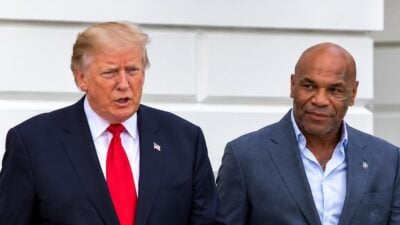








“Trump’s two-time win for the presidency blasted apart the old notion about character, ethics and principles being the absolute requisite gold standards for electability,” TheHutchinsonReport.net founder told EURweb.
For decades, major scandals involving personal behavior, racial controversy or ethical lapses were widely viewed as potential campaign-ending events. Hutchinson believes that standard no longer applies in today’s deeply polarized political climate.
“The country is so politically and ideologically polarized now that a large swatch of voters vote – not on issues and character – but solely on whether the candidate mouths the most incendiary racist, sexist, and homophobic sentiments,” he revealed.
The result, according to Hutchinson, is a political environment where controversy often matters less than party loyalty.
“Politics unfortunately, has indeed descended in far too many cases as a result to the gutter,” he said. “Platner fits in with the times.”
Accountability on Race Still Matters
While some Democrats have focused on the importance of winning a pivotal Senate race, Hutchinson argues that concerns involving race cannot be dismissed as secondary political issues.
Platner’s past comments about Black people have remained part of the conversation surrounding his candidacy, prompting questions about how much weight voters should place on those controversies when control of the Senate is at stake.
Hutchinson said political leaders and voters alike have an obligation to challenge racial bigotry regardless of party affiliation.
“Democrats AND fair-minded Republicans who believe that race baiting has no place in American politics and must be strongly condemned and challenged must continue to call out bigotry and bigots at every turn,” he said.
He warned that failing to confront such behavior carries consequences.
“Failure to do this, amounts to a tacit aid and abet of bigotry, and emboldens a political candidate to incite the mob.”
His comments highlight a growing dilemma facing both political parties: whether electoral goals should ever outweigh concerns about racial rhetoric and accountability.
Why Scandal No Longer Sticks
The debate surrounding Platner also raises a larger question about the role of scandal in modern politics.
In previous eras, allegations involving personal misconduct, financial wrongdoing or inflammatory rhetoric often severely damaged candidates. Today, voters appear increasingly willing to separate personal controversy from political objectives.
Hutchinson believes Trump’s political success accelerated that shift.
“Again, Trump blew to smithereens the notion that a scandal be it sexual, financial, or racist pandering would automatically disqualify a would-be candidate,” he reminded.
Rather than viewing controversy as politically fatal, many candidates now operate with the expectation that loyal supporters will remain with them despite negative headlines.
What It Means Going Forward
For Hutchinson, Platner’s situation is not an isolated case but part of a broader transformation in American politics.
If voters continue prioritizing partisan victories over traditional measures of character and conduct, candidates from both parties may feel increasingly insulated from the consequences of scandal.
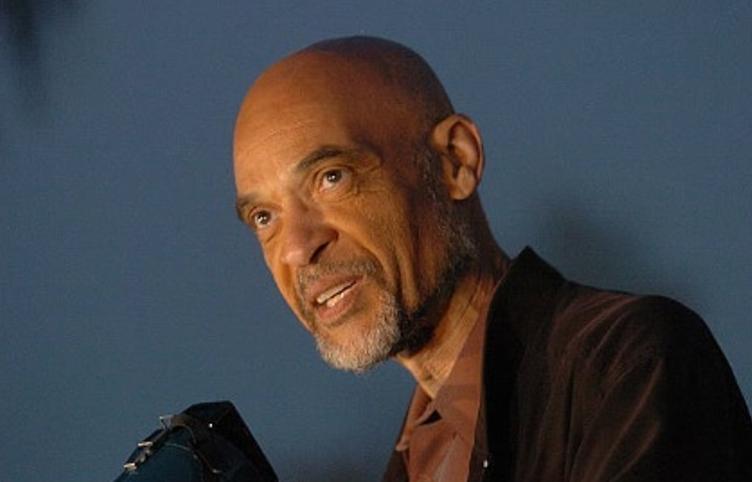
“And in the Trump Era where many folk expect and even revel in a candidate’s scandals, expect more brash, bold, and unfortunately detrimental talk and acts by some candidates with the full expectation they’ll get a pass from many voters,” Hutchinson told us.
As Democrats and Republicans battle for power in an increasingly polarized nation, the debate surrounding Platner may offer another glimpse into a political landscape where scandal is no longer automatically disqualifying. If Hutchinson is right, the standards that once defined political accountability have been fundamentally rewritten—and many voters have accepted that new reality.
(If You Like/Appreciate This EURweb Story, Please SHARE it!)
MORE NEWS ON EURWEB.COM: Malia Obama Keeps Parents Away From Film Career
We Publish Breaking News 24/7. Don’t Miss Out! Sign up for our Free daily newsletter HERE.