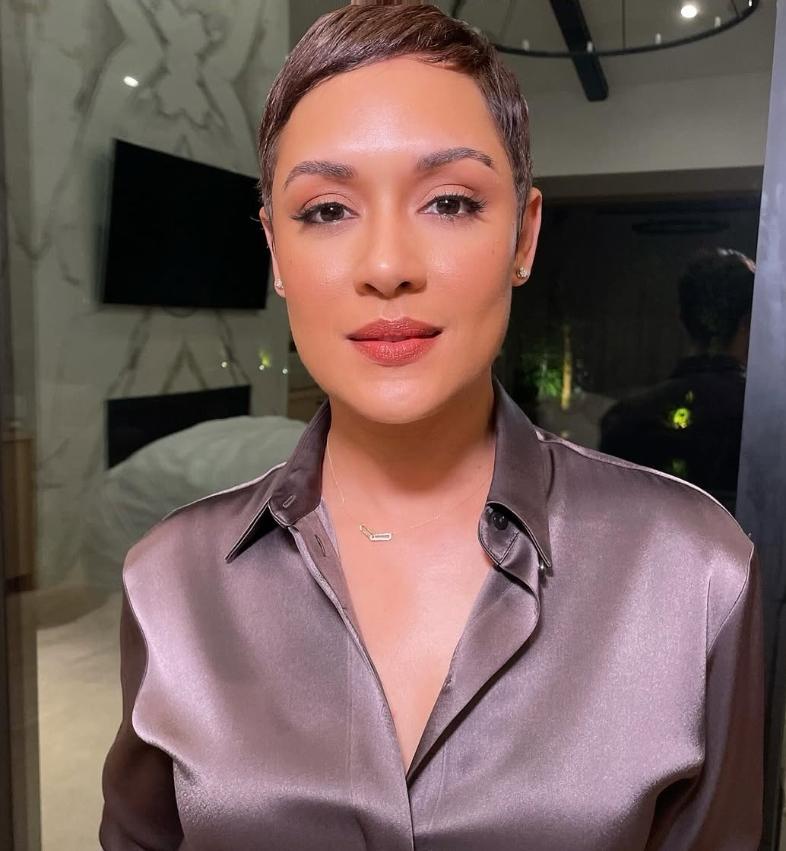
*As “Harlem“ wraps up its final season, the Prime Video series continues to provide some of the most dynamic and relatable portrayals of friendship, self-discovery, and mental health among Black women on television. Quinn (Grace Byers) and Angie (Shoniqua Shandai) – two of the best friends in this group – who, while often opposites, have experienced some of the show’s most impactful growth.
In an interview with EUR, Byers and Shandai reflected on their characters’ evolution, the power of female friendship, and the importance of addressing mental health in the Black community.
When Harlem began, Quinn and Angie seemed like polar opposites—Quinn, the polished and privileged entrepreneur; Angie, the free-spirited artist struggling to find her big break. But as the series progressed, their paths began to mirror each other in unexpected ways.
Byers reflected on how their arcs have shifted over the seasons.
“It’s really kind of lovely because you see Quinn and Angie in their respective spaces, but over time, they start to switch in certain ways,” she explained. “In the beginning, Angie wasn’t in a committed relationship and was just dating around, while Quinn was chasing that ideal love. By season three, Quinn starts off swearing off men and focusing on herself, while Angie finds herself in a committed relationship. They’re evolving, changing, and allowing their idea of who they are to shift.”
Scroll to continue reading








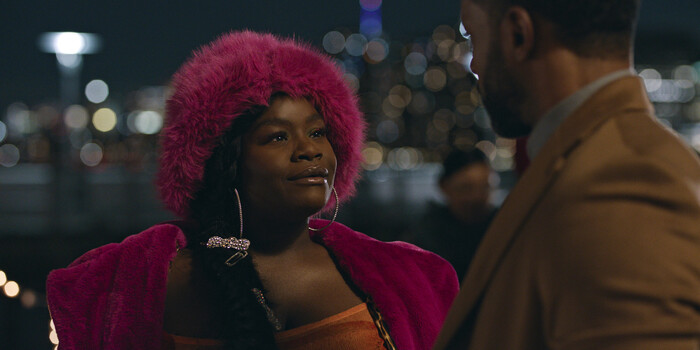
For Shandai, the challenge of playing Angie was finding the moments that connected her to Quinn.
“One of my favorite things when I first got the role was figuring out how I can show the similarities between Quinn and Angie?” she revealed. “They share clothing, and even though they seem like opposites, there are so many small moments where you see them reflect each other. Watching them switch roles this season was gratifying—it felt like a natural story evolution.”
Beyond their individual growth, Harlem’s final season showcases Quinn and Angie learning to hold space for one another in new ways.
“There were moments when Angie brushed aside Quinn’s pain because she assumed, ‘Well, you have money, so your problems don’t matter,’” Shandai explained.
She added: “But when Quinn finally broke down and said, ‘I need you to take me seriously,’ it was a wake-up call. Angie had to mature to sustain their friendship.”
One of the most powerful aspects of Quinn’s journey in Harlem has been the show’s portrayal of mental health, particularly in the Black community. Byers shared that this was the storyline she connected to most.
“For me, the most important topic was Quinn’s depression,” she revealed. “It’s deeply important to speak about mental health, especially in Black communities. We’ve made so much progress in discussing physical health, but mental health is just as critical—if not more.”
Her personal experience made this storyline even more profound.
“After I gave birth, I was diagnosed with severe postpartum depression,” Byers shared. “So I really felt that storyline on another level. I wasn’t aware that depression could manifest in so many ways—not just sadness but fatigue, overwhelm, and even moments of complete detachment. Through Quinn, I learned things I hadn’t even realized about my own experience.”
View this post on Instagram
Byers hopes that by highlighting Quinn’s struggles on-screen, more people will feel seen and encouraged to seek help.
“I’m grateful that Harlem represented it in such a real way because it’s time we normalize these conversations.”
New episodes of “Harlem” are streaming on Prime Video.

Jill Munroe is a Los Angeles-bred entertainment journalist, producer, and host. You can follow her on all social media @StilettoJill or check out JillMunroe.com
RELATED NEWS ON EURWEB.COM: ‘Harlem’ Cast Hopes Fans Will Be Satisfied with the Series’ Final Conclusion