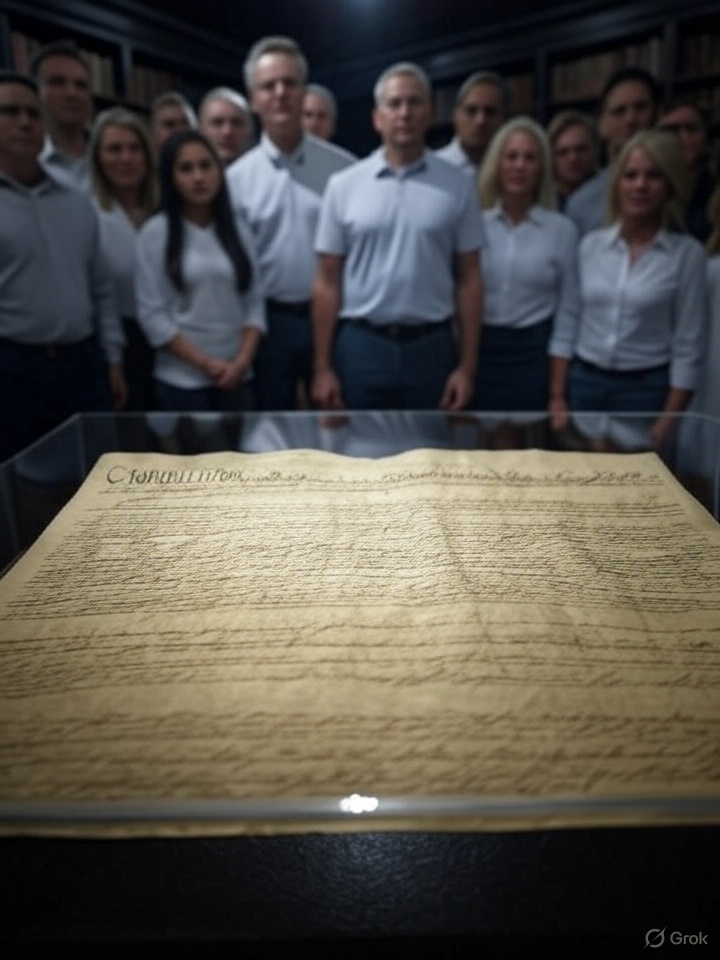
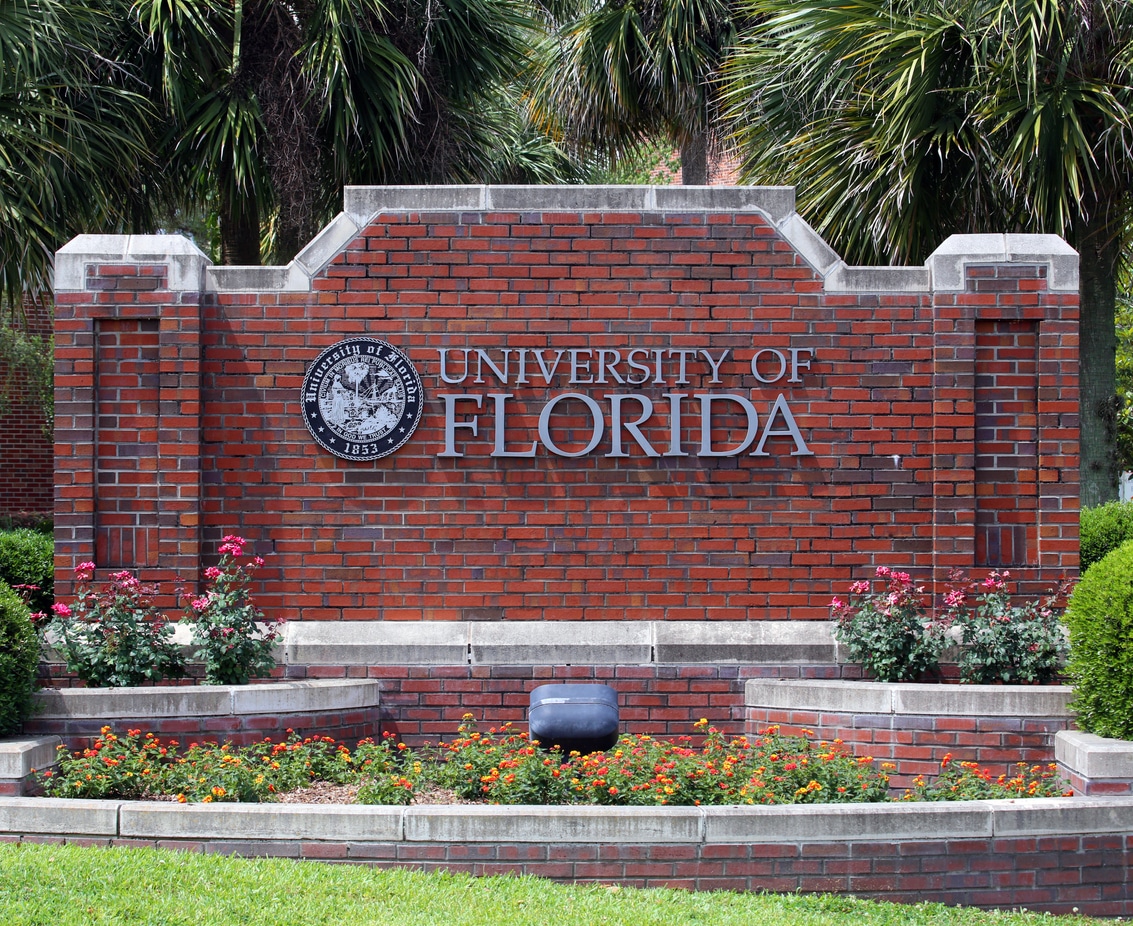
*A University of Florida law student, Preston Damsky, is at the center of a growing controversy after being awarded for a paper claiming the U.S. Constitution’s preamble, “We the People,” applies exclusively to white individuals.
According to The Huffington Post, the essay argued that non-white people were never intended to have voting rights under the Constitution. It was written for a course on originalism, taught by Judge John L. Badalamenti, a Trump-appointed federal judge, who honored Damsky with a “book award” for the submission.
The incident drew wider attention after Damsky was suspended in March, following a series of inflammatory social media posts. As reported by The New York Times, he wrote that Jews should be “abolished by any means necessary,” labeled former President Trump and Senator Marco Rubio as being “controlled by Jews,” and suggested Guatemalan undocumented immigrants be “done away with by any means necessary.” His online remarks led to his suspension and a campus ban.
Concerns about Damsky were raised even before the award. A separate essay he wrote in the fall, advocating the exclusion of non-white people from voting and proposing a decade-long deadline for their removal from the U.S., circulated among students and faculty, prompting alarm.
Internal emails later showed that students expressed fear for their safety after Damsky’s antisemitic posts. At an April town hall, interim law school dean Merritt McAlister responded by affirming the school’s stance on open discourse. “The college isn’t going to express a viewpoint on any particular student speech,” she stated, urging community dialogue instead.
Scroll to continue reading





“Our job as a community is to have dialogue and discussion and debate on these issues, and let the marketplace of ideas drown out a particularly odious idea,” McAlister added.
In a statement to The New York Times, Damsky defended himself, saying, “You know, I’m not, like, a psychopathic ax murderer,” and claimed no ties to extremist groups.
The incident has sparked debate over academic freedom, institutional accountability, and the limits of free speech, with many questioning how a paper promoting such divisive views earned recognition in the first place.
MORE NEWS ON EURWEB.COM: Ahead of Juneteenth, Congressional Lawmakers Again Seek to Remove Exception for (Still Legal) Slavery from US Constitution | VIDEOs
Sign up for our Free daily newsletter HERE.