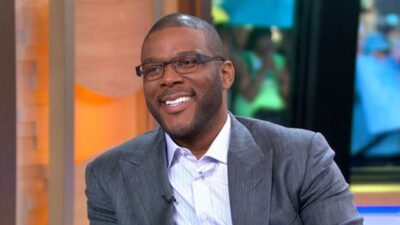
*In a profoundly candid interview with podcaster Anton Daniels, R&B singer/songwriter Brian McKnight delivered what may be the most brutally honest account of marriage, divorce, and fractured fatherhood ever shared by a public figure. Titled “Men, Don’t Make the Mistakes I’ve Made,” the conversation revealed painful truths McKnight had kept private for decades, speaking with the vulnerability of a man who believes he has nothing left to lose.
McKnight’s story is a decades-long saga that traces his journey from a loveless marriage born of religious obligation to finding authentic love later in life—and the devastating family consequences that followed. His narrative serves as a stark cautionary tale and a master class in the long-term repercussions of choices made in youth.
A Marriage Built on Duty, Not Desire
The foundation of McKnight’s troubles was laid at the age of 20. Fresh out of college with a computer science degree and a newly signed record deal, his girlfriend Julie became pregnant. What should have been a moment of choice became one of obligation.
“I was never in love with their mother,” McKnight stated with startling directness. “They (his sons with Julie) weren’t made from love to begin with.”

Scroll to continue reading







Raised in a strict 7th Day Adventist household, McKnight understood the consequences of having children out of wedlock. The church, their families, and societal expectations all pointed toward one solution: marriage. He chose the path of least resistance and highest obligation, a decision that would define the next two decades of his life.
The pattern of their relationship established itself immediately. McKnight moved to California to pursue his burgeoning music career while his wife and young son remained with her parents. He became a weekend father and part-time husband, a geographical distance that mirrored the emotional chasm defining their union.
Thirteen Years of Perseverance Without Passion
Despite the absence of a romantic foundation, McKnight and his first wife maintained their marriage for over a decade. Their relationship was punctuated by four separations, the first occurring just two years in. Each reconciliation came not from renewed love, but from a shared commitment to providing their two sons with stability.
“The decision to stay together was largely due to the children, despite not being in love, to provide a stable environment for them,” McKnight explained. It was a noble intention that extracted a heavy personal toll. Their conversations became clinical, focused solely on logistics and child-rearing rather than intimacy or shared dreams.
The marriage finally crumbled in 2003, but not before establishing patterns that would haunt McKnight for years. He had learned to compartmentalize love and duty, to prioritize obligation over authentic emotion—lessons that would later complicate his relationships with his sons.

The Financial and Emotional Cost of Failed Love
When the marriage officially ended, McKnight faced stark financial consequences from his youthful decisions. The divorce settlement was substantial, with $18,000 monthly in combined spousal and child support: $8,000 for his ex-wife and $5,000 for each of his sons. Additionally, he surrendered a percentage of the songs he had written during their marriage—intellectual property that would generate income for decades.
“The divorce resulted in giving up a percentage of the songs written during the marriage, which was a difficult loss,” McKnight admitted. During the initial three years of separation before the divorce was finalized, he was paying an even steeper $25,000 monthly—$300,000 annually.
Single Fatherhood and the Challenge of Raising “Rock Star Sons”
Following the divorce, McKnight embraced single parenthood with characteristic intensity. His sons came to live with him, and he integrated them into his professional world, taking them on tour and exposing them to the music industry. While this created an extraordinary childhood, it came with unique challenges.
The sons lived with their father, who took them on tour and introduced them to the music industry, but they started to get out of control with parties and girlfriends living in the house, McKnight recounted. The rock star lifestyle that seemed glamorous from the outside proved difficult to manage for teenagers with unlimited access and minimal boundaries.
As his sons matured, McKnight found himself in the paradoxical position of providing everything while teaching responsibility. He gave them an apartment and paid their expenses for a year to help establish independence, but they struggled with adult obligations. Eventually, he made the difficult decision to establish firm boundaries—a choice that would have far-reaching consequences.
The Transformation: Finding Authentic Love
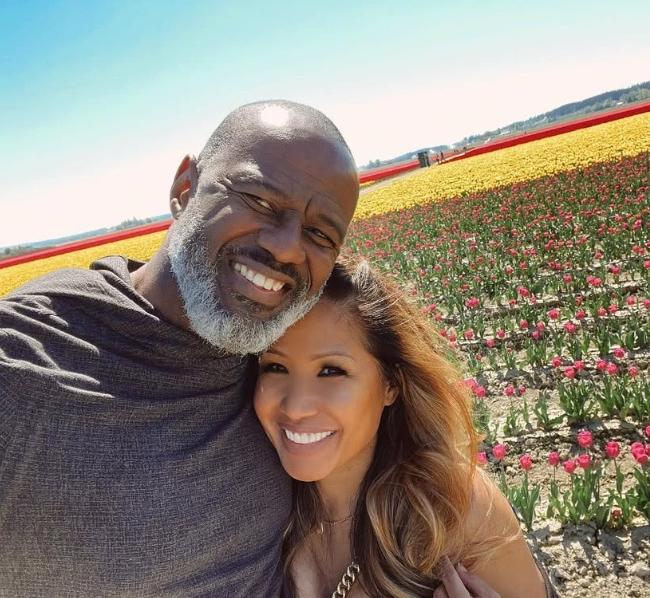
McKnight’s understanding of love underwent a complete transformation in 2012 when he met his current wife, Leilani, at a fitness convention. After years of obligation-based relationships, he finally understood what genuine romantic love could be. He wishes he were a virgin when they met, and he feels like everything he thought about love is true, and every cliche is true, McKnight revealed.
They married in 2017, and their relationship represents everything his first marriage lacked: mutual respect, genuine affection, and joy in each other’s presence. With Leilani, McKnight experienced fatherhood as he had always imagined it should be when they welcomed their son, Brian McKnight Jr.—planned, wanted, and conceived in love.
When Love Changes Everything—And Everyone Turns Away
Initially, McKnight’s adult sons embraced his transformation. They served as his best men in his wedding to Leilani, with one son declaring, “Now we’re a family.” However, the family dynamic shifted dramatically after the wedding. McKnight’s evolution from a man trapped in obligation to someone capable of deep romantic love challenged long-held narratives about his character.
The narrative about McKnight was that he wasn’t capable of loving somebody or being a faithful husband, but this changed when he got remarried. The transformation that should have been celebrated instead became a source of resentment.
The Ultimate Heartbreak and Public Battle
Tragedy struck when McKnight’s younger son passed away from colon cancer. McKnight believes his son’s death could have been prevented with earlier medical intervention, alleging that information about his son’s condition was withheld from him. The loss devastated McKnight, but it also became weaponized in public discourse, with false narratives suggesting he had abandoned his children.
The situation escalated when McKnight’s ex-wife Julie published a book that he claims contains numerous false statements about their relationship and his character. This prompted a defamation lawsuit that ultimately resulted in an $8 million judgment in his favor. “The book is filled with lies and has caused me harm, and people should do their research before judging the situation,” McKnight stated firmly.

Hard-Earned Wisdom for the Next Generation
As his conversation with Daniels concluded, McKnight shifted from confession to counsel. His advice carries the weight of decades of costly mistakes and hard-won wisdom.
“Men should not consider getting married or having children until they are financially responsible and mature,” McKnight stated emphatically. “It is recommended that men wait until they meet the right person and are ready for a long-term commitment before having children.”
This isn’t abstract advice—it’s guidance forged in the fires of personal experience. McKnight lived the consequences of marrying too young, of choosing obligation over authentic connection, of building a family on duty rather than love.
“The importance of being mentally prepared and worthy of a partner” was emphasized by McKnight. He thought he was ready for marriage and fatherhood because he could financially support a family. He learned, painfully, that financial capability is just one component of readiness for lifelong commitment.
Legacy and the Price of Truth
McKnight’s story serves as a powerful reminder of how decisions made in youth can reverberate for decades. His relationship with his surviving son remains fractured, perhaps permanently. The public accusations, legal battles, and competing narratives have created wounds that may never fully heal.
Yet he doesn’t express regret for telling his truth. “A judgment of $8 million was ruled in favor, but it’s not about the money; it’s about the damage done to the family,” he explained. The legal victory vindicated his version of events, but it couldn’t restore the relationships lost in the process.
Throughout his conversation, McKnight grapples with the challenge of truth-telling in an era that often prioritizes entertainment over accuracy.
“Many people are not interested in the truth and instead focus on entertainment, often preferring salacious narratives over factual information,” he observed.
His current life with Leilani and their young son represents the redemption arc of his personal story. Having finally experienced what love-based partnership looks like, McKnight can speak with authority about the difference between relationships built on duty versus those founded on genuine connection.
“Having a child with Lelani was a planned and exciting experience, unlike previous relationships,” he shared. The contrast between his first experience of fatherhood—driven by obligation—and his current experience as a father to Brian Jr.—born from love—illuminates just how different his life could have been with different choices.
In the end, Brian McKnight’s conversation stands as a testament to the power of truth-telling and the possibility of redemption, even when the cost of honesty includes relationships that seemed irreparable. It’s a story that needed to be told, mistakes that needed to be shared, and wisdom that needed to be passed on.
His final message resonates long after the interview ends: some mistakes take decades to undo, but authentic love—when you finally find it—makes every hard lesson worth learning.
For the men listening, McKnight’s warning is clear: don’t make the mistakes he made. Wait for real love. Understand the lifelong implications of marriage and parenthood. Choose authenticity over obligation. Because, as Brian McKnight learned painfully over decades, the difference between duty and love is everything.
(If You Like/Appreciate This EURweb Story, Please SHARE it!)
MORE NEWS ON EURWEB.COM: Ray J Claims Dr. Umar Confronted Him Over Sukihana | WATCH
Sign up for our Free daily newsletter HERE.