‘We Told You So’: Black Men Reflect on Trump Regret
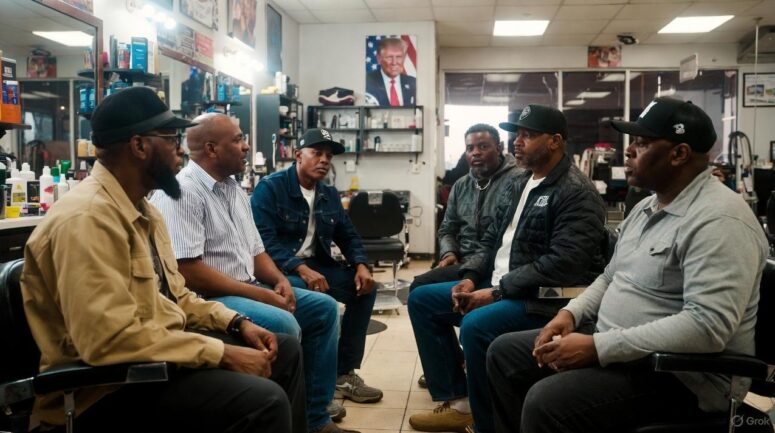
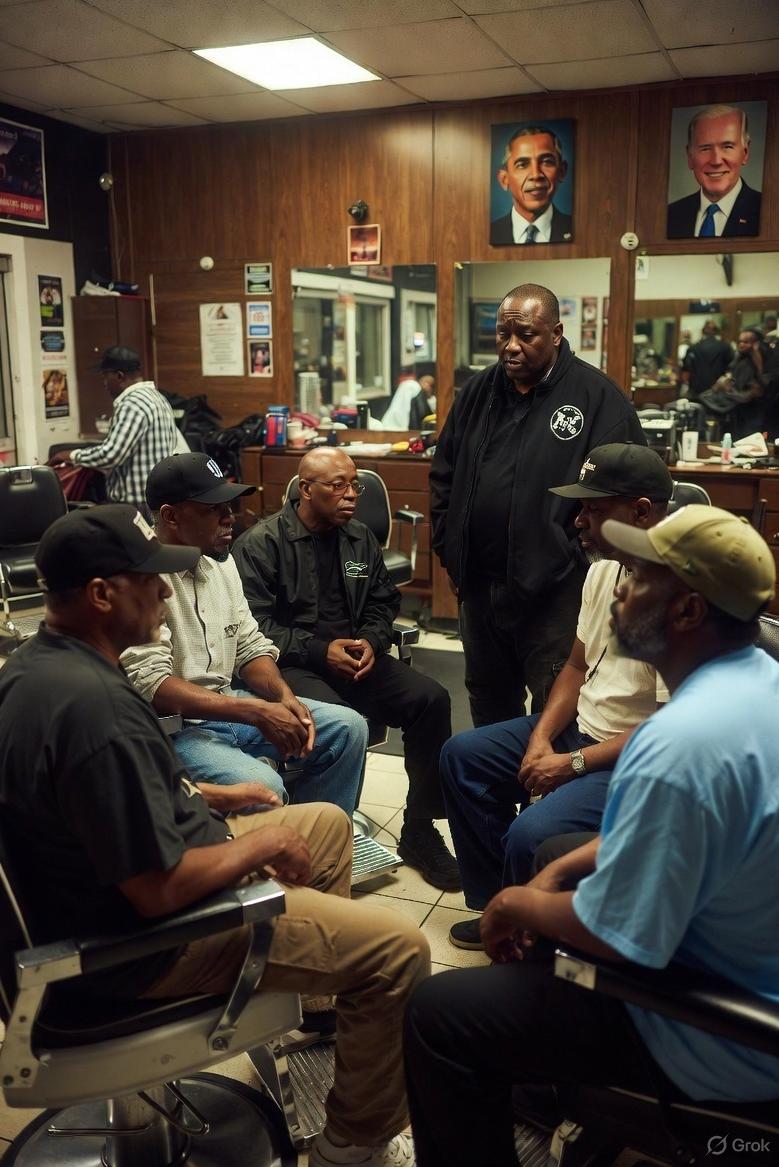
In a powerful Miami barbershop conversation, six Black men gathered to reflect on Donald Trump’s second term. Nearly a year after the 2024 election, they now face the harsh results of policy rollbacks, economic cuts, and social division. Their message? Many predicted this—but it still hurts.
The discussion, hosted at Topcuttaz Barbershop in Miami Gardens, included educators, business owners, and community leaders. The tone was one of regret and resilience, as the men discussed how Trump’s actions have hit Black communities hard across South Florida, reports the Miami Herald.
Economic Fallout Felt in Everyday Life
The impact of Trump-era policies is personal and immediate. Mike Stephens, who owns the barbershop, said haircuts have gone from a routine service to a luxury for many families. People now stretch appointments from two weeks to five due to tight budgets.
The Federal Reserve reported Black unemployment at 7.5% as of August 2025—a 1.4% increase from the previous year. Over 300,000 Black women have exited the labor force, and in Florida, purges of federal employees have cost Black workers, who hold 21% of those roles, their careers.
Scroll to continue reading



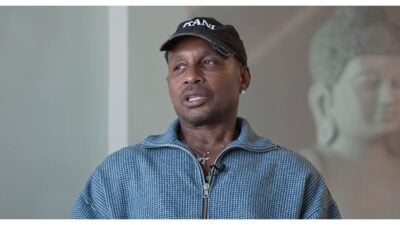



Trump Rollbacks Hit DEI, Education, and Civil Rights
Many of the men pointed to rollbacks in diversity and inclusion as major concerns. Paul V. Wilson Jr., an educator, spoke about Florida’s laws reframing slavery as “folklore.” He said, “I hear and see a lot of buyer’s remorse these days.”
These policies align with Project 2025, which some view as a backlash to America’s changing demographics. Civil rights tools are now used to argue reverse discrimination against white Americans, flipping their original purpose.
Mental Strain Among Black Men Growing
Jefferson Noel, founder of “Barbershop Speaks,” said many men he works with are overwhelmed. “They care deeply about providing for their families,” he noted, linking rising anxiety to job loss and instability. Churches like Tabernacle of Glory are stepping in to offer skills training and support.
Others, like activist Ashley Toussaint, connected mental strain to broader social stress. She emphasized how colorism and political identity in the Black community added layers to the 2024 voting dilemma, especially for men of Caribbean descent.
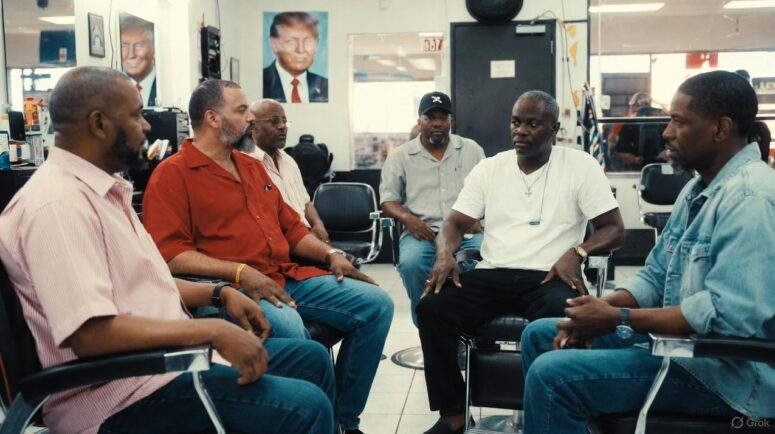
Voter Regret and Reflection One Year Later
The barbershop dialogue revisited past political choices with new clarity. Some men didn’t vote; others backed Trump or gave Kamala Harris what Lionel LightBourne called a “charity vote.” Now, they say that choice is “biting all of us.”
National exit polls show Trump’s support among Black men nearly doubled from 2020 to 2024—rising from 12% to 23%. In Miami-Dade, he flipped key areas like South Miami, where his backing rose from 33% to 43%—a shift tied to gentrification and economic fear.
Who These South Florida Leaders Are
Each man at the roundtable brought a unique voice rooted in experience. Mike Stephens runs a barbershop turned think tank. Jefferson Noel hosts community events around fatherhood and finance. Ruban Roberts has watched friends lose contracts and homes.
- Paul V. Wilson Jr. mentors youth despite censorship in Florida classrooms.
- Ashley Toussaint calls out race and class blind spots in national politics.
- Lionel LightBourne works with the homeless and pushes for smarter political giving.
Together, they reflect a cross-section of Black Florida—a community navigating change, regret, and renewal under Trump’s second term.
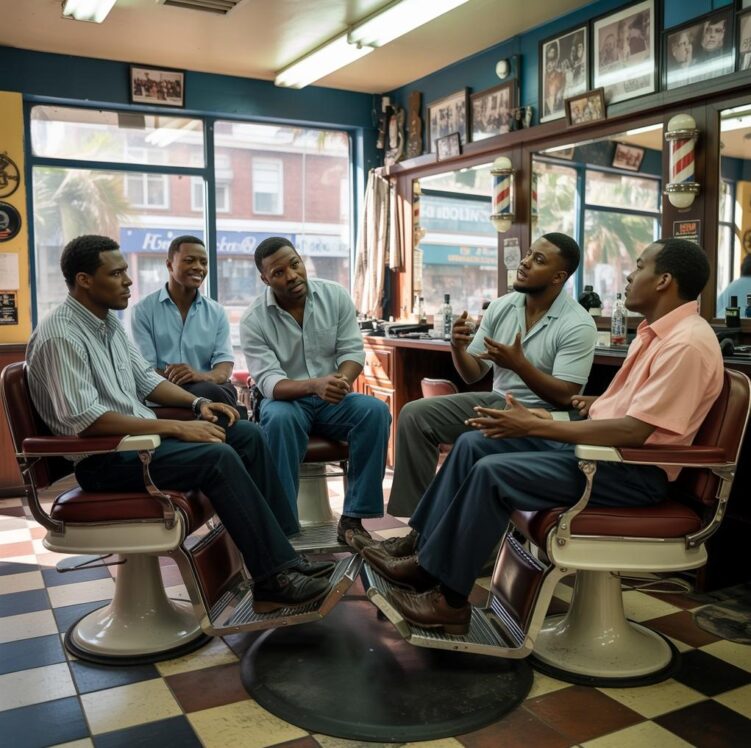
How DEI, Gentrification, and Race Shaped 2024 Choices
Looking back, some Black men voted for Trump out of frustration with Democrats. Others stayed home. But as policies now gut DEI initiatives and displace families, many admit they underestimated the long-term damage.
In neighborhoods like Doral and South Miami, communities of color supported Trump hoping for economic relief. Instead, many now face rising rent, lost benefits, and erased cultural programs. That shift is pushing some to rethink their political choices.
A Path Forward: Unity, Self-Reliance, and Rebuilding
Despite the regret, the men closed with a message of hope. Ruban Roberts said pressure often leads to action. LightBourne advocated “asset mapping”—finding local tools for survival and growth. Wilson said the community must drive the change it seeks.
They encouraged churches, civic groups, and barbershops to step up, educate, and empower. As Trump’s policies continue to unfold, these leaders are focused not on panic—but on preparation, power-building, and reclaiming their narratives.
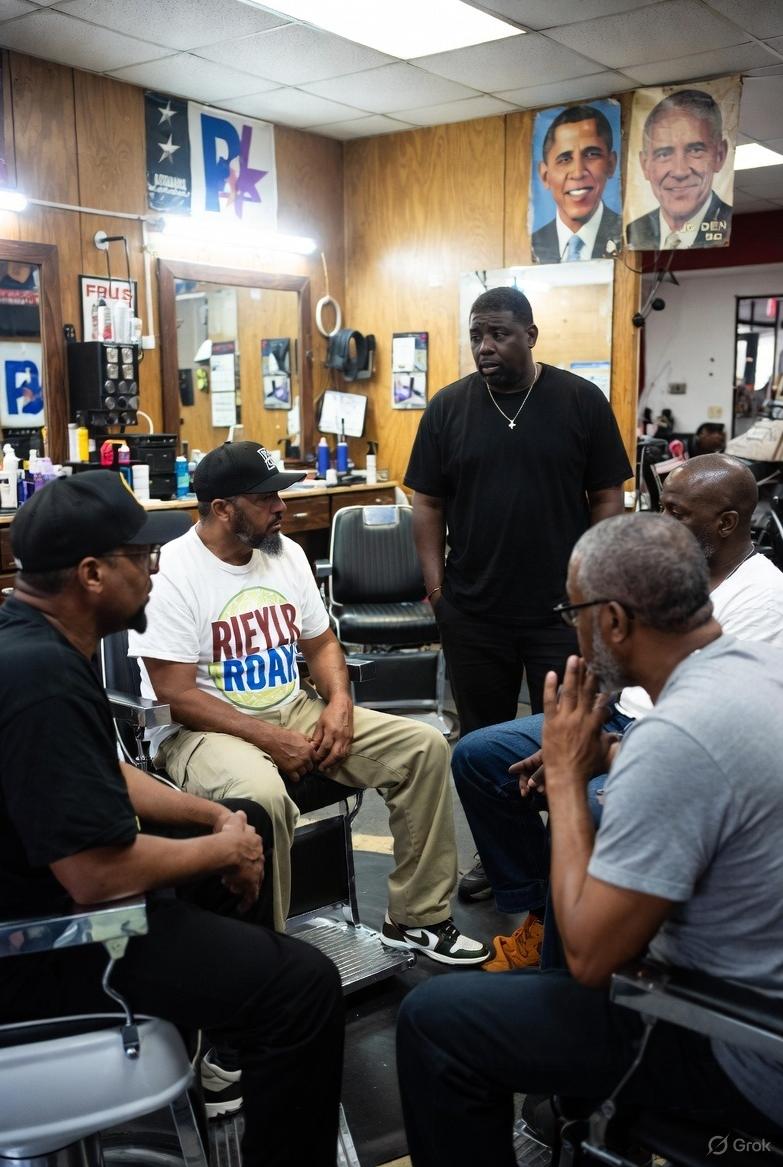
(If You Like/Appreciate This EURweb Story, Please SHARE it!)
MORE NEWS ON EURWEB.COM: First Teaser for ‘Michael’ Biopic Shows Jaafar Jackson Bringing King of Pop to Life | Watch
We Publish Breaking News 24/7. Don’t Miss Out! Sign up for our Free daily newsletter HERE