*OK, how about this interesting, but hardly surprising, development? In a significant policy shift ignited by President Donald Trump‘s executive order, the Pentagon’s intelligence agency, the Defense Intelligence Agency (DIA), has announced the suspension of numerous diversity, equity, and inclusion (DEI) initiatives.
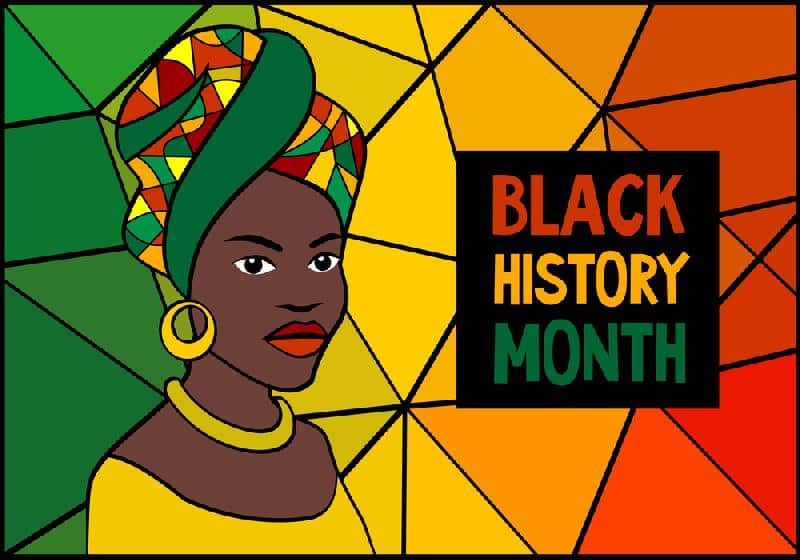
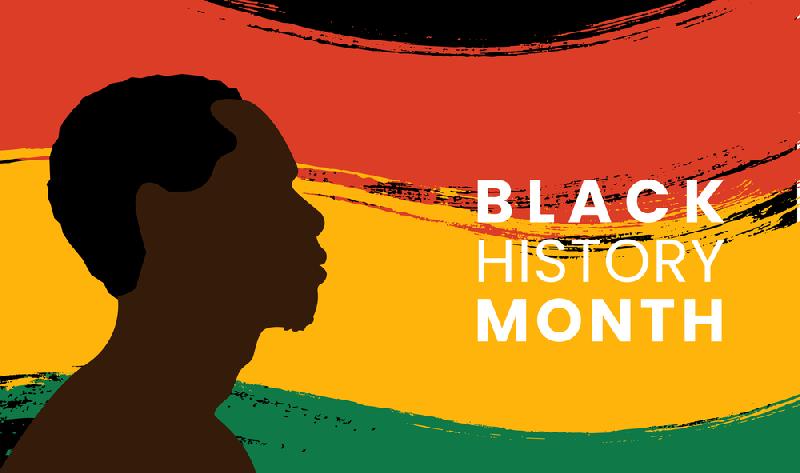
This decision, revealed in a memo obtained by ABC News, affects several historically significant events and observances, including the upcoming Black History Month, Martin Luther King Jr. Day, and Juneteenth.
The memo, dated January 28, 2025, clarifies that while these events are paused, Martin Luther King Jr. Day and Juneteenth will remain federal holidays. As stated by Lt. Cmdr. Seth Clarke, a spokesperson for the DIA, the agency is aligning its operations with the broader directives of the Department of Defense to abide by Trump’s executive orders. Clarke assured that as further guidance is received, the DIA will continually update its internal policies.
Among the events affected by the pause are Women’s History Month, Holocaust Days of Remembrance, Asian American Pacific Islander Heritage Month, and Pride Month. The decision comes at a critical juncture as Black History Month, which commences on February 1, approaches.
Scroll to continue reading






The recent executive orders from Trump mark a firm stance against DEI initiatives, branding them as detrimental to workplace harmony and productivity. The White House emphasized that these policies create “prejudicial hostility” and worsen interpersonal conflicts within federal organizations. As part of this initiative, the DIA will also halt operations of Agency Resource Groups, Affinity Groups, and Employee Networking Groups, effective immediately.
Furthermore, Trump’s directives extend beyond government agencies, urging private companies to dismantle their DEI programs, which he labels as “illegal discrimination.” There is a notable push for a “merit-based” employment system that prioritizes individual accomplishment over collective diversity goals. This could lead to investigations and potential legal consequences for businesses whose DEI programs are perceived as discriminatory.
The public reaction to these orders has been polarized. Advocates for civil rights and diversity programs argue that DEI strategies are vital for addressing systemic inequities entrenched in society. Conversely, supporters of the executive orders claim these initiatives promote reverse discrimination, particularly against white males.
As the legal landscape evolves, the sweeping language of Trump’s executive orders may pave the way for court challenges, as stakeholders seek to define the future of workplace diversity in both public and private sectors. The suspension of the DIA’s events not only signals a tactical shift within the federal government but also highlights the societal tensions surrounding the DEI debate. As events unfold and the implications of these orders are examined, the conversation around equity and inclusion in America remains as critical as ever.
MORE NEWS ON EURWEB.COM: Jesse Williams Warns Against ‘Performative Diversity’ in Film Industry | Video