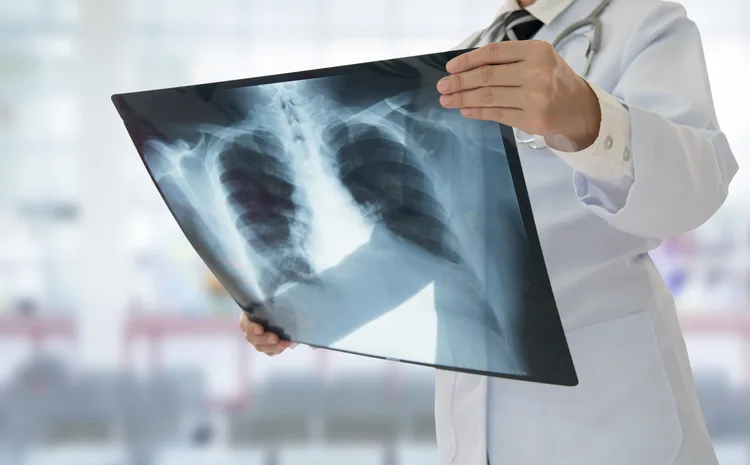
*Artificial intelligence is rapidly transforming how doctors identify disease, with cancer diagnostics at the forefront of this medical revolution. For millions of patients, AI now provides a crucial second opinion that can mean the difference between catching cancer early and missing it altogether.
According to AARP, AI-assisted mammogram analysis is now used by more than 1.5 million American women each year. Radiologist Jason McKellop, M.D., explains that AI doesn’t replace doctors. “The ultimate burden falls on the human being,” he says. Instead, it acts as a digital safety net.
Research supports its impact. In one study, radiologist Manisha Bahl, M.D., and colleagues at Harvard Medical School found that traditional readings detected 73 percent of cancers, while AI-assisted systems identified 94 percent with fewer false positives.
“AI can provide meaningful benefit, especially for cancers that could be missed,” Bahl notes. Yet she adds, “We assume that AI will lead to improved cancer detection rates, which will in turn lead to better long-term outcomes for patients. But we currently lack the real-world data to support this.”
Scroll to continue reading









Teresa McKeon, a 57-year-old from Sherman Oaks, California, chose to pay an additional $40 for an AI-assisted mammogram during her routine screening in August 2024. With a family history of breast cancer—her sister was diagnosed at 47—and dense breast tissue that increases her risk, she felt compelled to use every available resource.
“My sister was diagnosed with breast cancer at age 47,” says McKeon. “I have dense breasts, which raises risk. Breast cancer is something you have to stay on top of with every tool in the toolbox.” The decision proved life-changing. The AI review detected ductal carcinoma in situ, a very early form of breast cancer.
“It was very small, very early, very treatable,” she says. This early diagnosis allowed McKeon to address the condition promptly, underscoring the value of advanced technology in routine screenings for high-risk individuals.
Beyond breast cancer, AI tools are emerging across specialties. A handheld device developed by DermaSensor helps identify potential skin cancers more accurately than visual inspection. AI-assisted MRI readings improved prostate cancer detection by 3.3 percent in a 360-man study. In lung cancer, an algorithm found cases an average of four months earlier than physicians alone.
As McKeon reflects, “The closest thing we have to curing breast cancer at this point is early detection. I’m all for doing whatever we can.”
MORE NEWS ON EURWEB.COM: Keke Wyatt Addresses Son’s Claims of Exploiting Cancer Diagnosis, Denies Homophobia
Sign up for our Free daily newsletter HERE.