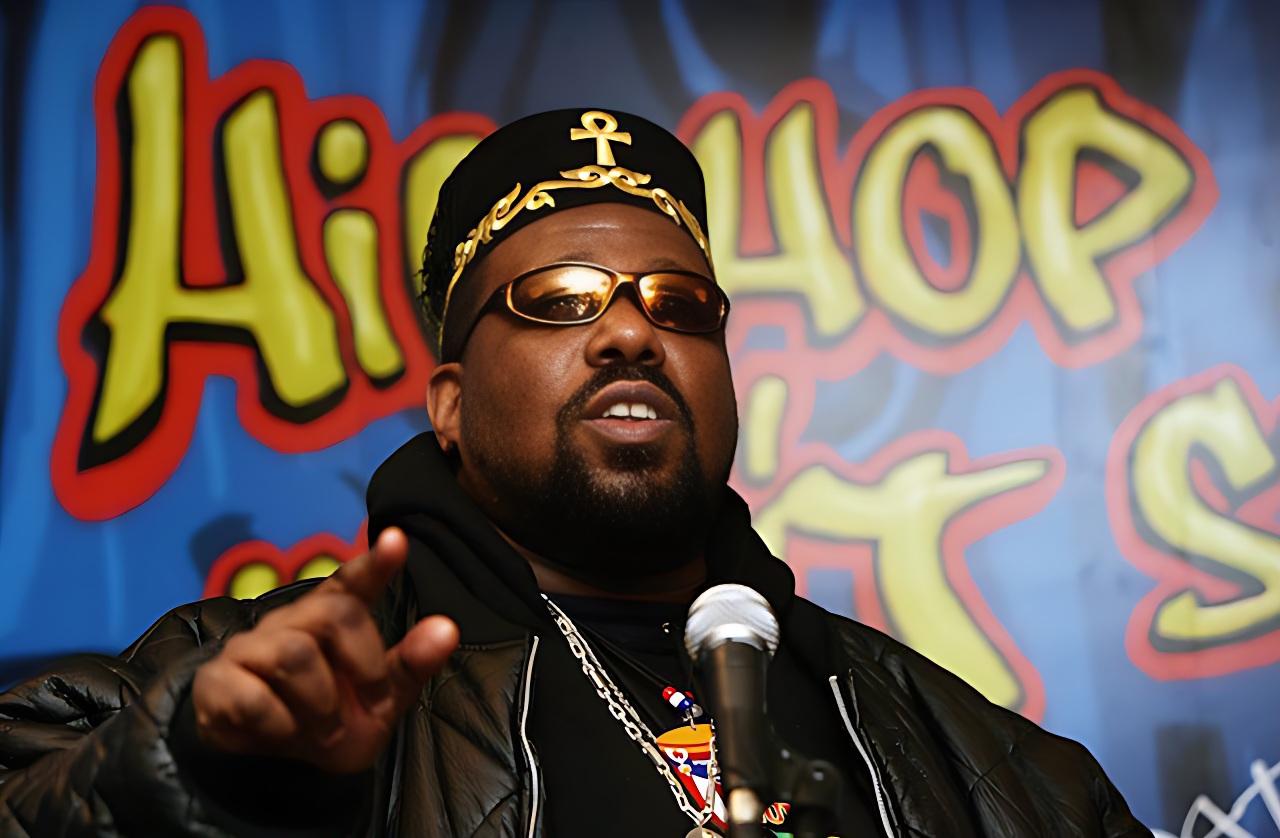
*Afrika Bambaataa, one of the true founding fathers of hip-hop culture, has died at age 67. He passed away early Thursday morning, April 9, 2026, around 3 a.m. in Pennsylvania from complications of cancer.
Born Lance Taylor, Bambaataa emerged from the South Bronx during the 1970s as a DJ who would help transform block parties into a global movement. Alongside pioneers like DJ Kool Herc and Grandmaster Flash, Bambaataa shaped what would become a multi-billion-dollar cultural industry.
His Musical Contributions to Hip-Hop
Bambaataa’s most enduring musical achievement came in 1982 with “Planet Rock,” a groundbreaking track with Soulsonic Force that fused rap, electronic beats (heavily sampling Kraftwerk’s “Trans-Europe Express”), and funk. The song didn’t just top dance charts—it helped launch the electro-funk movement and influenced countless artists in hip-hop, house, techno, and beyond. Producers from Dr. Dre to Daft Punk have cited “Planet Rock” as a foundational influence.
Beyond his own recordings, Bambaataa was legendary for his DJ sets, which drew from everything from Kraftwerk to James Brown to Yellow Magic Orchestra. He introduced generations of young people in the Bronx to music from around the world, expanding their sonic vocabulary.
View this post on Instagram
Scroll to continue reading









Founding the Universal Zulu Nation
Perhaps his greatest structural contribution was founding the Universal Zulu Nation. Originally inspired by a trip to Africa and his own experiences leaving the Black Spades gang, the organization promoted peace, unity, love, and having fun—centered around the four elements of hip-hop: DJing, MCing, breaking (breakdancing), and graffiti art.
The Zulu Nation spread hip-hop globally as a positive cultural force, establishing chapters in Japan, Europe, Africa, and beyond. For countless young people worldwide, the Zulu Nation provided an alternative to gang violence and a pathway into creative expression.
He was often called the “Amen Ra of Hip Hop” or a visionary. Kurtis Blow and the Hip-Hop Alliance issued a statement acknowledging him as a “foundational architect” of the culture while noting his legacy is complex.
The Other Side of His Legacy
In later years, Bambaataa’s reputation was severely damaged by multiple allegations of sexual abuse and child molestation dating back to the 1970s and 1980s, when he served as a youth mentor through the Zulu Nation. Several men came forward accusing him of abusing them as teenagers.
He denied the claims but left his leadership role in the Zulu Nation in 2016 amid the accusations. In 2025, he reportedly lost a related civil case after failing to appear. The allegations divided the hip-hop community, with some defending him and others cutting all ties.

A Divided Reaction to His Passing
Many tributes today reflect this duality—celebrating his musical and cultural impact while acknowledging the serious harm alleged against him. Some voices in the hip-hop community have been blunt about the allegations even in their reactions to his passing.
Social media has been split. Some posts celebrate “Planet Rock” and his role in hip-hop history. Others focus on his accusers, arguing that victims should not be forgotten in mourning.
Rest in peace to the man who helped birth a culture that changed the world. His influence on “Planet Rock” and the Zulu Nation’s early vision remains undeniable, even as the full picture of his life includes deep controversy.
(If You Like/Appreciate This EURweb Story, Please SHARE it!)
MORE NEWS ON EURWEB.COM: Afrika Bambaataa Reportedly Hiding Out to Avoid Child Molestation Lawsuit
We Publish Breaking News 24/7. Don’t Miss Out! Sign up for our Free daily newsletter HERE.