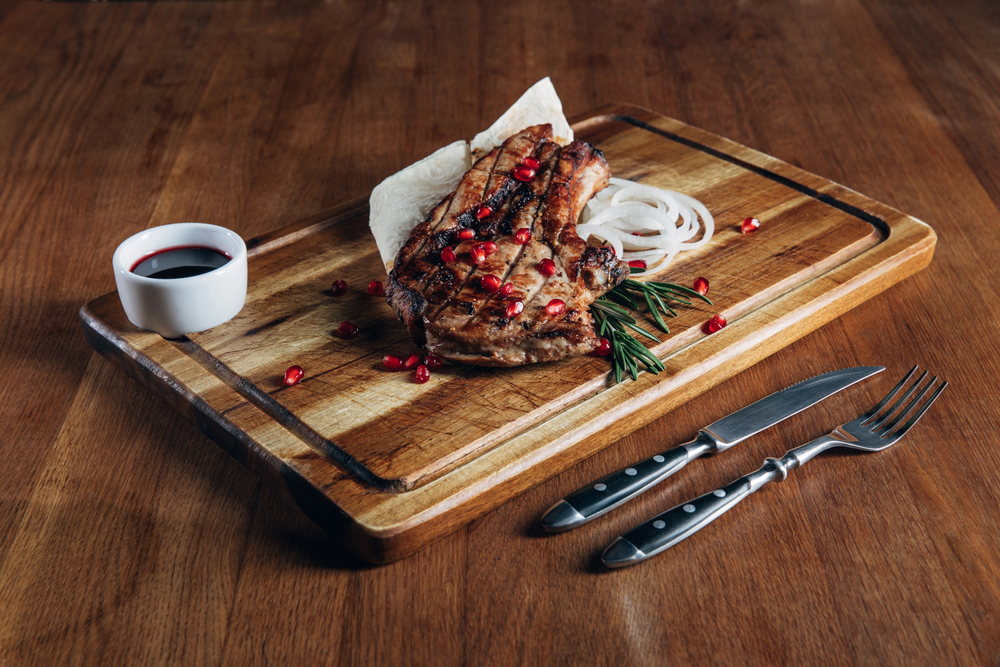
*Cooking the perfect steak at home might seem intimidating, but with the right technique, it’s entirely doable, even for a special occasion.
According to Ramiro Lafuente Martínez, executive chef at London’s Connaught Hotel, it starts with choosing the right cut and giving it the care it deserves in the pan. Here’s a guide to mastering pan-seared perfection via The Telegraph:
Choose Wisely:
Opt for thick cuts (2.5–3cm) like ribeye, sirloin, fillet, or rump. Thicker steaks allow for a beautifully seared crust without overcooking the center.
Preparation is Key:
Let the steak come to room temperature before cooking. “A steak that’s cooked correctly is a homogeneous colour all the way through,” says Martínez. Rub it with olive oil, or rendered beef fat for extra richness, and season generously with flaky sea salt. Hold off on pepper until after cooking, as it can burn and turn bitter.
Heat and Sear:
Use a heavy, preferably cast-iron pan, and get it hot enough to sear without scorching. Start by sealing the edges using tongs, this locks in juices and melts exterior fat for added flavor. Once the edges are browned, lay the steak flat and cook until it develops a rich golden crust. “But whatever you do, don’t press the meat down or you’ll lose the juices,” Martínez says.
Scroll to continue reading









Rest, Then Finish:
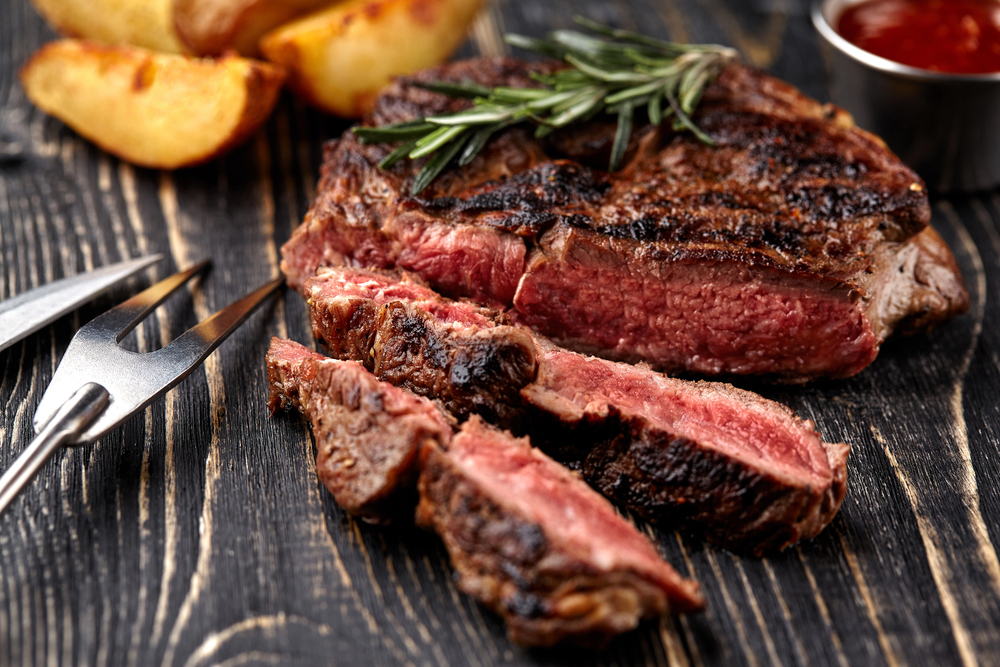
After the steak is cooked to your preferred doneness, rest it for 10 minutes, flipping once halfway. This lets the juices redistribute. For added flavor, return the steak briefly to the pan with butter and thyme, basting with the foaming butter for about a minute and a half. Rest again for two minutes.
Slice with Care:
If serving sliced, cut against the grain for maximum tenderness. Finish with flaky salt and cracked pepper.
The Flavor Factor – Maillard Reaction:
That savory, crusty edge isn’t just pretty, it’s science. The Maillard reaction, a chemical process triggered by heat, creates complex, deeply “meaty” flavors by browning the surface of the meat.
How to Know It’s Done:
Use a meat thermometer if you want precision:
- Rare: 44–46°C
- Medium rare: 46–48°C
- Medium: 50–54°C
- Medium-well: 56–60°C
- Well done: 60–65°C
Alternatively, use the touch test with your hand to feel for doneness.
With a bit of patience and attention to detail, you’ll have a restaurant-worthy steak, crispy on the outside, juicy on the inside, and bursting with flavor.
For tips on how to choose the right steak for the occasion, CLICK HERE.
MORE NEWS ON EURWEB.COM: Outback Steakhouse Struggles as Texas Roadhouse and LongHorn Rise in Popularity
Sign up for our Free daily newsletter HERE.