*As Juneteenth, commemorating the 1865 emancipation announcement in Galveston, Texas, gains prominence as a federal holiday since 2021, its culinary heritage takes center stage.
Food, deeply woven into the June 19 celebrations, reflects resilience and joy, a theme amplified by contemporary children’s book authors who share recipes and stories to educate young readers. Amid challenges like book bans targeting Black history, organizations such as the Authors Guild and We Need Diverse Books advocate for access to these narratives.
As All Recipes reports, Alice Faye Duncan, author of Opal Lee and What It Means to Be Free, highlights “Red Punch” Strawberry Lemonade, a nod to West African hibiscus teas symbolizing the bloodshed of enslaved people.
“My Juneteenth table includes ribs, hot links, smoked Cornish hen, spaghetti, baked beans, and slaw from Cozy Corner BBQ,” Duncan shares, noting her Memphis Juneteenth Jamboree’s vibrant community spirit.
“When I am not traveling on Juneteenth for a book event, I make a pitcher of Juneteenth ‘Red Punch’ Strawberry Lemonade, an original recipe from chef and Texas historian, Angela Shelf-Medearis,” she added. Her book celebrates Opal Lee’s activism, as Duncan notes, “She serves children a living model of persistence, personal agency, and activism.”
Scroll to continue reading









Tonya Duncan Ellis, author of They Built Me for Freedom, emphasizes collard greens for abundance and black-eyed pea salad for prosperity, staples paired with barbecue and red velvet cake. Reflecting on Houston’s Emancipation Park, she says, “I got chills imagining my ancestors rejoicing over their newfound freedom on the land where I stood.”
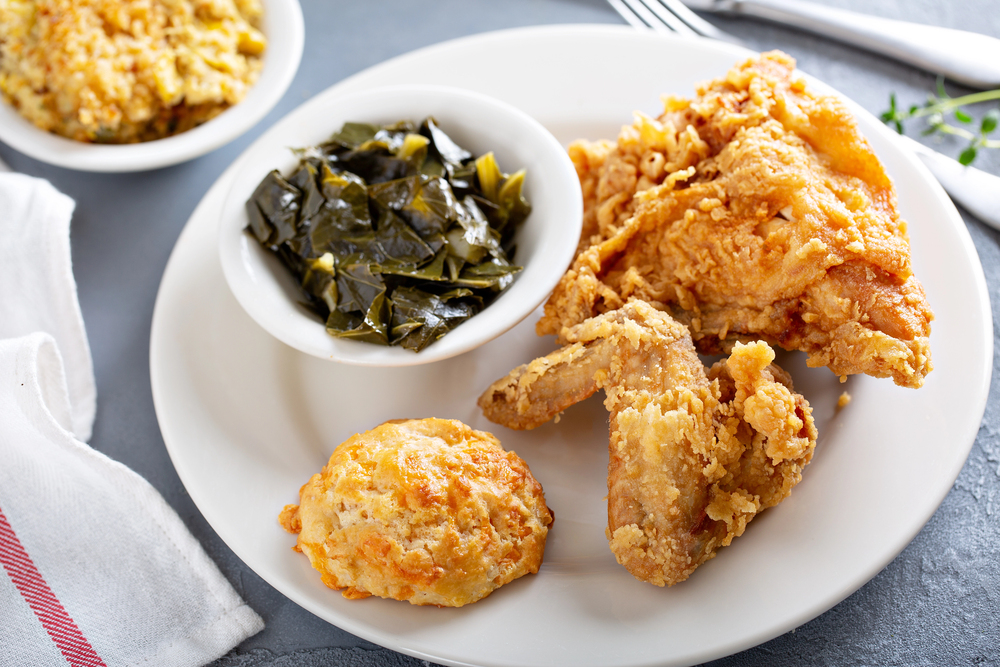
“Collard greens [with turkey legs] are a staple in my household. My mom made greens regularly for our family growing up, and I’ve continued that tradition with my own husband and children…the greens pair nicely with Juneteenth staples like barbecue, baked beans, deviled eggs, red velvet cake.”
Van G. Garrett, behind Juneteenth: A Picture Book for Kids Celebrating Black Joy, plans red velvet cookie ice cream sandwiches alongside soul food classics. “Turn up with the cookout, the barbecue, the parades, all of that,” he urges, stressing the importance of elders’ stories.
Garrett noted: “This year, I’m having a traditional soul food meal. Collard greens, fried chicken, macaroni and cheese, red soda, the works! I’m also going to try the red velvet cookie ice cream sandwiches this year. I’ve never made them, but it never hurts to try something new.”
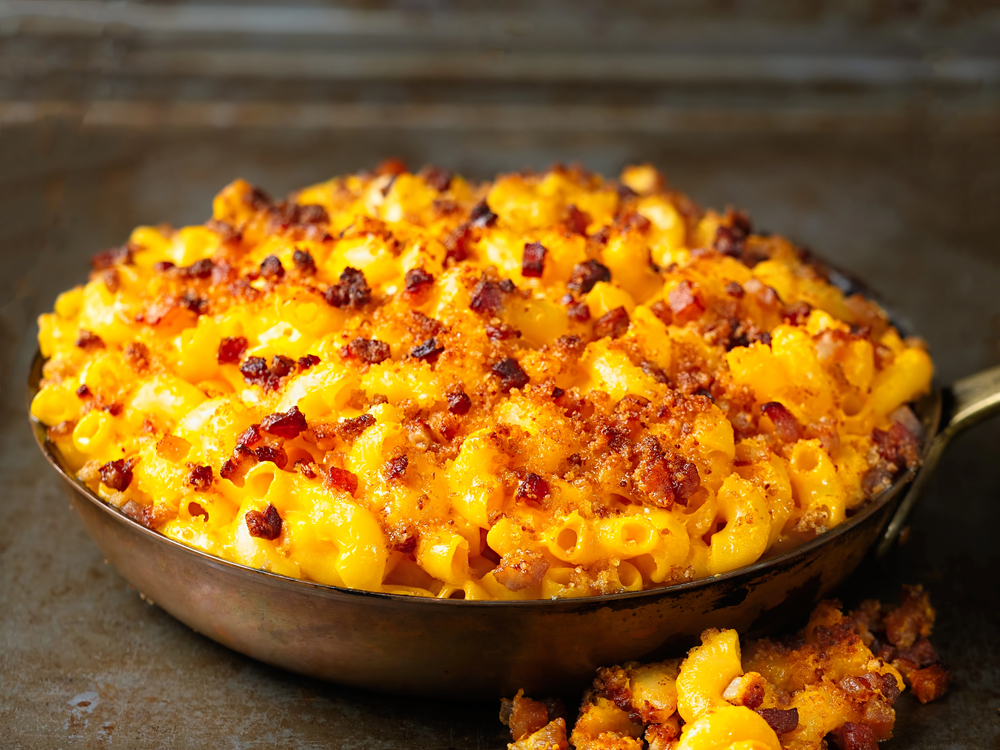
Natasha Tripplett, author of Juneteenth Is, is known for her baked macaroni and cheese, enriched by boiling noodles in milk. “The food is a representation of the history of our people—and unity,” she says. Alliah L. Agostini’s The Juneteenth Cookbook features watermelon snow cups, symbolizing escapes to Mexico.
Alliah L. Agostini, author of The Juneteenth Cookbook, highlights watermelon snow cups as a meaningful Juneteenth dessert. The red fruit, combined with lime and Tajín, a Mexican chili-lime spice, symbolizes the journey of 3,000 to 10,000 enslaved African and Black people who fled Texas for freedom in Mexico, where slavery was abolished in 1841.
Agostini notes, “Featured in The Juneteenth Cookbook, watermelon snow cones are something that my children and I have been doing over the past several years.”
These authors ensure Juneteenth’s legacy endures through food and literature, fostering family traditions and cultural pride.
MORE FROM EURWEB.COM: The Rich Traditions Behind Juneteenth’s Most Beloved Dishes
Sign up for our Free daily newsletter HERE.