*O.J. Simpson remains one of the greatest players ever to wear a Buffalo Bills uniform. But when the franchise opens its new stadium later this year, the Hall of Fame running back won’t be part of the celebration.
The Bills have decided not to include Simpson on the Wall of Fame inside the new Highmark Stadium, ending any speculation that one of the franchise’s most accomplished players would be honored in the team’s new home.
“We have made an organizational decision that he is not a fit to display inside our new stadium and family circle,” Pete Guelli, the Bills’ president of business operations, said in a statement, as reported by Reuters.
The decision underscores the complicated legacy of Simpson, whose remarkable football career has remained inseparable from the criminal case that transformed him from one of America’s most celebrated athletes into one of its most polarizing public figures.
From Franchise Icon to NFL Legend
Long before the 1994 murder case dominated headlines, Simpson was Buffalo’s first football superstar.
Scroll to continue reading






After winning the 1968 Heisman Trophy at the University of Southern California, he became the No. 1 overall pick in the 1969 NFL Draft.
His greatest season came in 1973 when he rushed for 2,003 yards, becoming the first player in NFL history to surpass the 2,000-yard mark in a 14-game season. That same year, he was named the league’s Most Valuable Player.
During nine seasons with Buffalo, Simpson rushed for 10,183 yards—still second in franchise history behind Hall of Famer Thurman Thomas—and earned five First-Team All-Pro selections and six Pro Bowl appearances.
His franchise-record 273 rushing yards in a single game in 1976 remains one of the best rushing performances in NFL history.
Those accomplishments earned Simpson a place in the Pro Football Hall of Fame and made him the first player inducted onto the Bills’ Wall of Fame in 1980.
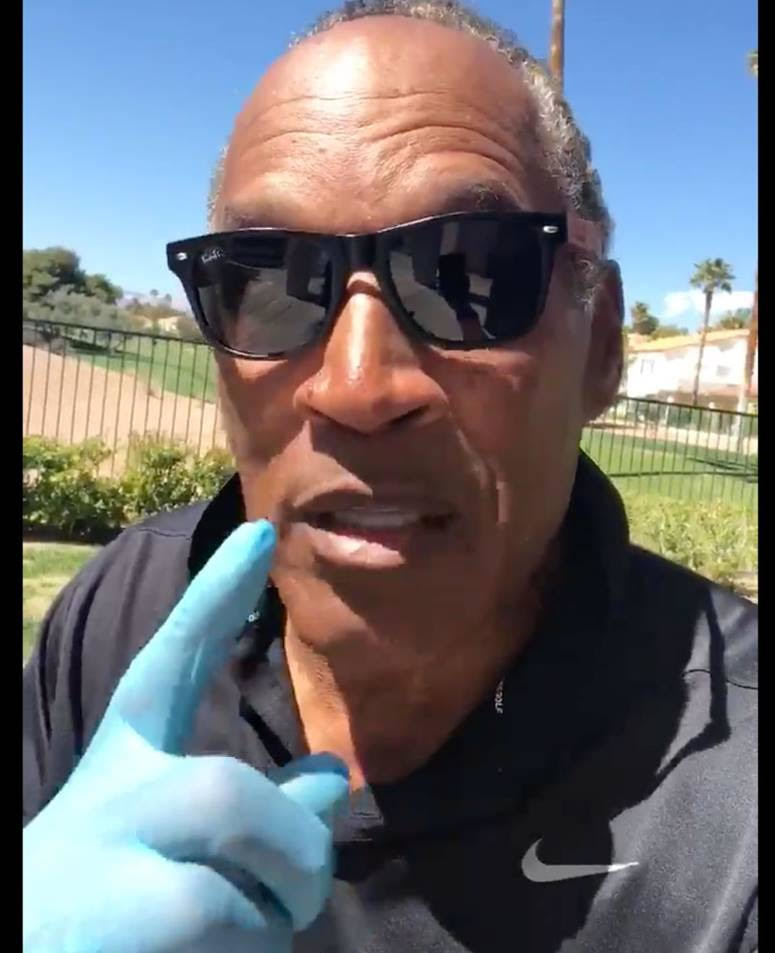
A Legacy Forever Changed
Everything changed in 1994.
Simpson was charged in the stabbing deaths of his ex-wife, Nicole Brown Simpson, and her friend, Ronald Goldman, in what became one of the most closely watched criminal trials in American history.
He was acquitted in criminal court but was later found liable for the wrongful deaths in a civil lawsuit and ordered to pay $33.5 million in damages to the victims’ families.
The case permanently altered public perception of Simpson and cast a lasting shadow over his athletic achievements.
When Simpson died of cancer in 2024 at age 76, neither the Bills nor his alma mater, USC, publicly acknowledged his passing.
A Difficult Question for Sports Organizations
The Bills’ decision reflects a challenge many teams continue to face: how to recognize extraordinary athletic accomplishments when an athlete’s personal legacy has become deeply controversial.
Simpson’s records remain in the NFL history books, and nothing about his football achievements has changed. Yet Buffalo has made clear that honoring his accomplishments inside its new stadium no longer reflects the image the organization wants to present.
For many fans, the debate isn’t about whether Simpson was one of the greatest running backs ever to play the game. It’s about whether greatness on the field can—or should—be separated from what happened away from it.
With Highmark Stadium scheduled to open for the 2026 season, the Bills have answered that question for their franchise.
(If You Like/Appreciate This EURweb Story, Please SHARE it!)
MORE NEWS ON EURWEB.COM: OJ Simpson Cancer Death Reactions: Caitlyn Jenner, Murder Victim Ron Goldman’s Family, Others: ‘Good Riddance!’ | VIDEOs
We Publish Breaking News 24/7. Don’t Miss Out! Sign up for our Free daily newsletter HERE.