New NYC HIV Report Finds Infections on the Rise Again
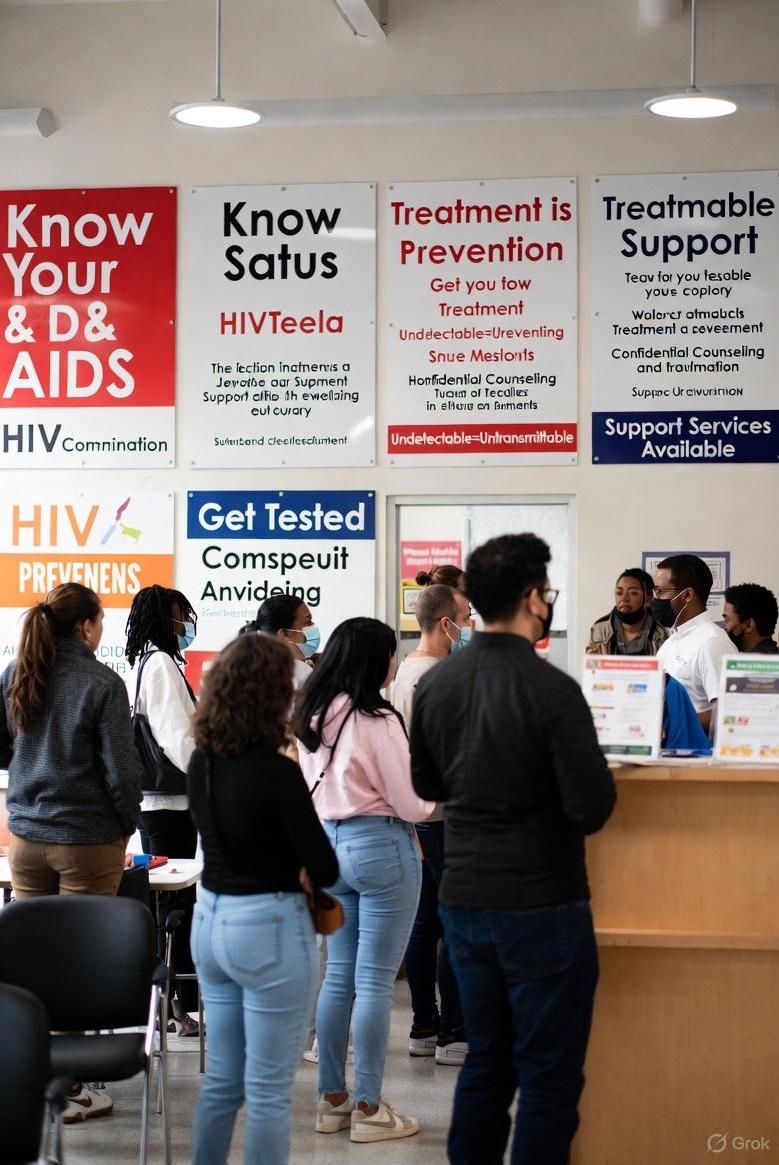
*Damn! This is not good news. New York City’s 2024 HIV Surveillance Annual Report shows HIV cases are increasing after years of decline. A total of 1,791 people were newly diagnosed in 2024, up 5.4% from 2023.
This marks the fourth straight year where new HIV diagnoses have either risen or stayed flat. The trend reverses a steady drop seen before 2020 and raises concerns across health agencies.
Black and Latino New Yorkers See Highest HIV Burden
The NYC HIV report highlights deep racial disparities in new cases. Black and Latino residents made up 86% of all new diagnoses in 2024.
These communities represent about half of the city’s population, but carry a much higher share of infections. Among newly diagnosed women, a staggering 91% were Black or Latina.
Scroll to continue reading









Poverty and Housing Instability Are Key Risk Factors
The report connects high HIV rates with economic hardship and unstable living conditions. Roughly 42% of all new HIV cases came from high or very high-poverty neighborhoods.
These areas often lack consistent access to healthcare, testing centers, and prevention services. Housing instability and food insecurity add layers of difficulty for those at risk or living with HIV.
Gay and Bisexual Men Still Face Major Risk
Men who have sex with men continue to represent the largest group of new HIV cases. Among diagnoses where risk factors were known, they accounted for 65% of all cases in 2024.
Of those, 82% were Black or Latino, further underscoring racial health disparities. The NYC HIV report shows this group remains at the heart of the city’s HIV prevention efforts.
COVID-19 Pandemic Continues to Impact HIV Prevention
Health officials say the COVID-19 pandemic severely disrupted HIV care and prevention in NYC. Many clinics reduced services, which led to fewer tests and delayed treatment for at-risk individuals.
Combined with growing stigma and misinformation, these setbacks helped fuel the rise in HIV cases. Communities hit hardest by COVID-19 were often the same ones most at risk for HIV.
PrEP Access Still Unequal Among NYC Communities
Pre-exposure prophylaxis, or PrEP, remains underused in communities that need it most. Young people, women, and people of color are far less likely to take or even know about it.
The NYC HIV report calls for expanded PrEP outreach and education in these groups. Doctors say that boosting access could drastically reduce new infections in the coming years.
Federal Budget Cuts Could Set Back HIV Progress
The city now faces another challenge: proposed cuts to CDC HIV prevention funds in the 2026 budget. If approved, NYC could lose more than $41 million per year in federal HIV support.
This funding supports testing, treatment linkage, and outreach—especially in high-risk neighborhoods. Experts warn that cutting these resources could reverse decades of HIV progress.
NYC’s Long-Term HIV Fight Needs New Momentum
Even with recent setbacks, HIV diagnoses in NYC have dropped more than 70% since 2001. Still, the latest NYC HIV report shows that progress has slowed and disparities are growing.
City leaders and health advocates say it’s time to double down on targeted, community-focused efforts. With more outreach, education, and funding, NYC can still aim to end the epidemic.

(If You Like/Appreciate This EURweb Story, Please SHARE it!)
MORE NEWS ON EURWEB.COM: Dr. Umar to Nicki Minaj: ‘Don’t Go Down as One of the Greatest Coons Who Ever Lived’
Sign up for our Free daily newsletter HERE.