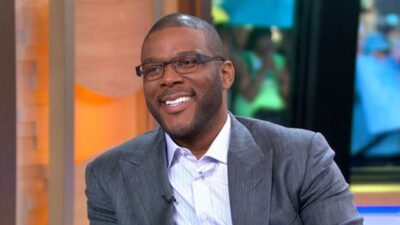
Mike Tomlin’s Resignation: A Coaching Exit or Cultural Reckoning?
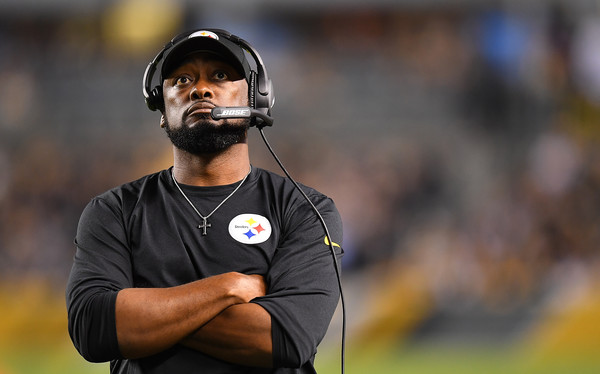
*Mike Tomlin’s decision to resign as head coach of the Pittsburgh Steelers after 19 seasons came with a legendary résumé: no losing seasons, a Super Bowl win, and over 200 total victories. But his departure also came with a deeper context—one steeped in race, perception, and pressure in a city statistically known as America’s whitest major metro area.
As Andscape reported, Pittsburgh’s demographics—older, whiter, and more conservative-leaning despite its blue-state status—formed a unique pressure cooker for the NFL’s most prominent Black head coach. And when Tomlin left, it wasn’t just about football. It was about what it meant to succeed—and still be second-guessed—while Black in a place like Pittsburgh.
‘Mike Tomlin Resignation’ Was Also About Race—Let’s Not Pretend Otherwise
From the beginning, Tomlin’s presence was historic. Hired at just 34, he became the Steelers’ first Black head coach and a living example of the NFL’s Rooney Rule in action. But with that trailblazing status came scrutiny that often felt racial in tone, not just critical in content.
Fans chanted “fire Tomlin” during losses. Sports radio callers went from frustrated to outright hostile. Black fans described the response as a “lynch mob” vibe, and even local media addressed him with a casualness—always “Mike”—that some felt wouldn’t happen with a white coach of his stature. The winning didn’t shield him from coded disrespect.

Scroll to continue reading









Pittsburgh’s Culture: Blue on Paper, Red in Attitude
Yes, Pittsburgh votes blue. However, culturally, the city tends to lean conservative, especially around football. Western Pennsylvania went to Trump by 15 points in 2024. And when Tomlin backed social justice efforts or benefited from diversity-focused policies, such as the Rooney Rule, that cultural divide widened.
Critics leaned hard on playoff losses (8-12 overall, 7 straight postseason Ls), but many Black fans saw those critiques as carrying extra baggage. ESPN’s Ryan Clark said it plainly: “If he were white, we wouldn’t even be having this conversation.” Jemele Hill agreed, framing his resignation as less about football failure and more about racial fatigue.
Community Voices: ‘Mike Tomlin Resignation’ Felt Personal
For many Black residents, Tomlin wasn’t just a coach—he was a symbol. Local writer Damon Young said he was “more surprised we had a Black coach than when America had a Black president.” High school coach Ed Dawson described a “guarded” feeling at games based on seating location, pointing to deeper racial divides.
Tomlin’s off-field presence added to his impact. Programs like “Man Up” (with Urban Impact) helped mentor Black youth. Esther Bush of the Urban League called his era transformative. His tenure wasn’t just about winning—it was about representation, presence, and pride in a city where Black excellence is still met with suspicion.
turns out one of my old tweets is in this Article #SteelersNation https://t.co/lYwMxpkhez
— Will-Howard-Time… (@Dwinsgames) January 17, 2026
Then Came the Rumors—And the Internet Did Its Thing
Within days of the resignation, a salacious rumor spread online. Social media users began speculating about an alleged affair between Tomlin and Nina Pagley, a bartender and GM at local hotspots like BURN by Rocky Patel. Claims included a secret child, a $3.5 million hush payment, and screenshots showing a supposed resemblance between Pagley’s baby and Tomlin.
But here’s the truth: there is zero credible evidence. No reporting from ESPN, NFL Network, or any reputable outlet has confirmed the rumor. Sites like MediaTakeOut labeled it “unproven,” and most platforms are treating it as baseless gossip. Tomlin’s been married to his wife, Kiya, for nearly 30 years, with three children, and there’s no known link between him and Pagley beyond social media whisper campaigns.
The Rumors Feel Racial—Because They Probably Are
Let’s be honest. These rumors didn’t catch fire in a vacuum. They landed squarely in Pittsburgh’s racially charged post-Tomlin climate. And for many, they represent another way Black men—especially prominent ones—are dragged through the mud the moment they step out of line or step away.
Would this level of scandal frenzy hit a white coach with the same force? Hard to say. But the timing feels suspect, and the framing—often focused on race and alleged interracial dynamics—adds layers of ugly implication. For now, it’s speculation without receipts.
Tomlin Walked Away on His Own Terms—Don’t Let the Noise Blur That
Behind the headlines and hashtags, Tomlin’s resignation looks like a strategic decision. His contract was winding down. The Steelers had an aging roster. And the noise—racial, cultural, and football-related—wasn’t letting up. Walking away now lets him control the exit narrative and move forward with dignity.
Whether he returns to coaching or takes a well-earned break, his legacy is already cemented. The first Black coach in Steelers history redefined consistency in the NFL—and did it while carrying the burden of race every step of the way.
Where the Steelers—and the NFL—Go From Here
The Steelers now face a choice: will they double down on the inclusive legacy Tomlin helped build, or reset to a “safe” hire that appeases critics? Jemele Hill says the team should hire another coach of color, to make clear Tomlin wasn’t a token, but a trendsetter.
Meanwhile, the league continues to grapple with its diversity problem. Tomlin was often the NFL’s only Black head coach. Now, the NFL loses a key figure at a time when its leadership ranks still lack racial equity. His exit might re-ignite conversations around the Rooney Rule, equity in hiring, and how success is measured when you’re Black in America.
(If You Like/Appreciate This EURweb Story, Please SHARE it!)
MORE NEWS ON EURWEB.COM: Secret Lovers – Who Knew?! Brian Austin Green Talks Down Low Romance with Tichina Arnold in the 1990s | WATCH
We Publish Breaking News 24/7. Don’t Miss Out! Sign up for our Free daily newsletter HERE.