*Measles is a viral infection renowned for its extreme contagiousness, primarily spreading through the air and via droplets produced when an infected person breathes, coughs, or sneezes.
According to the Johns Hopkins Bloomberg School of Public Health, it can also be contracted by touching surfaces contaminated by the virus. Due to the alarming nature of this infection, individuals need to understand its transmission, symptoms, and preventive measures to safeguard public health.
A Rise in Measles Cases: The Current Situation
As of February 22, 2023, California reported three cases, while the Centers for Disease Control and Prevention (CDC) indicated that the United States has a total of 164 reported cases across various states, including Alaska, New Jersey, New Mexico, and Texas. The first U.S. death from measles since 2015 was documented in rural West Texas, involving an unvaccinated child. The spike in measles incidents is attributed to a decline in vaccination rates globally, exacerbated by the COVID-19 pandemic. Recent data suggests that communities need to maintain a 95% vaccination rate to establish herd immunity; however, many states in the U.S. fall below this critical threshold for kindergarten-aged children.
The CDC issued warnings about potential exposure, particularly for travelers and airport staff who were present at Terminal B on February 19, 2023. Specific Korean Airlines flights also had passengers who may have come into contact with the virus, prompting health departments to reach out to potentially exposed individuals.
Scroll to continue reading









Recognizing Measles Symptoms
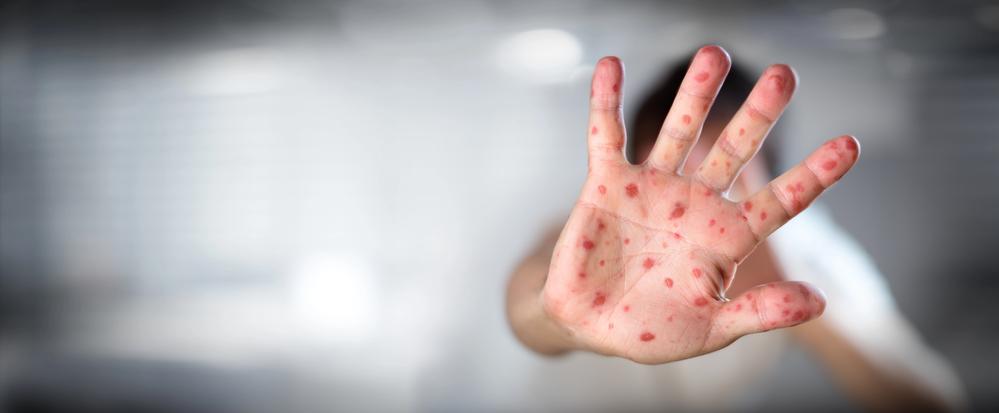
Symptoms typically surface between seven and 21 days after exposure. Initial signs may include a high fever, cough, runny nose, and red and watery eyes, followed by a characteristic rash. The rash usually emerges between seven and 18 days post-exposure, starting on the face and neck and potentially spreading to the extremities over three days. The rash persists for five to six days before fading.
Unfortunately, measles can lead to severe health complications, especially in young children and vulnerable adults. As outlined by public health authorities, severe outcomes include blindness, encephalitis, severe diarrhea leading to dehydration, ear infections, pneumonia, and, in some cases, death. Children under five years old and adults over thirty are at heightened risk for these complications.
What to Do If Exposed to Measles
Public health officials recommend a course of action if contacted regarding possible exposure. First and foremost, individuals should verify their vaccination status. Those who have never contracted measles and have not received the vaccine are at a significantly higher risk if they’ve been exposed. Key steps for exposed individuals include:
– Reviewing personal immunization records to assess protection against measles.
– Notifying healthcare providers promptly, especially for pregnant individuals or those with weakened immune systems.
– Keeping vigilant for any symptoms that may develop.
– If symptoms do occur, individuals should stay home and indeed advise healthcare facilities before arrival, informing them of any potential exposure.
According to Los Angeles County Health Officer Muntu Davis, “a person can spread the illness to others before they have symptoms,” highlighting the critical importance of vigilance following exposure.
The Best Defense: Vaccination
The most effective method of preventing measles is through vaccination, specifically the measles, mumps, and rubella (MMR) vaccine. The CDC recommends that children receive the first MMR dose between 12 to 15 months of age and the second dose between the ages of four and six years.
Receiving two doses of the MMR vaccine can provide approximately 97% effectiveness in preventing measles, while a single dose offers around 93% efficacy. Health officials stress the necessity of vaccination not only to protect individual health but also to ensure community immunity against this highly contagious disease.
The resurgence of measles cases, for which vaccination rates have fallen, demands urgent attention to public health practices and a collective effort towards increasing immunity in communities.
As we navigate through these turbulent times, understanding vaccinations and adhering to health advisories could make a substantial difference in combatting the resurgence of measles and protecting vulnerable populations across the United States.
MORE NEWS ON EURWEB.COM: Dr. Ben Carson Says Blame Measels Outbreak on Illegal Immigrants
Don’t Miss out! Get the Latest News Sent to You. Sign up for our FREE newsletter HERE.