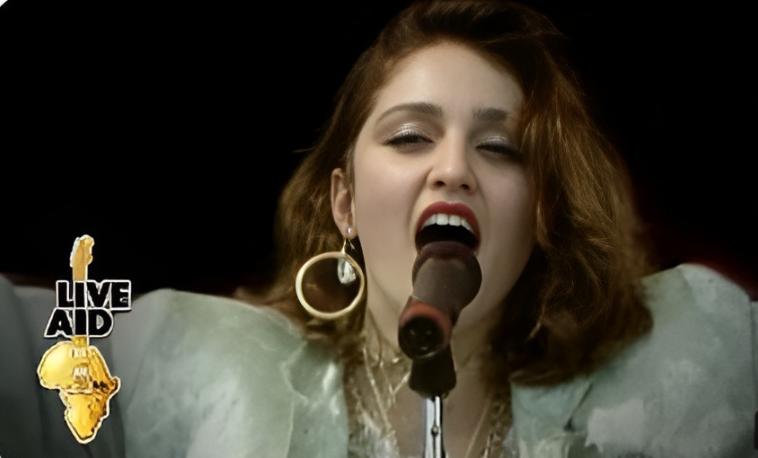
*Forty years ago, something magical happened in my hometown of Philadelphia—an event that, even now, echoes in my memory like the thunder of a stadium crowd. It was July 13, 1985, the day of Live Aid, and JFK Stadium was the epicenter of not just music history, but global consciousness.
I was just a kid from Philly. A Black boy growing up in a tough city where the air was thick with both the hum of possibility and the weight of survival. I didn’t know the term “cultural moment” back then. But when Live Aid came to town, I knew—even at my young age—that I was witnessing something different. Something big.
The world was watching Philadelphia, and Philadelphia showed up.
That summer, 89,000 people packed into JFK Stadium. Stars like Madonna, Mick Jagger, Tina Turner, and Bob Dylan took the stage. We heard Queen from across the ocean in London and watched in awe as Phil Collins pulled off the impossible—performing at Wembley in the UK and then at JFK on the same day, thanks to the Concorde. It was more than a concert. It was a call to action.
Scroll to continue reading

We were all watching the same thing at the same time—1.9 billion people across 150 countries. The goal? Raise money for the horrific famine ravaging Ethiopia. And it did—over $127 million. But more than money, it raised awareness. Live Aid made suffering human. It made hunger personal. We couldn’t unsee those haunting images of starving children with bloated bellies—scenes we had become used to, yet could never accept.
That trauma stayed with me.
As a kid in 1985, my days were colored by a swirl of images and messages. “Where’s the beef?” barked the old lady on the Wendy’s commercial. I laughed, not yet realizing how marketing shaped our view of the world. I remember cartoons like Heathcliff and Johnny Quest, and shows like The A-Team, where problems could be solved with wit, muscle, and a van full of tools. But even amid that entertainment, the real world broke through.
That was also the year of the MOVE bombing—when the city dropped a bomb on its own citizens. Eleven people, including five children, were killed. Sixty-one homes destroyed. All in West Philly, where I was from. We watched it on TV, and I didn’t understand how my city could be the site of both Live Aid and state-sponsored tragedy in the same year. It was confusing. It still is.
Reagan was president. The Bears won the Super Bowl. We sang “We Are the World” and held hands across highways for Hands Across America. But those feel-good gestures were layered over real, systemic problems. Poverty. Racism. Hunger—right here at home. And still, we cheered. We hoped.
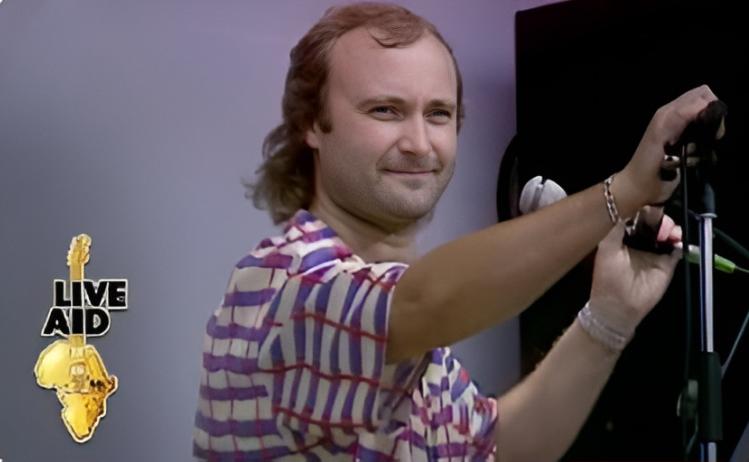
Because Live Aid reminded us that music could move more than hips. It could move hearts.
As a child watching from the outer rims of that stadium, I didn’t know what a “benefit concert” meant. I just knew the city felt electric. I knew something important was happening. That we were part of something bigger. That even if you didn’t have much—and Lord knows I didn’t—you could still show up. You could still care. You could still believe.
Ironically, the very next year, 1986, I would experience homelessness for the first time.
I knew what it meant to go without. To wonder if anyone saw you, heard you, cared. And so now, looking back, I understand Live Aid in a way I couldn’t then. It wasn’t just about Ethiopia. It was about dignity. About believing that suffering—anywhere—is everyone’s responsibility.
It taught me that charity is not a handout. It’s a handshake between souls.

In the decades since, Live Aid has inspired countless efforts—Farm Aid, Live 8, and benefit concerts for everything from AIDS to climate change. Bono and others took up the torch, proving that one voice—amplified—can become a roar.
Today, as we mark 40 years since that July afternoon, I think of the young boy I was, standing in the city that birthed both revolution and resilience. A boy who saw the world come to Philly not just for music, but for meaning. I didn’t know then that I would become a professor, an author, an advocate. But I did know that day mattered.
And it still does.
Live Aid was more than a show. It was a moment of unity in a fractured world. A reminder that while politics can divide, music can connect. It transcended borders, races, and classes—even if only for one day. Forty years later, I still believe in the power of people to do good. I believe in the magic of a microphone and a message. And I believe that somewhere out there, a young person is watching, just like I was, wondering if the world sees them.
To that child, I say: We do.
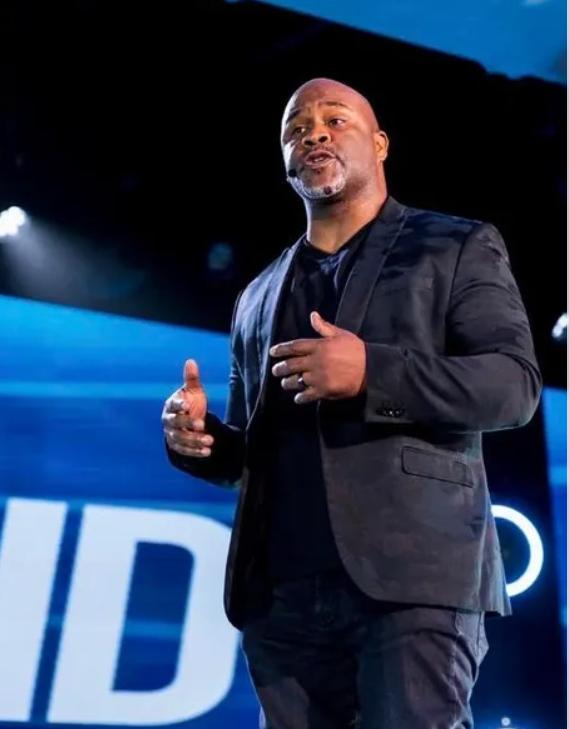
ABOUT THE AUTHOR:
Edmond W. Davis is a social historian, journalist, retired history professor, socioemotional intelligence expert, author of multiple historical texts, Arkansas’s first and only Tuskegee Airmen history textbook, and an international speaker. Davis had a role as a Shelby County Courtroom Jail Deputy on the NBC TV series Bluff City Law. He is a former director of the Derek Olivier Research Institute for the Prevention of Gun Violence. Davis is also the founder of the National HBCU Black Wall Street Career Fest and an Amazon #1 author. Get more info at https://edmondwdavis.com.
MORE NEWS ON EURWEB.COM: Deion Sanders’ Daughter Shelomi Follows Dad’s Playbook To Help Marginalized Communities
We Publish Breaking News 24/7. Don’t Miss Out! Sign up for our Free daily newsletter HERE.