*A gene therapy that may eliminate, or significantly reduce, the need for daily insulin injections is preparing to enter human trials for the first time, offering fresh hope to hundreds of thousands of type 1 diabetes patients.
According to the Daily Mail, the experimental treatment, known as KRIYA-839, works by converting a patient’s own muscle cells into a sustained source of insulin production. A single injection delivered into both thighs during a one-hour outpatient visit is all that is required, with researchers expecting the full effect to set in within two to three months. The therapy does not modify a person’s DNA, it introduces genetic instructions directly into muscle cells, enabling controlled insulin production over an extended period.
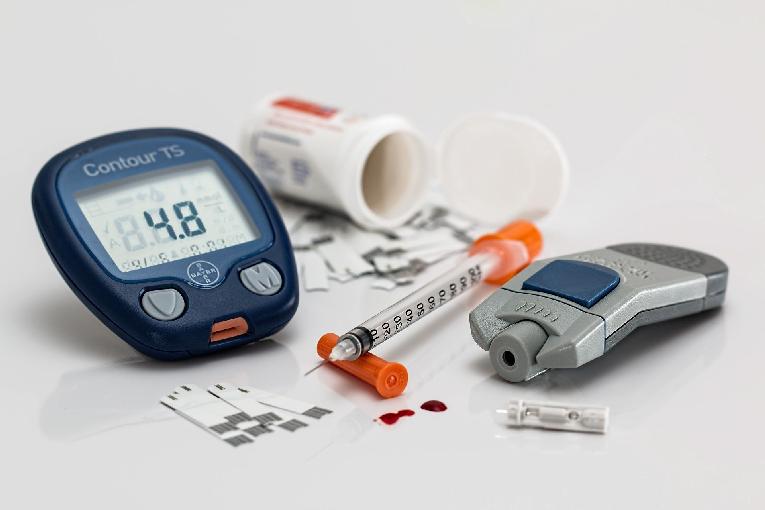
Type 1 diabetes is a chronic autoimmune condition in which the body’s immune system mistakenly attacks and destroys the insulin-producing beta cells in the pancreas, leaving the body unable to produce little or no insulin on its own. Without adequate insulin, blood sugar levels rise to dangerous levels, making lifelong management essential. Those living with the condition must monitor their blood sugar regularly and rely on daily insulin injections or an insulin pump to keep their levels in check.
Researchers will conduct a one-year trial targeting adults whose blood sugar levels remain difficult to control despite using automated insulin delivery systems. By focusing on this group, scientists can precisely measure the therapy’s insulin output and assess how consistently it maintains stable glucose levels.
Scroll to continue reading









Dr. Partha Kar, NHS England’s national speciality adviser for diabetes, described the approach as “really exciting,” adding, “If it works, it could help a lot of people.” He noted that even a partial outcome, reducing insulin needs by as much as 75 percent, would represent a meaningful shift for patients.
Still, some voices in the field are calling for measured expectations. “I tend to be cautious, so I really can’t give promises,” said Tadej Battelino, head of endocrinology at UCH-UMC Ljubljana. “Does this have a potential? Very much so.”
Even so, he left room for optimism, adding, “I’m not saying it’s a cure, but a functional cure, for sure.”
MORE NEWS ON EURWEB.COM: Dietitian Recommends Overnight Chia Oats as Top Breakfast for Diabetes Management
Sign up for our Free daily newsletter HERE