*From the heart of Times Square, a powerful cultural moment is unfolding as “Joe Turner’s Come and Gone” returns to Broadway under the direction of Debbie Allen, bringing together an all-star cast led by Taraji P. Henson and Cedric the Entertainer.
At a recent media day, the energy surrounding the production was unmistakable, with cast and creatives offering insight into a revival rooted in purpose, legacy and cultural truth.
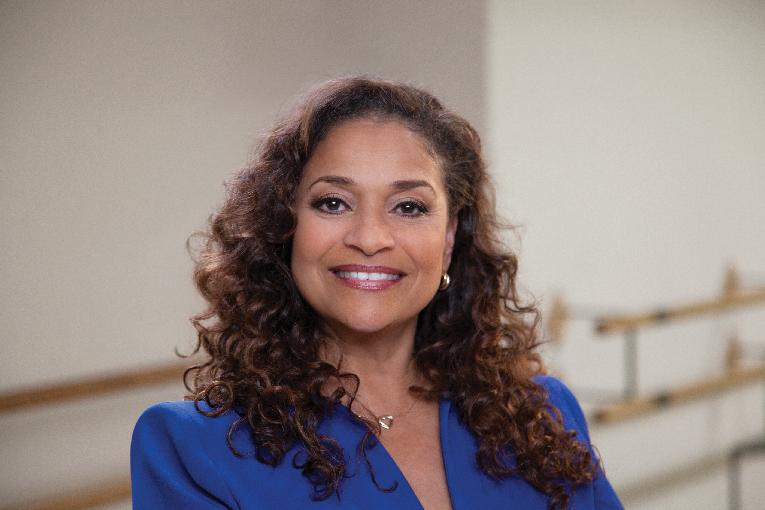
For Allen, the project represents more than just another Broadway credit. It is a deeply personal mission grounded in honoring the work of August Wilson.
“It’s so special to me, first of all, that I’m having this opportunity to take August’s favorite play and bring it to life now, right now, for audiences today,” Allen said. “Everything is an option, and I’m using my skill in all the ways that I’ve developed over the years to be truthful to this play.”
Scroll to continue reading







That commitment to authenticity extends to casting. Allen was deliberate in assembling a company that could fully embody the spirit and complexity of Wilson’s writing.
“Sometimes it’s very clear who ought to be in this play,” she said, noting that casting Henson and Cedric felt instinctive. “They both said yes. So here we are.”
The result is a production driven not only by star power, but by intention.
Wilson’s work, Allen emphasized, continues to resonate because it captures the full scope of Black life in America. “His legacy is the legacy of Black people,” she said. “Even though it’s decades, it goes back in time. It goes forward. Time stands still.”
That resonance feels especially urgent in today’s cultural climate, where conversations around identity, history and representation remain at the forefront.
“The artist’s job is to address those things which are the most challenging socially and politically,” Allen said. “The arts need to be allowed to happen without censorship.”

For Henson, stepping into the role of Bertha Holly represents both a personal and professional milestone. Having previously engaged with the play earlier in her career, she described joining this production as an undeniable calling.
“Debbie called me and said she was directing August Wilson on Broadway,” Henson recalled. “I said, ‘I’m in. Whatever you need.’”
Beyond the opportunity itself, Henson sees the production as a way to reconnect audiences with their cultural roots.
“He’s documenting our history,” she said of Wilson. “He’s reminding us who we are and where we come from. That’s why these plays still stand the test of time.”
She also hopes her presence will introduce new audiences to live theater.
“A lot of my fans don’t even know that I do theater,” Henson said. “Some of them, this will be their first play.”

For Cedric, who takes on the role of Seth Holly, the themes of the play feel deeply familiar. Drawing connections between his hometown of St. Louis and the world Wilson created, he pointed to the shared sense of community and resilience.
“It’s that close-knit family situation in a blue-collar city,” Cedric said. “People are working, transitioning, flowing through. But there’s a unity there, a respect for each other.”
That sense of community lies at the heart of the play, reinforcing its exploration of identity, belonging and shared experience.

Joshua Boone, who portrays Herald Loomis, described the process as both humbling and transformative, emphasizing that the work itself remains the central focus.
“It’s not about us,” Boone said. “It’s about the work. It’s about those words that this man wrote years ago and how they’re still relevant today.”
Boone highlighted the play’s emotional and spiritual depth, noting its ability to confront internal conflict and inspire reflection.
“I think every human at some point is at war with themselves,” he said. “To see someone at war with themselves in real time might help other people find a way out.”
For Maya Boyd, being part of the ensemble has been a defining moment. Sharing space with seasoned performers has reinforced her confidence and sense of belonging within the industry.
“To be in a room with them has been such an affirming experience,” Boyd said. “It tells me, yes, you have a place here.”
The production also carries a number of meaningful full-circle moments, from longstanding collaborations among cast members to the mentorship lineage that connects Allen and Henson.
Together, these elements create a production that feels both historic and immediate.
Ultimately, “Joe Turner’s Come and Gone” arrives at a time when audiences are searching for connection, clarity and truth. Through Wilson’s words and Allen’s direction, the revival offers all three.
As Allen put it, “We cannot go back. August will teach us to stay connected to our cultural identity, to know who we are and what’s important.”
With a cast committed to that vision, this revival stands as more than a theatrical event. It is a reflection of history, a celebration of culture and a reminder that the power of storytelling remains one of the most vital forces in shaping how we understand ourselves and each other.
From the column: Black in the Green Room By Keith L. Underwood – Follow: @mrkeithlunderwood (IG), @blackinthegreenroom (IG), YouTube, TikTok, and Facebook


(If You Like/Appreciate This EURweb Story, Please SHARE it!)
MORE NEWS ON EURWEB.COM: Deon Cole on Hosting the NAACP Image Awards: ‘Nobody’s Greater Than Anybody Else’
We Publish Breaking News 24/7. Don’t Miss Out! Sign up for our Free daily newsletter HERE.