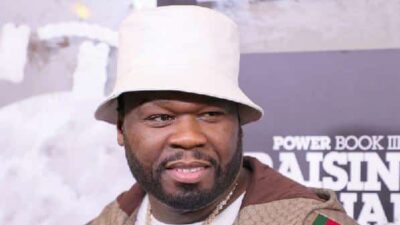
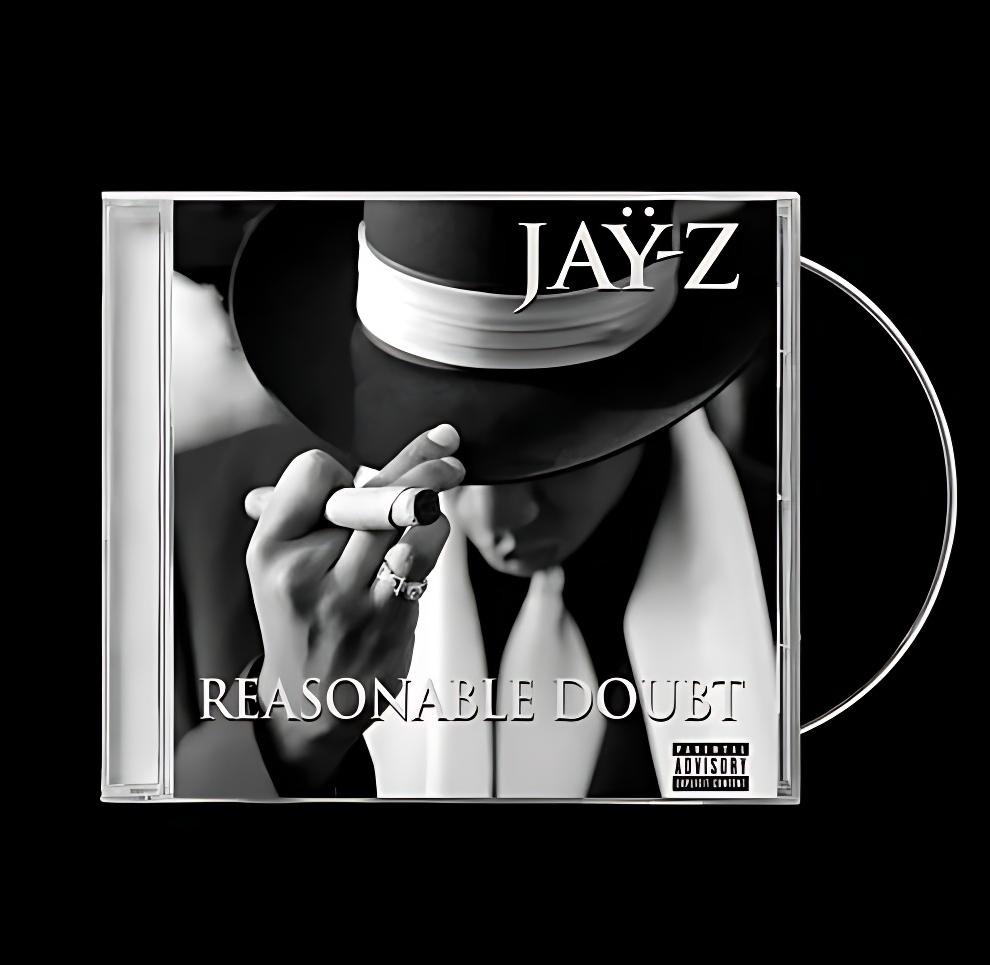
*Jay-Z is celebrating the 30th anniversary of “Reasonable Doubt,” but the rollout of the landmark album’s commemorative edition is sparking a conversation that extends far beyond hip-hop.
The Roc Nation founder has partnered with Target for an exclusive version of the classic album, a move that has reignited debate over the retailer’s relationship with Black consumers and whether ongoing boycott efforts still matter.
Beginning June 26, Target will serve as the exclusive retail home for the special collector’s edition of Jay-Z’s groundbreaking 1996 debut album. The release includes a white-vinyl edition, commemorative packaging, collectible inserts and alternate presentation elements designed for longtime fans and vinyl collectors.
While the release itself is being celebrated by many music fans, the partnership has become controversial because it comes more than a year after Target faced widespread criticism for scaling back several Diversity, Equity and Inclusion initiatives.
A Milestone Album Meets A Divided Marketplace
Few albums carry the cultural weight of “Reasonable Doubt.”
Scroll to continue reading






Released on June 25, 1996, the project introduced the world to a young Brooklyn rapper whose sharp storytelling and entrepreneurial mindset would eventually transform him into one of the most successful figures in music history.
Songs such as “Dead Presidents II,” “Can’t Knock the Hustle” and “Brooklyn’s Finest” helped establish Jay-Z as a major voice in hip-hop, while the album itself became a cornerstone of East Coast rap.
Thirty years later, the anniversary edition is being marketed as a collector’s item worthy of the album’s legacy.
For music fans, the exclusive vinyl is another opportunity to own a piece of hip-hop history.
For others, however, the retailer attached to the release has become the bigger story.

The Target Boycott Context
Target faced criticism in 2025 after scaling back several Diversity, Equity and Inclusion initiatives, a move that many activists and consumers viewed as a retreat from commitments the retailer had previously promoted regarding diversity and representation.
The backlash fueled calls for consumers to reduce or eliminate spending at the retail giant.
While the boycott was never organized by a single national group, it gained visibility across social media platforms, where many Black consumers argued that companies should be held accountable when they scale back commitments to racial equity.
Over time, the boycott’s visibility declined, but frustration among some consumers never fully disappeared.
That lingering resentment helps explain why Jay-Z’s partnership with Target has generated such strong reactions online.
Fans Clash Over the Deal
Social media reactions have been sharply divided.
Some fans view the partnership as nothing more than a standard business arrangement involving one of the most celebrated albums in hip-hop history.
Others argue that the deal sends the wrong message at a time when some Black consumers continue to avoid shopping at Target.
Critics have accused Jay-Z of undermining boycott efforts and helping direct Black consumer dollars back toward a company many believe abandoned its previous commitments to diversity initiatives.
Supporters counter that Jay-Z is not responsible for enforcing consumer boycotts and that exclusive retail partnerships have long been part of the music business.
The disagreement highlights a broader tension between business decisions and community expectations.
As one of the wealthiest and most influential figures in Black culture, Jay-Z often finds himself held to a different standard than other artists. Supporters frequently point to his advocacy for Black entrepreneurship and economic empowerment, while critics argue that those principles should extend to corporate partnerships.
More Than A Vinyl Release
Whether the controversy ultimately affects sales remains to be seen.
What is clear is that a celebration of one of hip-hop’s most revered albums has evolved into a larger discussion about corporate accountability, consumer activism and the influence of Black spending power.
For some fans, the 30th anniversary edition represents a chance to own a beautifully packaged version of a classic album.
For others, it represents a test of whether economic boycotts still carry weight when major cultural figures decide to do business with companies that remain controversial within parts of the Black community.
Either way, Jay-Z’s “Reasonable Doubt” anniversary release is generating far more conversation than a typical vinyl reissue — and much of that conversation has little to do with the music itself.
(If You Like/Appreciate This EURweb Story, Please SHARE it!)
MORE NEWS ON EURWEB.COM: Diddy Faces Lawsuit from Former Child Actor, Joe Budden Roasts Penis Size
We Publish Breaking News 24/7. Don’t Miss Out! Sign up for our Free daily newsletter HERE.