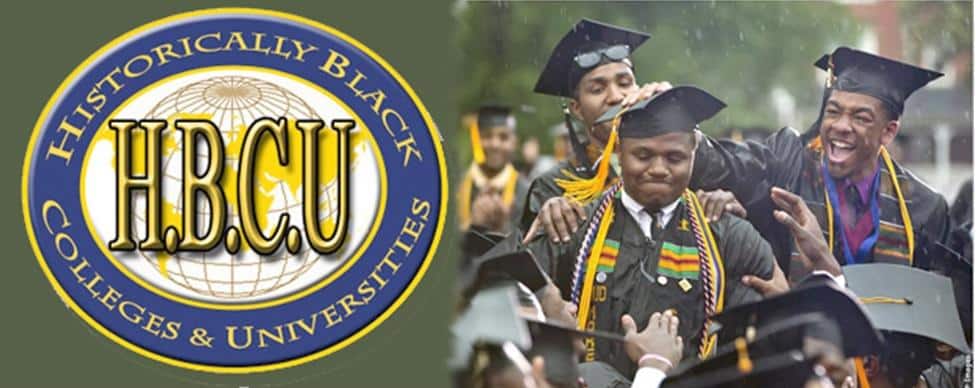
*A new Politico report reveals that the nation’s historically Black colleges and universities (HBCUs) are notably silent as the 2024 presidential campaign heats up, despite Kamala Harris and Donald Trump both pushing their track records of supporting HBCUs.
This silence, uncharacteristic of HBCU presidents who often galvanize their communities to vote, has been driven by frustration over the lack of clear policy agendas from either candidate.
As the election looms just two months away, the absence of a vocal endorsement from these influential institutions may cost Black communities a key political force.
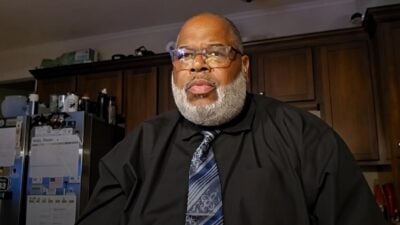
Walter Kimbrough, interim president of Talladega College, highlighted the delicate balance HBCU leaders must maintain.
“We do understand the symbolism and the historical significance of what is happening,” Kimbrough said. “But we still have real policy issues and items that we want to have addressed.”
Scroll to continue reading
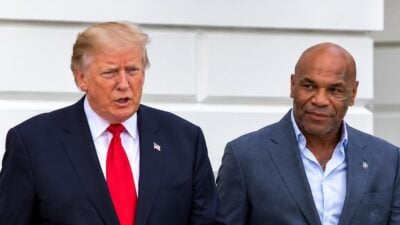
While Harris, a Howard University graduate, and member of the Alpha Kappa Alpha sorority, seems like a natural choice for HBCU leaders, the Democratic Party’s history of uneven support for Black colleges tempers their enthusiasm. President Joe Biden’s administration funneled billions into HBCUs, but earlier Democratic administrations, including Obama’s, had floated funding cuts. Trump’s presidency saw him reauthorize crucial funding for minority-serving institutions, a talking point he frequently references in his outreach to Black voters.
But the silence from HBCU presidents, including those in key swing states like Georgia and North Carolina, speaks volumes. The leaders, who often mobilize voter registration drives and oversee polling locations on campuses, have expressed concerns that the focus on personality over policy is detrimental to their ability to engage students and the community.
“The schools have an outsized influence, particularly in the South,” said Marybeth Gasman, an HBCU expert at Rutgers University. “But their leadership isn’t hearing enough concrete plans from either side.”
Though Harris hired a former HBCU president to lead her outreach efforts and credited HBCU turnout for her 2020 win, leaders are still waiting to hear a strong policy agenda that addresses the challenges their students face, such as rising tuition and student debt. As campaign rhetoric continues to lean more on personalities than policies, HBCU leaders remain in a precarious position, with their silence potentially leading to muted turnout among Black voters in a crucial election year.
MORE NEWS ON EURWEB.COM: Michael Bloomberg Donates $600 Million to Four HBCU Medical Schools