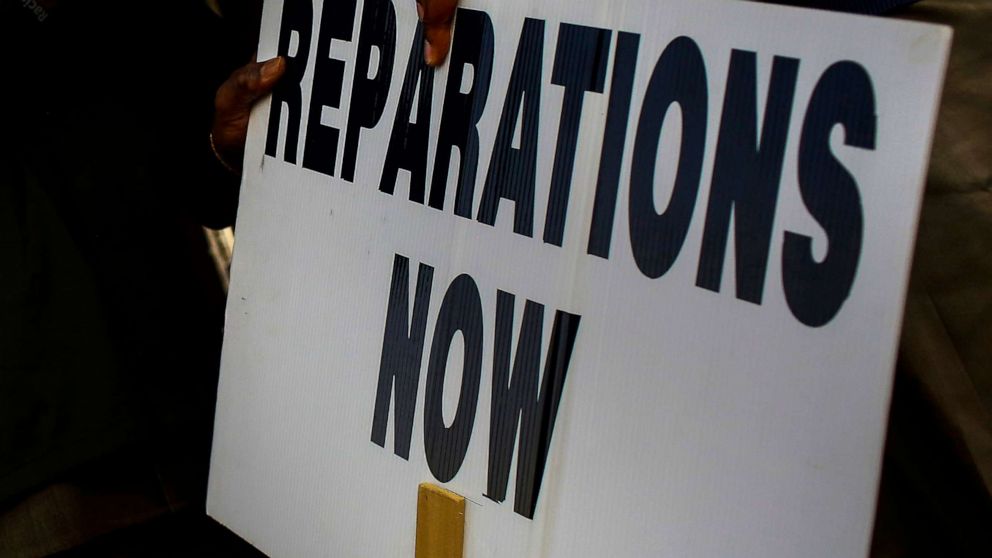
*Ghana is preparing to bring one of the world’s most consequential unresolved debates to the United Nations General Assembly.
According to The Daily Post, the country plans to submit a resolution formally recognizing the transatlantic slave trade as the “gravest crime in the history of humankind,” and opening international dialogue on reparations. If approved, it would be a historic first for the UN, which has never passed a comprehensive resolution on the slave trade in nearly 80 years.
Across Africa, efforts to address the legacy of slavery and colonialism are becoming more unified and politically organized. Within this push, African and Caribbean nations are calling for an international tribunal to adjudicate related claims.
At a recent African Union summit in Addis Ababa, African leaders signaled a more unified approach to reparations, adopting a resolution that also calls for global recognition of historical crimes. The decision highlights how reparative justice is moving to the forefront of the continent’s political priorities.
Scroll to continue reading








“Kwame Nkrumah reminded us that political independence without transforming the global systems that shape our economies and opportunities remains incomplete,” Ghana’s President John Mahama wrote in a March 22 op-ed in The Guardian.
“It is in that spirit that, this month, Ghana will table a resolution at the United Nations General Assembly calling for the formal recognition of one of the greatest moral tragedies in human history: the transatlantic trafficking and enslavement of Africans as a crime against humanity, and the need for a process of repair,” he added.
Efforts to quantify colonial harm are also gaining traction. Sudanese international law specialist Dr. al-Tayeb Abdul Jalil developed a “reparations map” estimating debts owed by former colonial powers, including hundreds of billions to trillions of dollars across several African nations.
European governments have largely responded cautiously, often prioritizing the return of cultural artifacts over financial reparations. France’s Senate recently passed draft legislation to simplify the return of colonial-era objects to Mali, Algeria, and Benin. However, many argue that cultural restitution alone cannot address the deeper economic and political damage of colonial rule.
Algeria has taken a more direct legal approach, passing a law classifying French colonial actions from 1830 to 1962 as state crimes and banning their public glorification.
MORE NEWS ON EURWEB.COM: ‘A Promise Kept’: California Establishes First-in-the-Nation Reparations Agency | Video
Sign up for our Free daily newsletter HERE