*When it comes to helping children succeed in school, food is just as important as books, teachers, or technology.
Across the country, more states are learning that providing free meals for every student can change lives and improve education in powerful ways.
California is leading the way with its groundbreaking School Meals for All program.
A study from UC Berkeley found that 84 percent of California teachers believe students do better in class when every child has access to healthy meals.
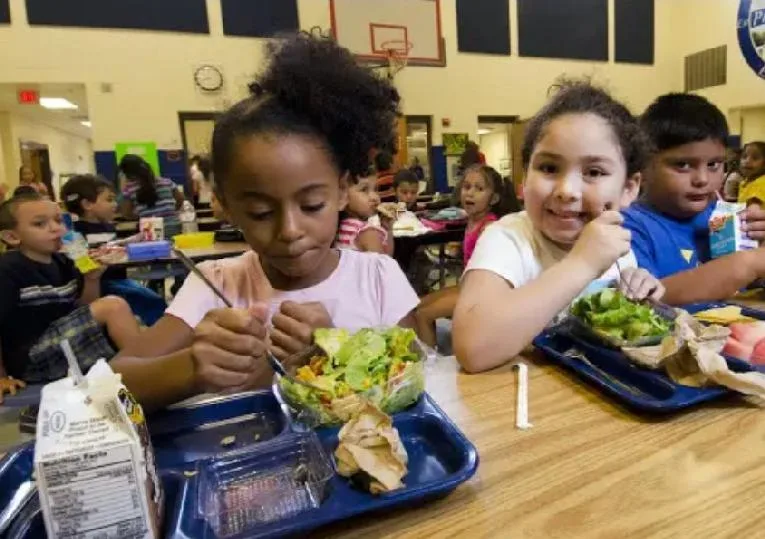
For many students, the breakfast and lunch they eat at school make up nearly half of what they eat each day. When children are well-fed, they focus better, behave better, and enjoy learning more.
Scroll to continue reading









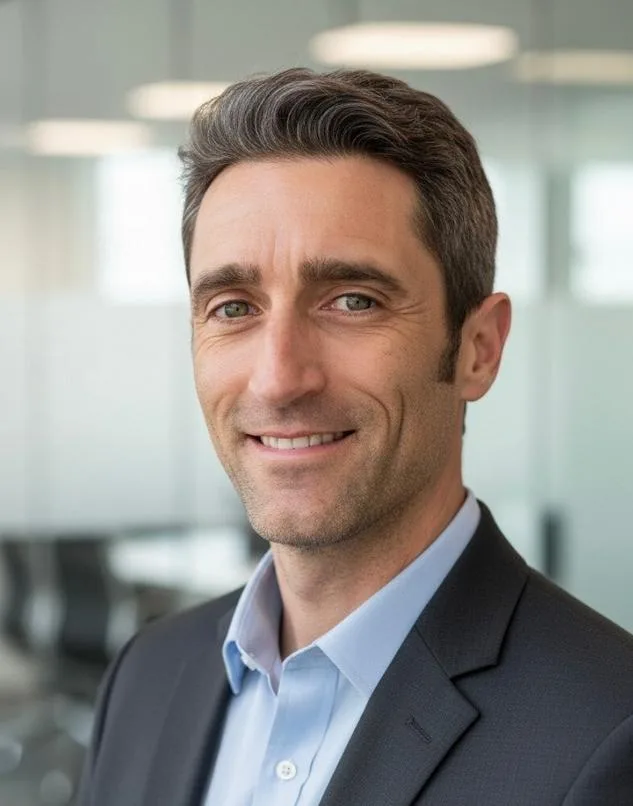
The idea behind the program is simple. Hungry kids cannot learn. But the results go far beyond nutrition. Adam Kesselman, Senior Advisor at the Office of Kat Taylor, explained that food itself is a teacher. He said that universal school meals not only fuel learning, they also expand it by connecting students to culture, science, and the environment.
The organization, led by philanthropist Kat Taylor, focuses on equality, social justice, and environmental well-being to create a better future for communities.
California’s free meal program has already made a visible difference. More students are eating at school, and the stigma about who can afford lunch has disappeared.
Every student now gets in the same lunch line. No one knows who pays or who does not. It is just kids eating together, laughing, and enjoying their meals. That sense of togetherness is exactly what the program was meant to create.
Teachers are seeing the change too. Students are more alert, more focused, and more engaged in the classroom. The program is doing more than filling stomachs. It is building confidence, equality, and community.
Since 2021, California has invested more than six billion dollars to improve school kitchens, support local farms, and train food service workers. Nearly one billion meals are served every year across one thousand school districts.
Before this program began, school meals were divided into three levels of payment: free, reduced-price, and full price. About 60 percent of students qualified for free or reduced meals, but many avoided them because they did not want to be labeled poor.

Kesselman said that California was the first state to create a truly free meal program for every student. That move has made the state a national leader in building policies that strengthen families and communities.
Many schools now serve meals that taste just as good as what is found in restaurants.
Menus highlight California’s cultural diversity and include fresh ingredients from local farmers.
Behind every plate are farmers, cafeteria staff, and teachers working together to give students the best start possible. When children eat well, they stay in school, focus better, and perform at higher levels.
Schools that treat mealtime as a shared moment of connection are seeing happier students and better attendance.
Healthy children learn better, and when they learn better, entire communities grow stronger. The universal meal program helps every child feel equal and included, no matter their background.
California’s success is inspiring other states. Eight have already started similar programs, and more than twenty are considering them.
By investing in local farms, school staff, and better kitchen facilities, California is showing that feeding students well is a smart investment in the future.
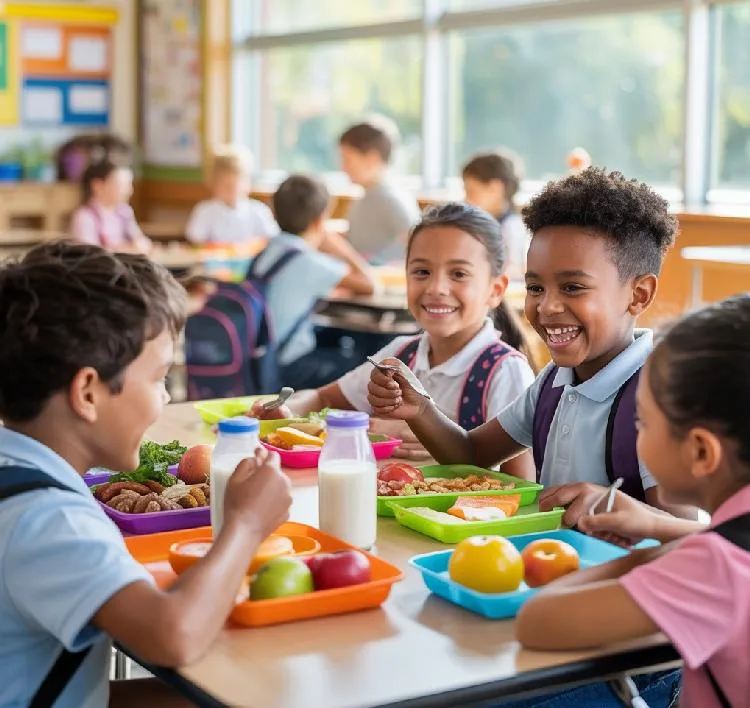
Participation in school meals is increasing, the stigma is disappearing, and cafeterias are turning into welcoming spaces where students enjoy nutritious food and a sense of belonging.
Some people question the cost, but supporters say this investment pays off in the long run.
Teaching children to eat healthy foods now helps prevent health problems like obesity and diabetes later in life.
That means fewer medical bills and healthier communities. For example, Massachusetts found that its free meal program costs 172 million dollars a year but saves 152 million dollars in healthcare and productivity costs.
Experts say this proves that investing in children early leads to lifelong benefits. Healthy kids grow into healthy adults, and healthy adults build stronger communities.
In the end, free school meals are about more than food.
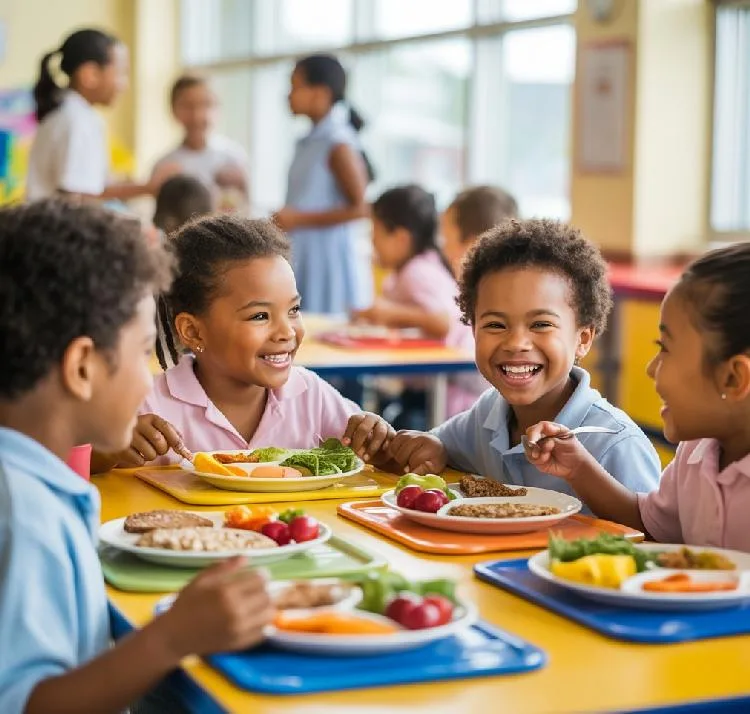
They are about the future. By feeding children today, we are creating healthier, smarter, and more equal generations for tomorrow.
As Kesselman said, when every child has access to good food, every child has a better chance to thrive.
Advocates are encouraging parents, educators, and community members to join or start School Meals for All campaigns in their states.
They can learn more and find local initiatives at frac.org/healthy-school-meals-for-all.
Engaging with legislators and sharing success stories can also help expand the movement nationwide.
MORE NEWS ON EURWEB.COM: Margaret Avery on ‘Riverbend’, Persistence, and the Long Road Back to the Big Screen | EURexclusiveWATCH
We Publish Breaking News 24/7. Don’t Miss Out! Sign up for our Free daily newsletter HERE.