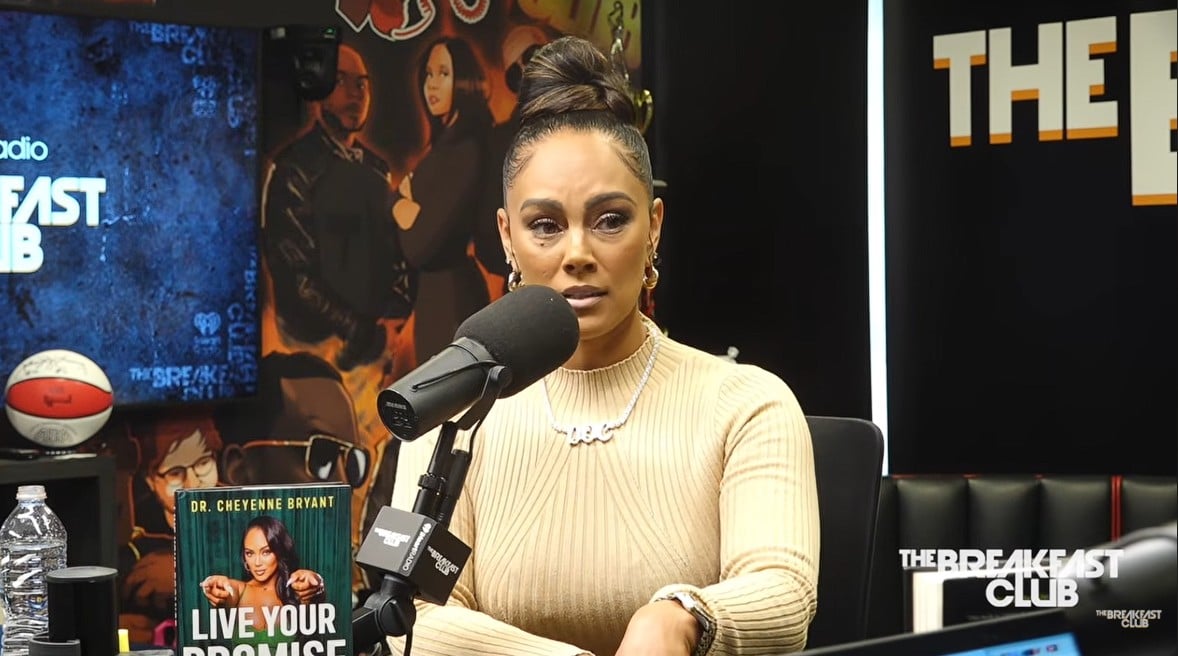
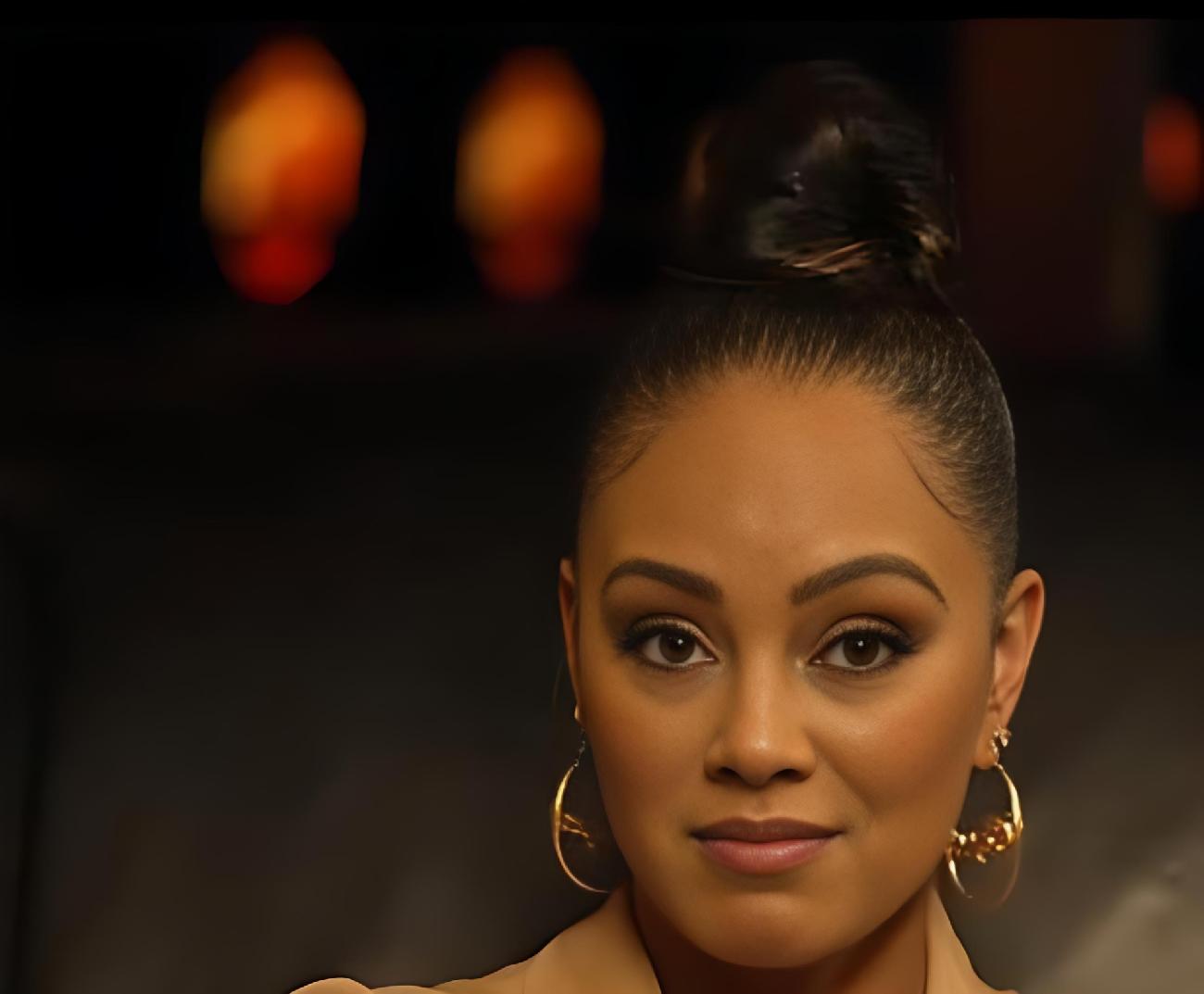
*Dr. Cheyenne Bryant is drawing attention after criticizing what she sees as one of the most harmful trends within the Black community: Black people attempting to cancel other Black people.
During a recent interview with The Neighborhood Talk at the Hollywood Unlocked Impact Awards, the mental health professional was asked what she most hopes will stop happening by 2026. Bryant immediately pointed to what she described as a growing tendency for Black people to target one another publicly rather than unite around larger issues.
Her comments quickly generated discussion online, particularly after she used Chris Brown as a high-profile example of someone who has continued to thrive despite years of criticism and calls for his cancellation.
A Call for Grace and Unity
Speaking with The Neighborhood Talk, Bryant made it clear that she believes cancel culture creates more division than progress.
“Black people trying to cancel Black people: I think that is disgusting. I think it’s sick. I think that is just a representation of jealousy and enviousness,” Bryant said.
Scroll to continue reading




She also framed the issue through a spiritual lens, arguing that public condemnation often runs counter to the values many people claim to uphold.
“I think it is, for folks who believe in God, it’s not Christ-like. I think it creates a deeper division between us.”
Rather than directing energy toward one another, Bryant said communities should focus on issues that produce collective benefits.
“Those bigger things that we can get together and cancel: that can benefit us collectively, and those things are not each other.”
Her comments reflect a growing debate about whether online callouts and public shaming help communities address problems or simply deepen existing divisions.
Why Chris Brown Was Her Example
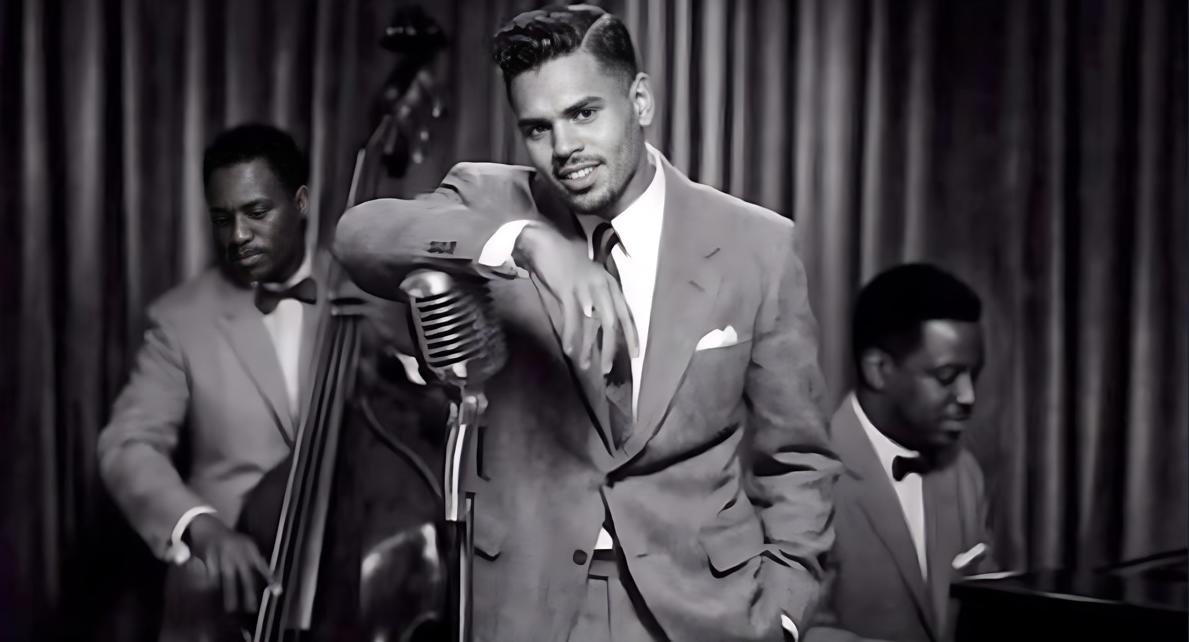
Bryant cited Chris Brown as evidence that cancel culture does not always achieve its intended goals.
“Even with them trying to cancel everybody: Chris Brown’s one of ’em. Didn’t work,” she said.
“My boy’s selling out tours. He done got his masters, his doctorates. He’s spending time with his kids and his family. He’s living.”
Brown has remained one of the most commercially successful R&B artists in music despite years of controversy. In recent years, he has continued to release charting music, sell out arenas, and collect industry accolades. His latest album, “BROWN,” debuted in the Billboard 200’s Top 10, while his Breezy Bowl XX tour reportedly became the highest-grossing tour by a solo Black American male artist.
For Bryant, those accomplishments demonstrate that audiences often make their own decisions regardless of public campaigns aimed at sidelining a celebrity.
A Personal Layer to the Conversation
Bryant’s comments arrive amid scrutiny she has faced regarding questions about her academic credentials and professional qualifications. Critics have challenged aspects of her educational background in recent years, leading some observers to view her stance on cancel culture through a more personal lens.
While Bryant did not mention those controversies during her interview, some social media users have suggested that her own experiences with public criticism may influence how she views cancellation and accountability. Others argue that her position is consistent with the messages of healing, personal growth, and community unity she frequently promotes.
Because Bryant did not directly connect her comments to the criticism she has faced, any link between the two remains speculative. Still, the context has become part of the broader conversation surrounding her remarks.
Critics Emphasize Accountability
Not everyone agrees with Bryant’s position.
Many critics argue that discussions about Chris Brown cannot be separated from the domestic violence case that altered public perception of him early in his career. Others contend that public criticism and social consequences are not the same as cancel culture and can serve as legitimate forms of accountability.
Some commenters also pushed back against the notion that Black public figures should automatically receive support because of shared racial identity. In their view, loyalty should be earned through actions rather than assumed.
Another point of disagreement involves whether Brown was ever truly canceled in the first place. Some social media users argue that his sustained popularity proves he was never broadly rejected by his core audience. If he continued selling records, filling arenas, and winning awards, they argue, then cancellation efforts were largely ineffective.
The Debate Continues
Bryant’s comments have reignited a familiar cultural conversation about redemption, accountability, and forgiveness.
Supporters see her remarks as a call for grace and unity within the Black community. Critics view them as an oversimplification of complex issues involving celebrity behavior and public responsibility.
Bryant ultimately ended her argument with a message centered on compassion.
“He deserves grace,” she said. “And everybody does.”
Whether people agree with her or not, the discussion surrounding her comments underscores an ongoing debate that extends far beyond Chris Brown: when should accountability end, and when does grace begin?
(If You Like/Appreciate This EURweb Story, Please SHARE it!)
MORE NEWS ON EURWEB.COM: Grammy-Winning Songwriter Talay Riley Killed in London Stabbing at 35
We Publish Breaking News 24/7. Don’t Miss Out! Sign up for our Free daily newsletter HERE.