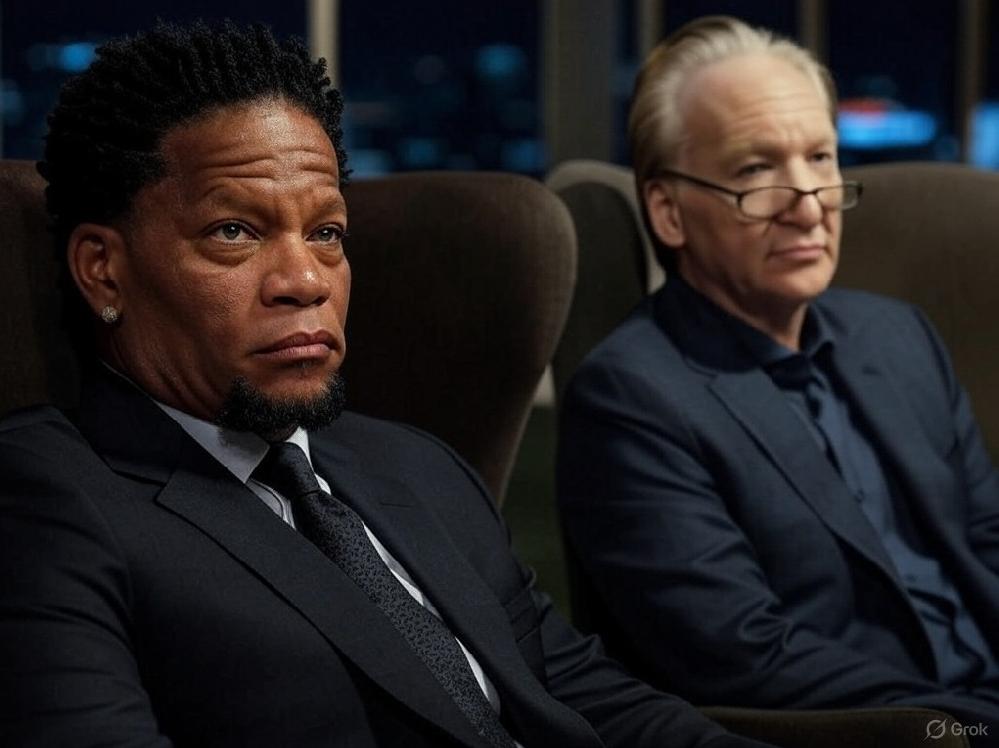
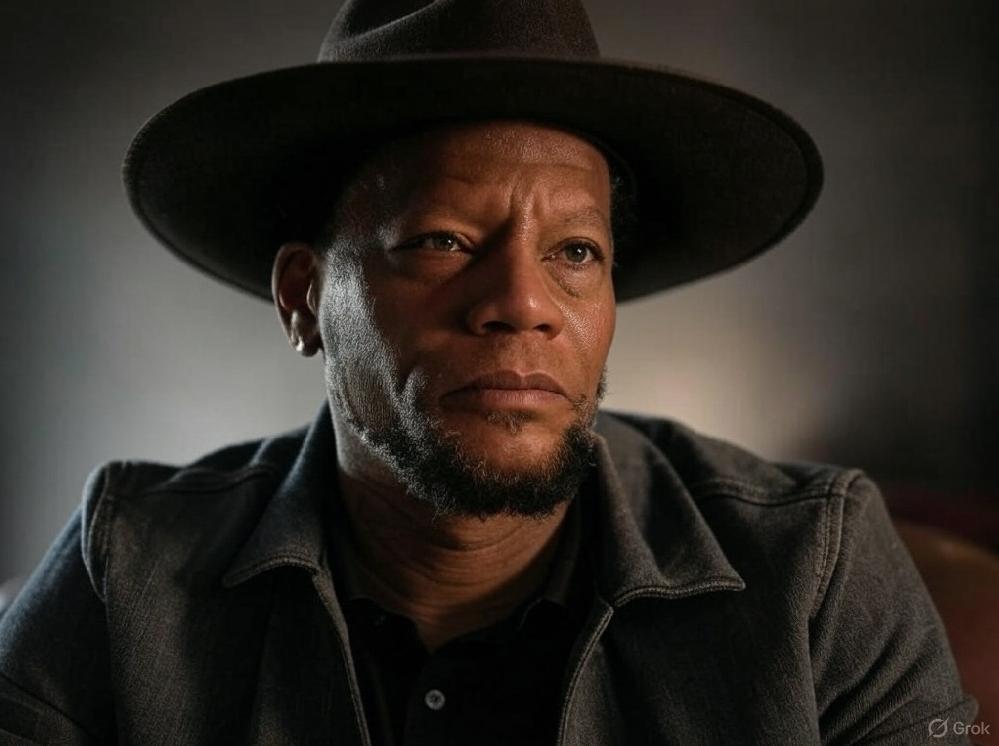
*In a recent interview on TMZ Live, D.L. Hughley expressed frustration with Bill Maher. Hughley took issue with Maher’s visit to the White House and his views on social issues like “wokeness.” Hughley’s statement was powerful and clear: “I resent that my history is being dismantled at the behest of people like Bill Maher and I take it personally.”
The Background of Hughley’s Resentment
Hughley’s frustration is rooted in several key points.
Maher’s Anti-Woke Stance
Hughley believes Maher is a significant voice in the “anti-woke” movement. Hughley feels this stance undermines efforts to tackle systemic inequalities, especially for Black Americans. Hughley suggests that Maher’s views align with Donald Trump’s rhetoric, which he finds dismissive of Black struggles. While Maher often mocks what he considers excessive political correctness, Hughley sees this as undermining efforts to highlight Black history and achievements.
Scroll to continue reading


The Erasure of Black History
Hughley’s quote highlights the feeling that Black history is being devalued. Hughley explains, “I resent the fact that Woke was taken over by the left. It was Black people dealing with being aware of their circumstances and being aware of what is going on around them.” He suggests that Maher’s criticism of “woke” culture challenges efforts to amplify Black history, such as teaching about Harriet Tubman or addressing uncomfortable truths about the past.
Privilege and Neutrality
Hughley contrasts his experiences with Maher’s, saying Maher can afford to be “glib” or “neutral” about issues that don’t affect him. Hughley sees Maher and other influential figures as minimizing the struggles of marginalized groups. This reinforces a system where achievements by these groups are dismissed as unearned.
White House Visit Sparks Controversy
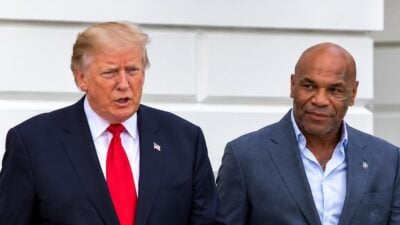
Hughley’s comments were sparked by Maher’s meeting with Trump. Hughley called it “transactional” and felt it lent legitimacy to a figure whose policies he views as harmful to Black communities. This added to his resentment, suggesting Maher was complicit in a cultural pushback against Black progress.
Why Hughley’s Words Matter
Hughley’s quote reflects broader concerns about who controls historical narratives. History isn’t just facts; it’s shaped by those in power. Hughley’s reference to “my history” likely points to the Black American experience. Efforts to highlight figures like Harriet Tubman are seen as reclaiming history.
Yet Maher’s critiques can feel like a push to keep a whitewashed version intact. For Hughley, this isn’t just academic; it’s personal.

Maher’s Perspective on the Debate
Maher might argue he’s not dismantling anyone’s history. He supports truth but questions what he sees as dogmatic narratives. On Real Time, he has praised aspects of “woke” awareness but criticized its extremities.
Maher might say he’s defending free inquiry, not erasing Black history. However, Hughley’s point is that Maher’s platform amplifies critiques that might feel dismissive to those trying to voice their stories.
Broader Cultural Implications
The clash between Hughley and Maher mirrors larger debates. How do we balance historical truth with modern values? When curriculums change or statues come down, are we dismantling false narratives or erasing shared history? Hughley’s quote suggests Maher, as a wealthy, influential figure, is tipping the scales unfairly. His mention of a “whites only” sign evokes a system prioritizing one group’s perspective over others’.
Maher’s Actions and Statements
Maher’s visit with Trump, arranged by Kid Rock, was pivotal for Hughley. On the 04-11-25 episode of his HBO show, Real Time, Maher described the meeting as “gracious and measured,” saying he wanted to see Trump up close instead of criticizing from afar. Hughley saw this as Maher aligning with a figure who harms Black communities. Additionally, Maher has criticized efforts to rewrite history as “woke” ideology. In a segment titled “Guilt by Civilization,” Maher mocked land acknowledgments, suggesting they oversimplify history. Hughley probably sees this as part of a pattern where Maher discounts efforts to highlight Black history as “woke” excesses.
Redefining “Woke”: A Black Movement
Hughley was particularly upset with Maher’s role in the “anti-woke” movement. Hughley explained, “I resent the fact that woke was taken over by the left. It was black people dealing with being aware of their circumstances and being aware of what is going on around them.” Maher, in various 2025 episodes, has linked “woke” policies to political losses, arguing they alienate voters. While not directly about history, Hughley sees Maher’s critiques as dismissing Black awareness and efforts to reclaim history.
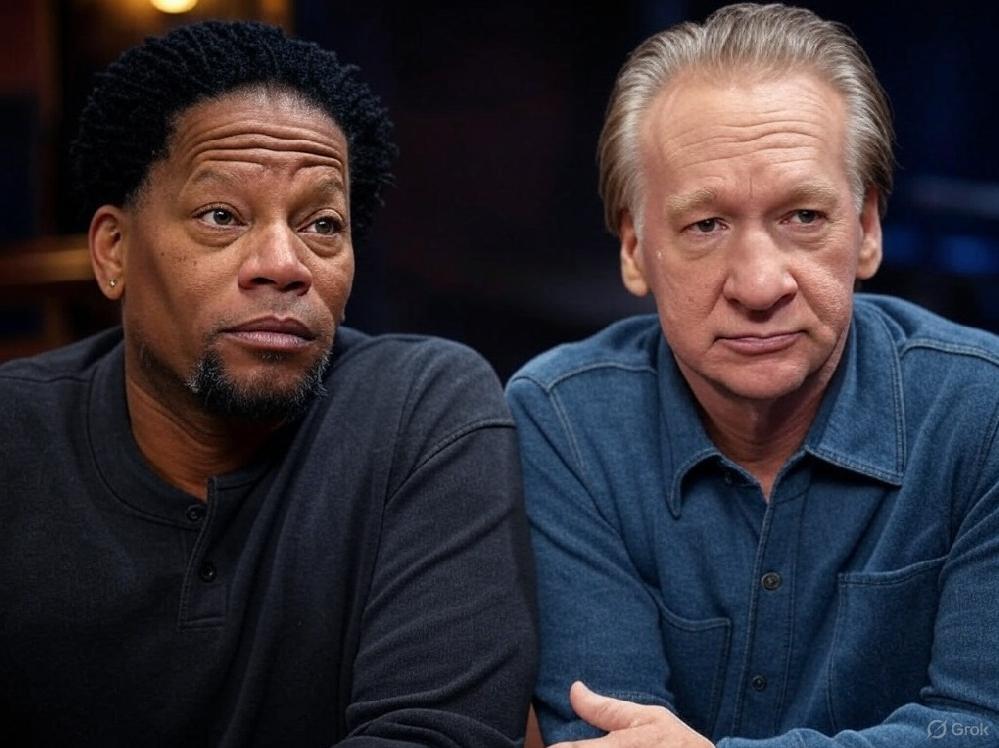
Reflecting on the Debate
The debate between D.L. Hughley and Bill Maher highlights important cultural discussions about representation, history, and who controls the narrative. Hughley’s comments underscore the tension between keeping history intact and correcting past oversights. For him, it’s a personal fight tied to identity and justice.
In contrast, Maher might view his stance as advocating for open dialogue, but to many like Hughley, it seems dismissive of genuine efforts to recognize and amplify marginalized voices. This debate asks us to consider how we frame historical and societal discussions and whose voices are prioritized.
RELATED NEWS ON EURWEB.COM: Bill Maher Warns Democrats Could Lose Election Due to ‘Outdated Racial Pandering’ | Video
We Publish Breaking News 24/7. Don’t Miss Out! Sign up for our Free daily newsletter HERE.