A federal lawsuit filed on April 2 (2026) challenges the legality of a long-running scholarship program that explicitly limits eligibility to Black students. The case could have major implications for race-based scholarships nationwide.
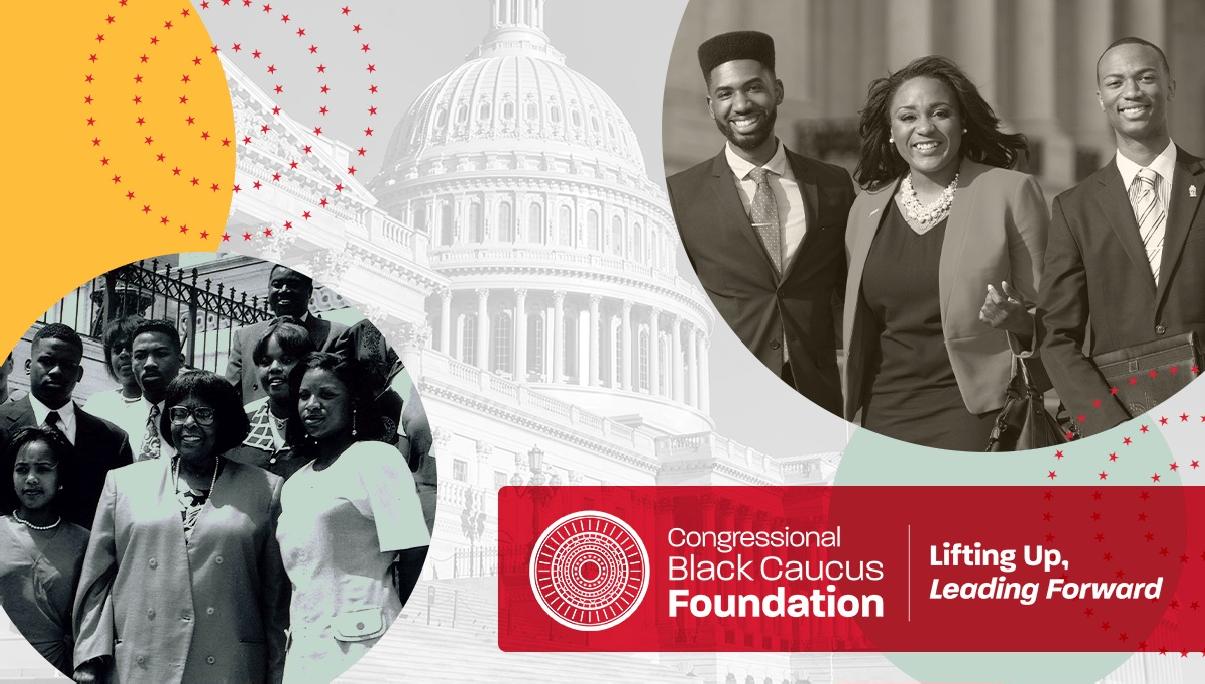
The American Alliance for Equal Rights (AAER) filed the complaint in the U.S. District Court for the District of Columbia against the Congressional Black Caucus Foundation (CBCF).
What the Lawsuit Alleges
The suit targets the CBC Spouses Education Scholarship, a program the CBCF has operated since 1988. The scholarship awards money to students pursuing undergraduate, graduate, or doctoral degrees. To date, the foundation has distributed over $11 million through this program.
The program explicitly restricts eligibility to “African American or Black” students who reside in or attend school in a congressional district represented by a member of the Congressional Black Caucus (CBC).
AAER claims this violates 42 U.S.C. §1981 (the Civil Rights Act of 1866), which prohibits racial discrimination in the making and enforcement of contracts. Scholarships are treated as contractual arrangements under this statute.
Scroll to continue reading








The complaint argues three main points:
The explicit race limitation excludes non-Black applicants outright.
The geographic tie to CBC districts functions as a racial proxy, since CBC membership is limited to Black members of Congress.
This constitutes unlawful racial discrimination against white, Asian, Hispanic, and other non-Black students, regardless of need, merit, or background.
The Foundation’s Defense
The CBCF describes the program as addressing educational disadvantages in underfunded schools within majority-Black districts served by CBC members. Approximately 300 scholarships are awarded annually out of roughly 3,000 applicants.
The foundation has not yet issued a detailed public response to the lawsuit. Historically, it has defended its race-conscious programs as targeted responses to persistent disparities in educational access for Black students.
Background and Legal Context
The Congressional Black Caucus (CBC) is a group of Black lawmakers, currently around 49 members, focused on issues affecting Black communities. The CBCF is its affiliated 501(c)(3) nonprofit that runs scholarships, internships, and fellowships.
The CBCF website and materials openly state the racial eligibility criteria for this and some other programs. It positions itself as a non-partisan equal opportunity organization overall, but specific scholarships have race-based limits.
This lawsuit fits a pattern following the 2023 Supreme Court affirmative action decisions, which struck down race-based college admissions. Since then, groups like AAER (led by Edward Blum), Do No Harm, and others have challenged race-explicit programs in scholarships, hiring, and contracting.
Similar cases have targeted university and nonprofit scholarships limited to “underrepresented minorities” or specific racial groups.

What’s at Stake Legally
The case is newly filed. No court ruling has been issued yet. Legal outcomes will likely turn on two questions:
First, whether §1981 applies strictly to bar explicit racial preferences in private nonprofit scholarships, even those aimed at remedying historical disadvantages.
Second, how courts view the “racial proxy” argument about CBC districts. If the geographic requirement effectively limits scholarships to Black students because CBC members are all Black, does that violate civil rights law?
Broader National Debate
This lawsuit is part of larger national debates over race-conscious programs. One view sees them as necessary to counteract systemic inequities and underfunding in certain communities. The other view holds that any explicit racial exclusion is unconstitutional or illegal discrimination that violates color-blind principles under civil rights laws.
The lawsuit does not challenge need-based or merit-based aid open to all races. It only targets programs that explicitly limit eligibility by race.
Online Reactions
On LipStick Alley, reactions have been sharp. One user wrote: “Yeah, the powers that be want to get rid of all race-based scholarships and grants that benefit black people.”
Another offered strategic advice: “Black people need to start learning how to ‘talk about race’ without mentioning race. White people are masters of this. Interviews, names, schools, organizations — all those things can racialize someone as black.”
The Bottom Line
The CBCF has not yet filed a formal response. No court ruling has been made. But this case is almost certainly headed for appeal, regardless of the initial outcome. Given Edward Blum’s track record — including the Supreme Court case that ended race-based college admissions — this lawsuit could reach the nation’s highest court.
For now, the CBC Spouses Education Scholarship remains active. But its future is very much in doubt.
(If You Like/Appreciate This EURweb Story, Please SHARE it!)
MORE NEWS ON EURWEB.COM: Another Setback! Eleventh Circuit Halts Fearless Fund’s Grant Program for Black Women in Landmark DEI Case | VIDEO
We Publish Breaking News 24/7. Don’t Miss Out! Sign up for our Free daily newsletter HERE.