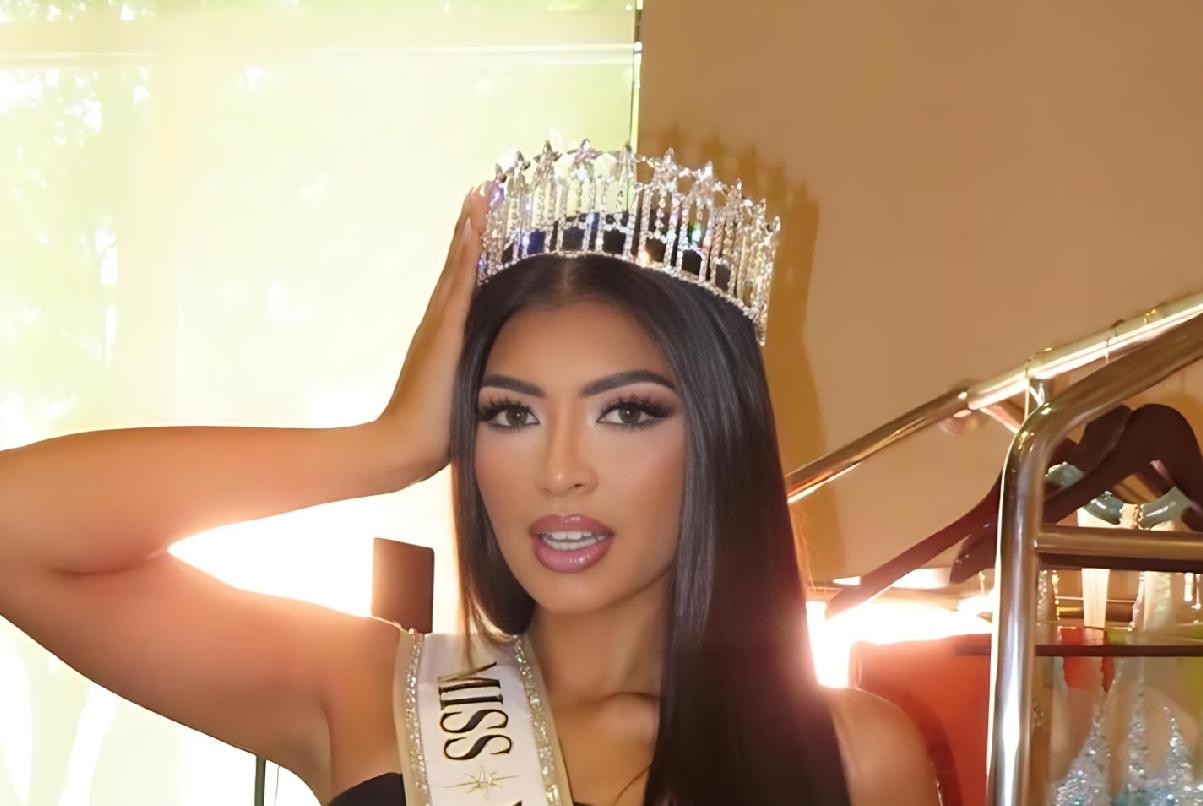
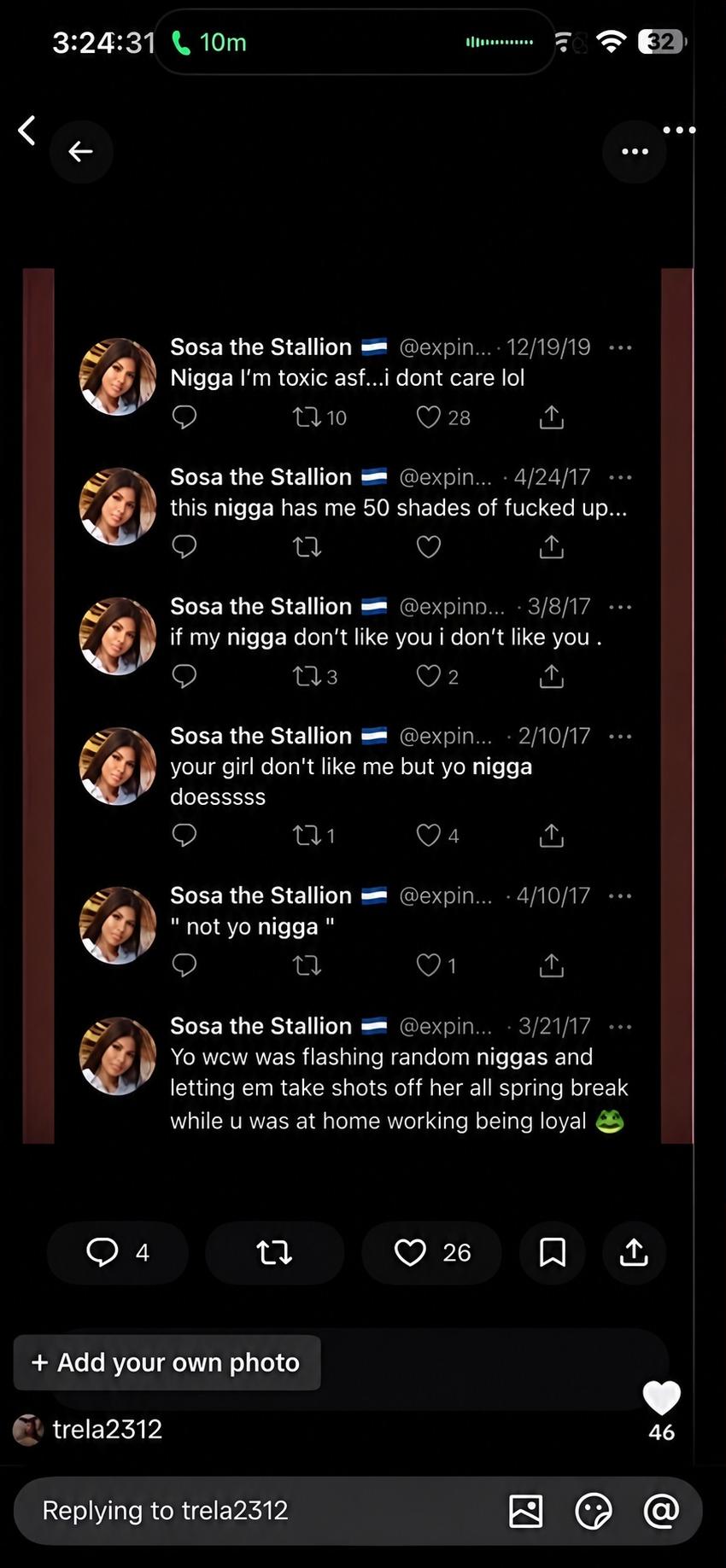
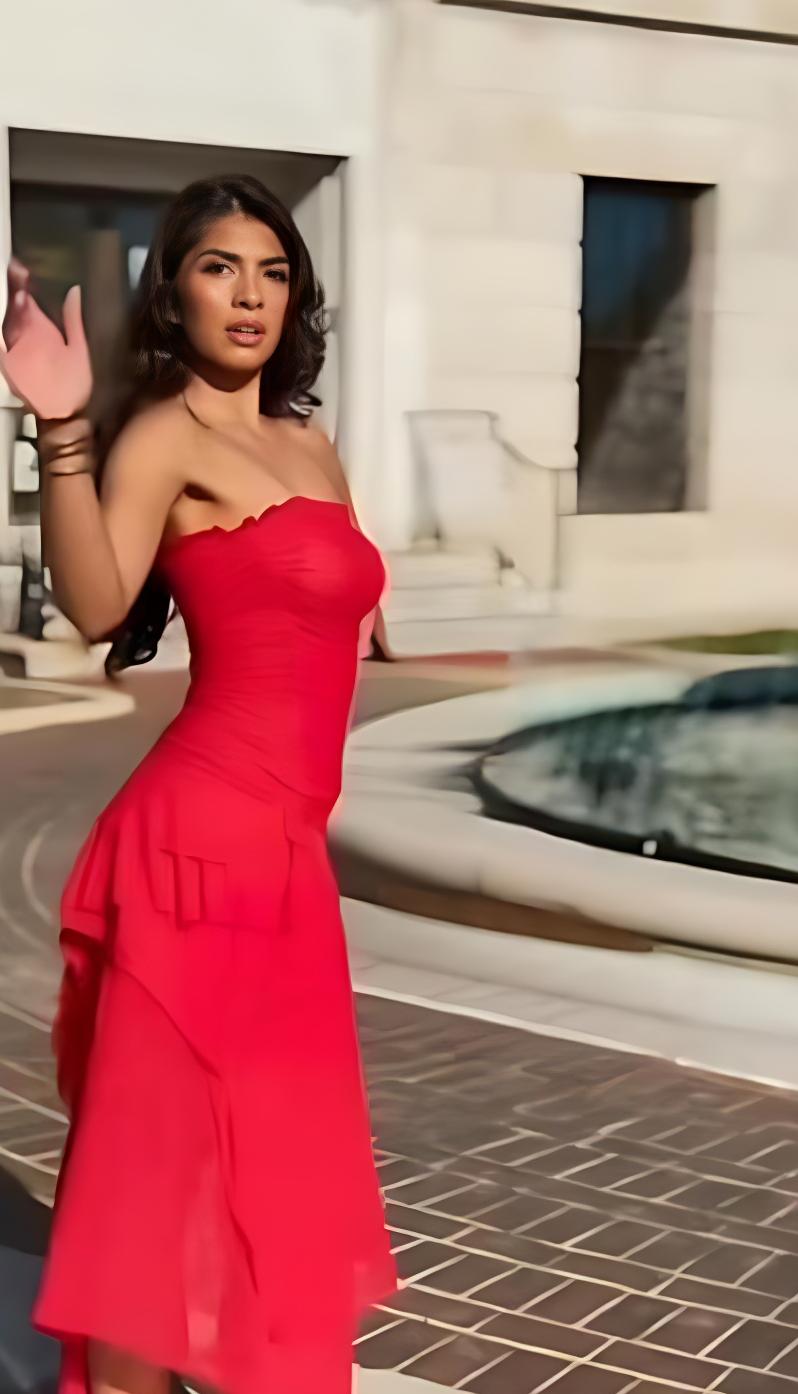
*Brittany Boltinhouse, who is now the former Miss North Carolina USA, isn’t apologizing for her past use of the N-word, even after losing her crown — and her argument that the First Amendment protects her right to express herself leaves out a crucial distinction: free speech doesn’t necessarily mean consequence-free speech.
“I’m not at all” sorry, Boltinhouse told the Daily Mail when asked directly about using the racial slur in old social-media posts.
“It’s your First Amendment right to express yourself,” she said.
Those words move the story beyond the old posts. Boltinhouse isn’t simply arguing that something she said years ago shouldn’t define her today. She’s now publicly defending her right to have said it while rejecting the idea that she owes an apology.
And that’s where her defense runs into a problem.
Scroll to continue reading


Free Speech Doesn’t Mean Consequence-Free Speech
The First Amendment generally restricts government action against protected speech. It ordinarily doesn’t require private organizations to honor another person’s claimed free-speech rights, as explained by the Constitution Annotated maintained by Congress.gov.
There are circumstances in which private conduct can legally qualify as government action, but nothing publicly established about Boltinhouse’s dispute currently demonstrates such an exception.
That doesn’t mean she has no potential legal case. Her attorney has threatened legal action, and any contractual claims would depend on facts and agreements that aren’t public.
But having a constitutional right to say something and having a constitutional right to keep representing a private organization afterward are two different propositions.
Boltinhouse’s argument also leaves out the people on the receiving end of the language. A constitutional right to utter a racial slur doesn’t require Black Americans to regard its use as harmless — or require a private organization to make the speaker one of its public representatives.
That’s the difference between free speech and consequence-free speech. The Constitution protects the former; it does not promise the latter.
‘Past Mistakes’ Meet a Present-Day Defense
Boltinhouse’s latest position is especially striking because she previously framed the controversy around personal growth and wanting to be judged for who she is today rather than past mistakes, as People reported.
Now she says she is “not at all” sorry.
People can change, but saying she’s “not at all” sorry complicates a defense built around personal growth.
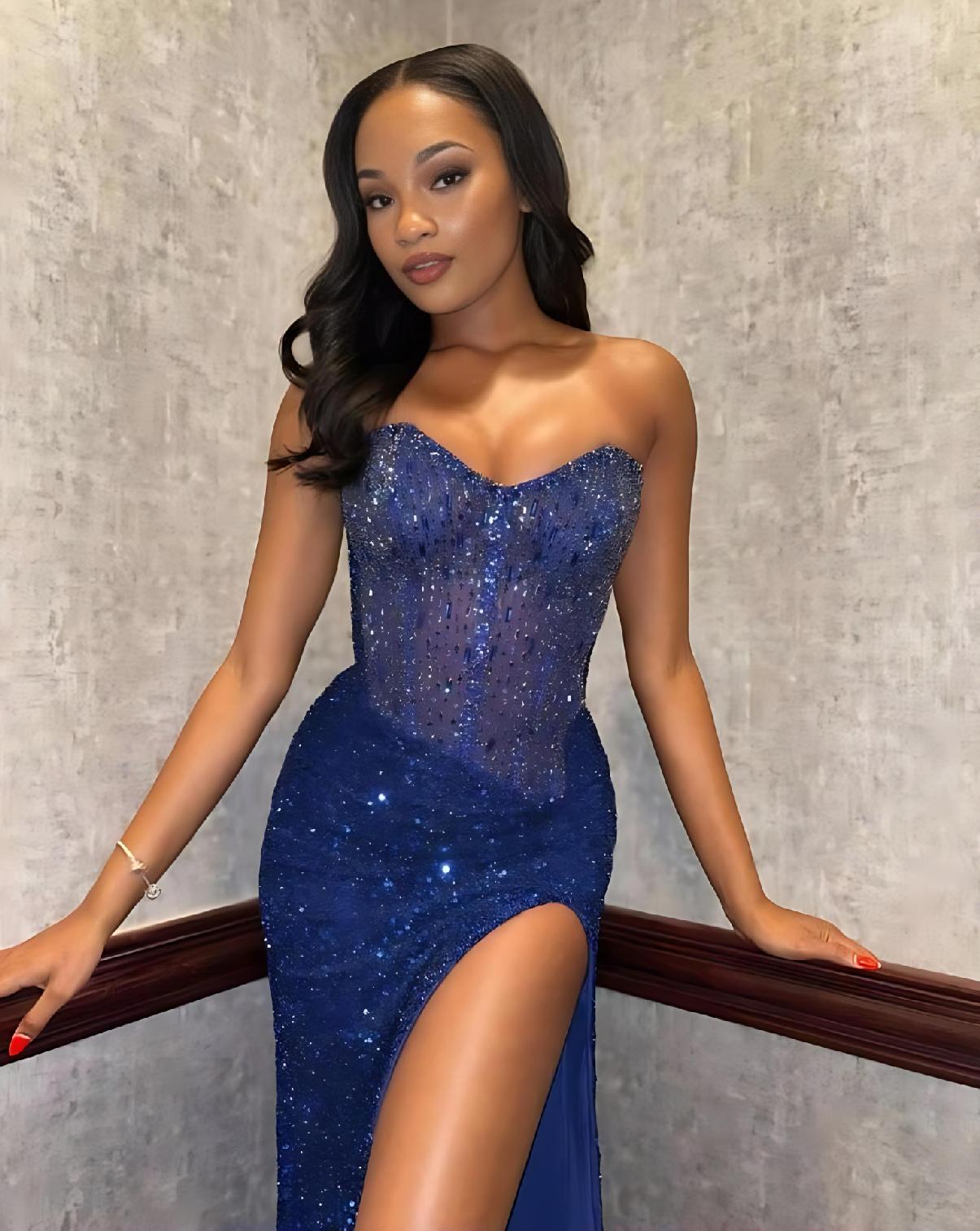
As EURweb previously reported, first runner-up Myla Hadley assumed the Miss North Carolina USA 2026 crown following Boltinhouse’s removal and is set to represent North Carolina at Miss USA.
Miss USA and Boltinhouse Tell Different Stories
Miss USA has not publicly said Boltinhouse was removed solely because of one post containing the N-word.
The organization has described its decision more broadly, saying her removal followed conduct that violated its standards over an extended period. Miss USA CEO Thom Brodeur has emphasized standards involving dignity and inclusion and opposition to racism, homophobia and transphobia.
Boltinhouse has offered a different explanation. She alleges that her conservative political views and Christian faith played a role in her removal.
Her attorney, Patrick Mincey, has threatened legal action and characterized the controversy as “cancel culture,” The Guardian reported. Pageant representatives dispute the allegation that Boltinhouse was removed because of her politics or religion.
No court has ruled on those competing claims.
What She’s Defending Now Matters
Boltinhouse can argue that old social-media posts shouldn’t define her forever. She can contest the pageant’s decision and pursue whatever legal claims her attorneys believe the evidence supports.
She can also invoke free speech.
But her latest interview exposes the weakness in using the First Amendment as a shield against criticism or private consequences.
The Constitution may protect a person’s right to express an offensive idea from certain government restrictions. It doesn’t require the people offended to shrug, forget the history behind a racial slur or pretend the words don’t matter.
For Black Americans in particular, the issue isn’t simply whether someone is legally permitted to utter the N-word.
Constitutional protection for speech doesn’t dictate how the targets of that language must receive it, nor does it erase the history carried by the word.
Boltinhouse’s “not at all” sorry response therefore makes this a present-tense story.
The controversy is no longer only about what a future pageant queen posted years before she won a crown.
It’s also about what the woman who lost that crown is choosing to defend today.
And the First Amendment doesn’t ordinarily require a private pageant to hand the microphone — or the crown — back.
(If You Like/Appreciate This EURweb Story, Please SHARE it!)
MORE NEWS ON EURWEB.COM: Miss North Carolina USA Stripped of Crown After Alleged N-Word Posts; Black Runner-Up Gets Title
We Publish Breaking News 24/7. Don’t Miss Out! Sign up for our Free daily newsletter HERE.