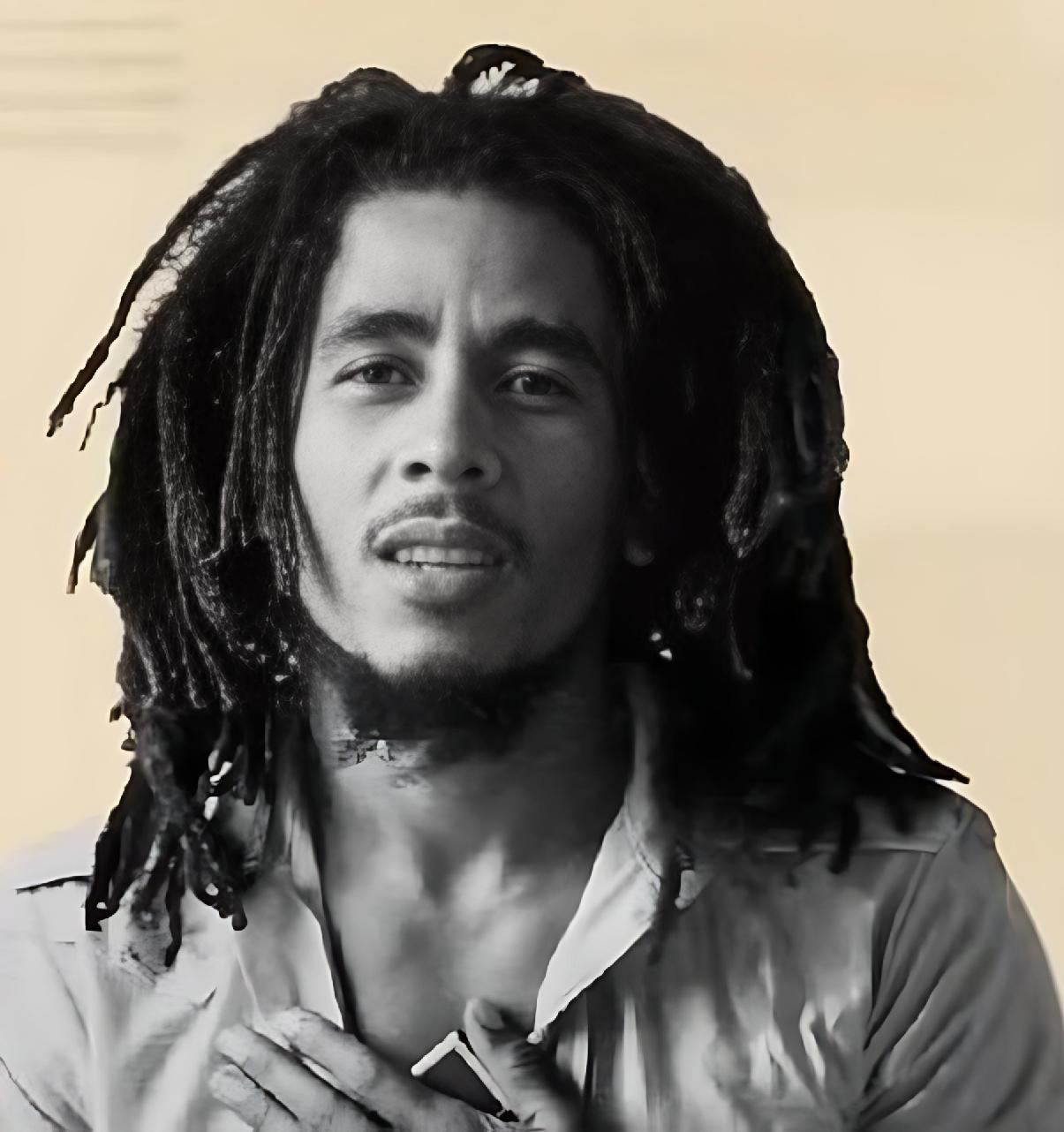
*When reggae legend Bob Marley died in 1981 at just 36 years old, he left behind one of the most influential music catalogs in history—but no will.
The absence of an estate plan set off a decade-long legal and financial battle that nearly placed Marley’s music, name and likeness in the hands of outside investors. Faced with the possibility of losing control of their father’s legacy, the Marley family searched for someone who could help them raise millions of dollars to keep ownership in the family.
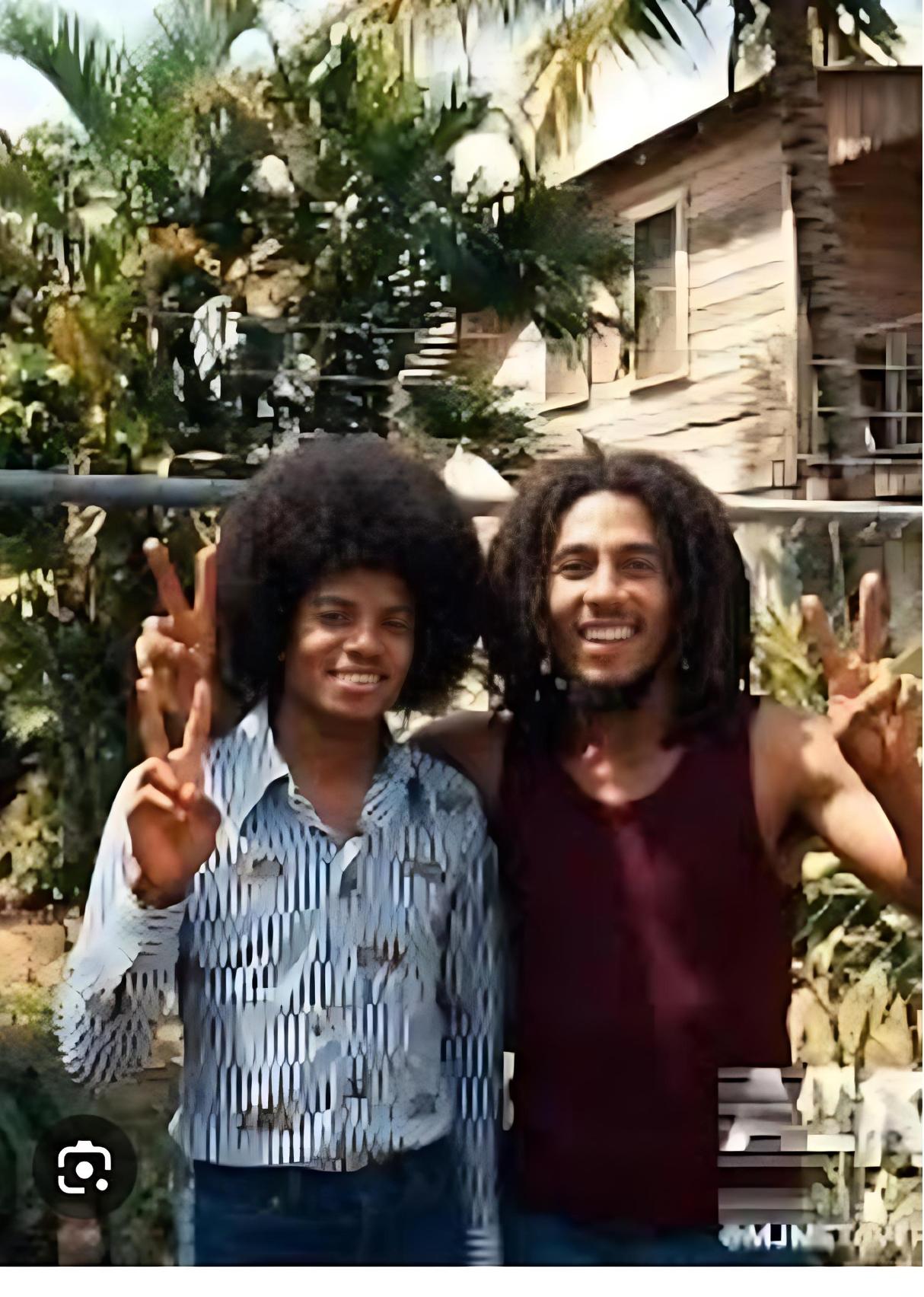
One of the people they approached was Michael Jackson.
According to Rohan Marley, the family asked the King of Pop for financial assistance.
His response surprised them.
Scroll to continue reading

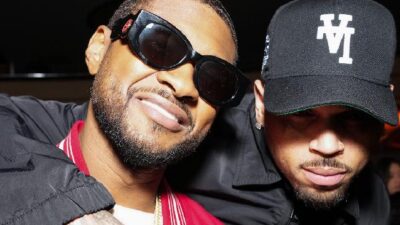
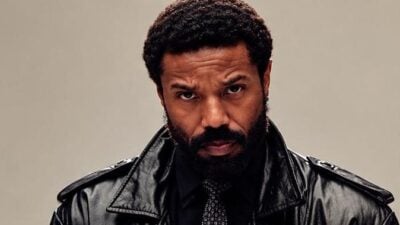




“We went to Michael and said, ‘Michael, could you help us? We need some money. We don’t have any money, and they’re trying to take our…'” Rohan recalled during a recent interview.
“Michael said, ‘No, I’ll buy it.'”
The Marley family declined.
Instead, they continued searching for a way to save Bob Marley’s legacy on their own terms.
A Race Against Time
Because Bob Marley died without a legally recognized will, his estate became tied up in Jamaica’s court system. His assets and music rights were effectively frozen while legal questions surrounding the estate were resolved.
Meanwhile, major music companies recognized the enormous value of the Marley catalog.
“MCA wanted to buy it,” Rohan recalled.
Fortunately, Jamaican law gave Bob Marley’s heirs the right of first refusal, allowing Rita Marley and the children to match outside offers before ownership could pass to someone else.
There was only one obstacle.
They didn’t have the money.
Why Michael Jackson Said No
By the time the Marley family approached him, Michael Jackson had become one of the most influential music-rights investors in the entertainment industry.
His acquisition of the ATV Music catalog—which included the Lennon-McCartney publishing rights—had fundamentally changed how artists viewed ownership. Jackson believed publishing rights could become even more valuable than recording hit songs themselves.
Viewed through that lens, his response to the Marley family reflected the same business philosophy that shaped much of his career.
He wasn’t offering a loan.
He was offering to become the owner.
For the Marleys, however, ownership was never negotiable.
They weren’t trying to maximize the value of Bob Marley’s catalog.
They were trying to keep it.
Chris Blackwell’s Unexpected Role
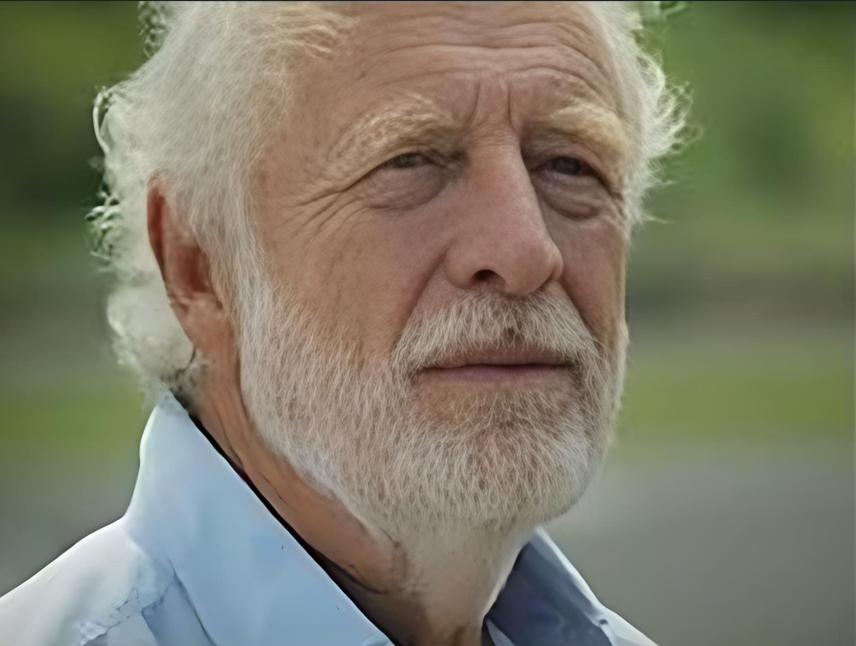
The breakthrough came from Island Records founder Chris Blackwell.
Although Blackwell has often been criticized by some fans for his business relationship with Marley, Rohan credits him with making the decision that ultimately preserved the family’s ownership.
According to Rohan, Blackwell loaned the Marley family approximately $11.5 million, allowing them to exercise their legal right of first refusal before outside buyers could acquire the estate.
“We were able to buy our father’s rights,” Rohan said.
On Dec. 9, 1991, the Jamaican Supreme Court formally approved the family’s buyout structure, securing ownership of the estate for Rita Marley and Bob Marley’s children.
The Story Beneath the Story
The fight over Bob Marley’s estate wasn’t simply about royalties.
It was about ownership.
Long before artists such as Prince publicly battled for control of their masters—or Taylor Swift launched her campaign to reclaim her recordings—the Marley family was fighting a similar battle to ensure that one of Black music’s most important cultural legacies remained in family hands.
Had they accepted Michael Jackson’s offer—or lost the bidding to another company—Bob Marley’s music, image and likeness might have become just another corporate asset.
Instead, the family retained control and has continued defending that legacy through companies such as Fifty-Six Hope Road Music Ltd. and Zion Rootswear, pursuing legal action against unauthorized commercial use of Marley’s name and image.
More than four decades after Bob Marley’s death, the decision still shapes how his music, message and image are presented to the world.
For an artist whose songs celebrated freedom, independence and self-determination, preserving ownership of his legacy may be one of the family’s greatest achievements.
(If You Like/Appreciate This EURweb Story, Please SHARE it!)
MORE NEWS ON EURWEB.COM: Bob Marley’s Ex-Mistress Ignites Social Media with Message to Late Singer | PicsVideos
We Publish Breaking News 24/7. Don’t Miss Out! Sign up for our Free daily newsletter HERE.