*As the nation prepares to celebrate Juneteenth, a fundamental question emerges for Black America: Is the American Dream still a relevant aspiration?
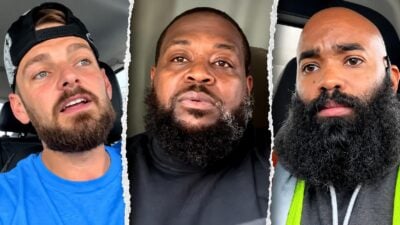
For many, the traditional vision of prosperity and equal opportunity has felt like a distant mirage. The consensus, as captured by BET in conversations on the streets of Chicago, points not to abandonment, but to a powerful act of redefinition. The notion that the American Dream was not universally intended is a sentiment echoed by many.
“There is no dream for Black people,” one individual shared with BET. “This country wasn’t built for us—it was built by us, for others.”
As the outlet points out, this perspective is reinforced by stark economic realities. Statistically, the racial wealth gap remains a chasm, with Black families possessing only 24 cents for every dollar of wealth held by white families. This disparity extends to homeownership, where the rate for Black families is 44%, a significant contrast to the 73% for white families. Furthermore, the burden of student debt falls disproportionately on Black graduates, who typically owe $25,000 more than their white counterparts.1
In the face of these systemic barriers, a spirit of self-determination has taken root. “We had to make our own version,” another person explained. “Their dream was never ours to begin with.”
Scroll to continue reading






This ethos of creation is powerfully captured in the idea that, “If they don’t have a seat for us at the table, we bring our own chair—or build a whole new table.”
This proactive creation of a new dream is visible across the nation. Black entrepreneurship saw a remarkable 38% increase after 2020, a testament to this drive, even as Black founders secure less than 1% of all venture capital funding.
Historically Black Colleges and Universities (HBCUs) continue to be pillars of advancement, producing 50% of Black doctors and 80% of Black judges despite being chronically underfunded. The movement extends to reclaiming physical and cultural territory through Black farmer coalitions and community land trusts.
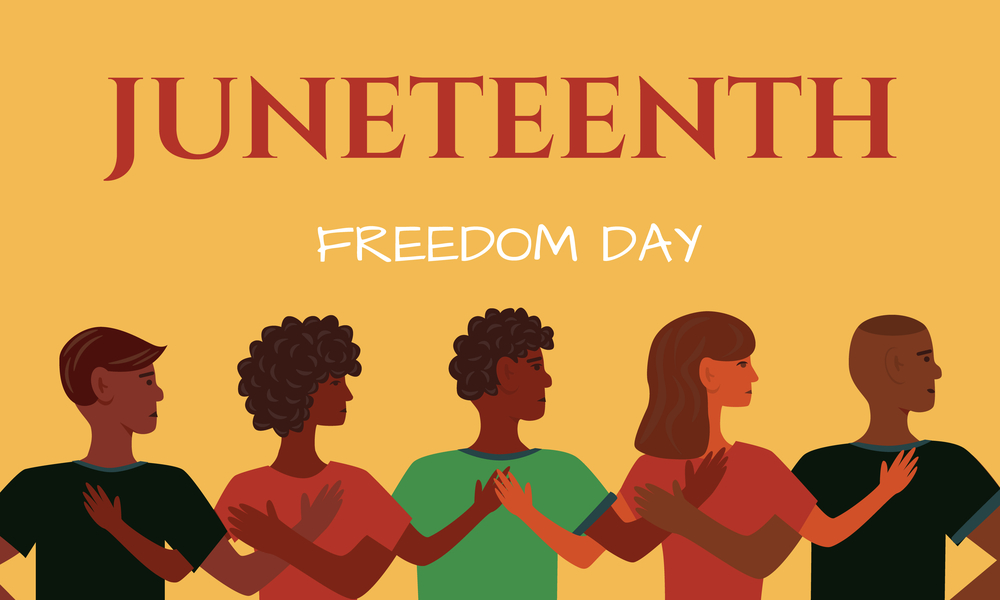
For many, this redefinition of dreams also means a reevaluation of national holidays, as BET.com writes: “For many, July 4th is a reminder of hollow promises. Juneteenth, however, is ours.”
Juneteenth resonates as a day of authentic commemoration. As one person stated, “Independence Day? No. Juneteenth? Absolutely. It’s about remembering who we were before they told us who we had to be.”
MORE FROM EURWEB.COM: Pulling Focus African American Film Festival Returns June 5–8th 2025
Sign up for our Free daily newsletter HERE.