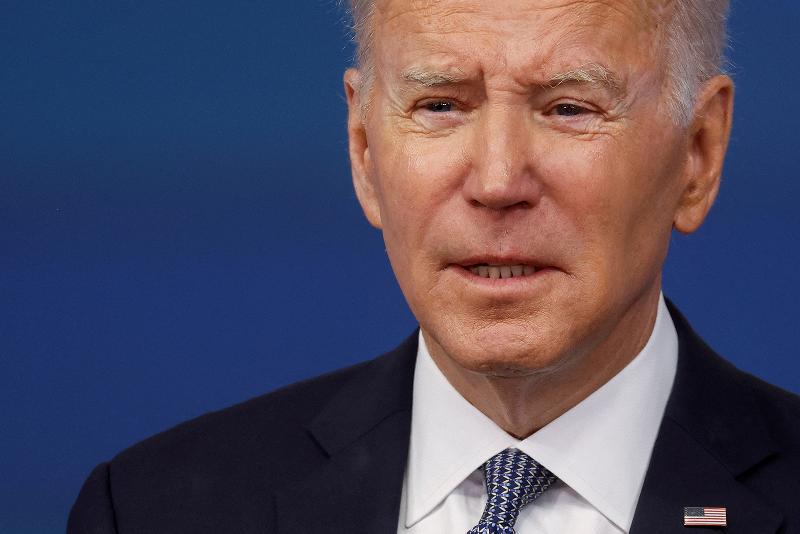
*On the last full day of his presidency, President Joe Biden took a monumental step in the realm of criminal justice reform by issuing five pardons, among them a posthumous pardon for the iconic civil rights activist Marcus Garvey.
The pardons were part of Biden’s commitment to restorative justice and exemplify his administration’s broader efforts to recognize historical injustices while endorsing rehabilitation and second chances.
In a statement, Biden underscored the message behind these clemencies, declaring, “America is a country built on the promise of second chances.” He reflected on the use of his clemency power, stating:
“As President, I have used my clemency power to make that promise a reality by issuing more individual pardons and commutations than any other President in U.S. history.”
Scroll to continue reading
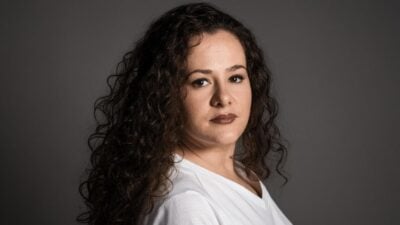
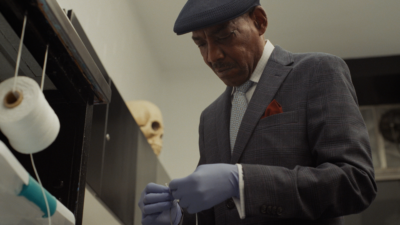




Biden emphasized that those who received pardons had shown significant remorse and had worked to positively impact their communities.
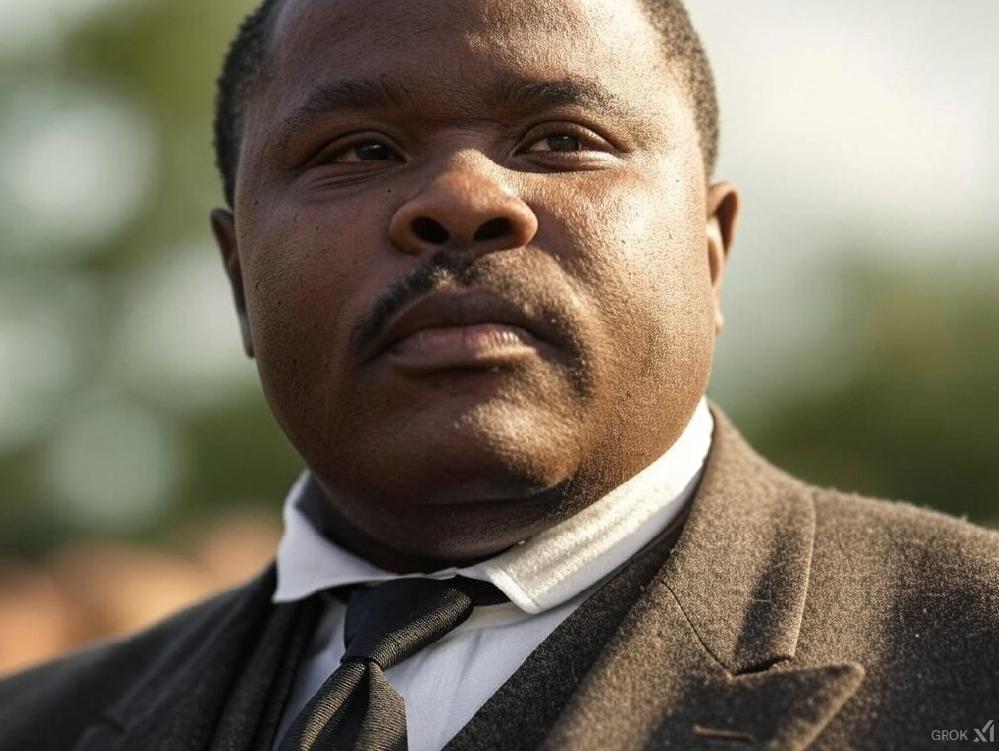
Among the recipients was Marcus Garvey, a renowned Black nationalist and a pivotal figure in the Civil Rights Movement. In 1923, Garvey was convicted of mail fraud and sentenced to five years in prison—a conviction many have contended was politically motivated, aimed at suppressing his growing influence. Biden’s White House celebrated Garvey’s legacy, highlighting his role as a leader of the Universal Negro Improvement Association and his establishment of the Black Star Line, the first Black-owned shipping company meant to promote international travel for people of African descent.
Congressional leaders and advocates had long urged the Biden administration to pardon Garvey, viewing his conviction as a significant historical injustice. The White House noted that Dr. Martin Luther King Jr. regarded Garvey as “the first man of color in the history of the United States to lead and develop a mass movement,” further solidifying his importance in American history.
In addition to Garvey, Biden pardoned several individuals whose stories reflect their journeys from adversity to advocacy. Ravidath “Ravi” Ragbir, an immigrant rights activist, was convicted of a nonviolent offense in 2001 and sentenced to two years in prison. His work has focused on helping others navigate the complexities of immigration law and advocating for the rights of immigrant families.
Kemba Smith Pradia, another recipient, was convicted of a drug offense in 1994 and sentenced to 24 years. In 2000, her sentence was commuted by President Bill Clinton, and since then, she has become a powerful advocate for criminal justice reform, sharing her experiences to influence policy changes that promote rehabilitation over punitive measures.
Additionally, two more individuals had their sentences commuted—Michelle West and Robin Peoples. West, who was sentenced to life in prison for serious drug-related offenses in the 1990s, spent over three decades behind bars demonstrating significant personal transformation. Her clemency petition garnered overwhelming support from activists and lawmakers who recognized her rehabilitation and commitment to social justice.
Biden’s record in issuing clemencies includes a total reduction of sentences for nearly 2,500 individuals during his presidency, a landmark achievement signaling a significant shift towards more humane and just treatment of those within the American penal system. By issuing these pardons, Biden is signaling that individuals who have shown regret and worked towards improving their communities should not be defined solely by their past mistakes, NPR is reporting.
Don Scott, the Virginia House Speaker who received a pardon for his nonviolent drug offense in 1994, expressed immense gratitude to Biden for the opportunity for redemption.
“I will never forget the pain my family felt when I was sentenced or the sound of my mother’s anguish in that courtroom. But I also won’t forget the joy of redemption and renewal—the sound of her tears as I was sworn in as Speaker,” remarked Scott about his journey.
The pardons issued by Biden not only provide a fresh start for the individuals involved but also resonate with broader societal themes surrounding justice, equity, and the potential for rehabilitation. The impact of these decisions may serve as catalysts in the ongoing conversation about criminal justice reform in the U.S., particularly as advocates call for an end to unjust sentences and racially biased incarceration practices. By making these historic pardons, Biden reinforces the idea that every individual is capable of change and deserves a chance to contribute positively to society. As the nation reflects on these acts of clemency, the hope is that they inspire further reforms that embrace forgiveness and second chances for all.
MORE NEWS ON EURWEB.COM: Like it Never Even Happened – TikTok Back Online After Trump Pledged to Restore it | WATCH