*Blood sugar management extends far beyond dietary choices alone. Physical movement, even in small doses, offers powerful benefits for controlling glucose levels and preventing the fatigue and irritability that follow sharp spikes and crashes.
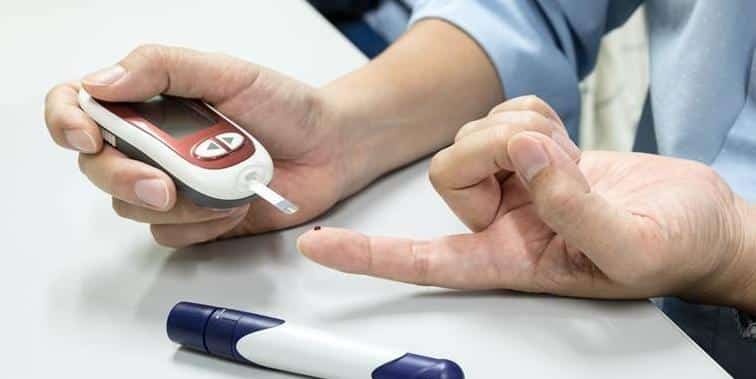
After eating, the body converts food into glucose, which enters the bloodstream and triggers insulin release so cells can use that glucose for energy. While fluctuations are normal, dramatic swings can trigger unpleasant symptoms and pose risks over time. Sharp spikes and drops can leave people feeling tired, irritable, and hungry soon after meals
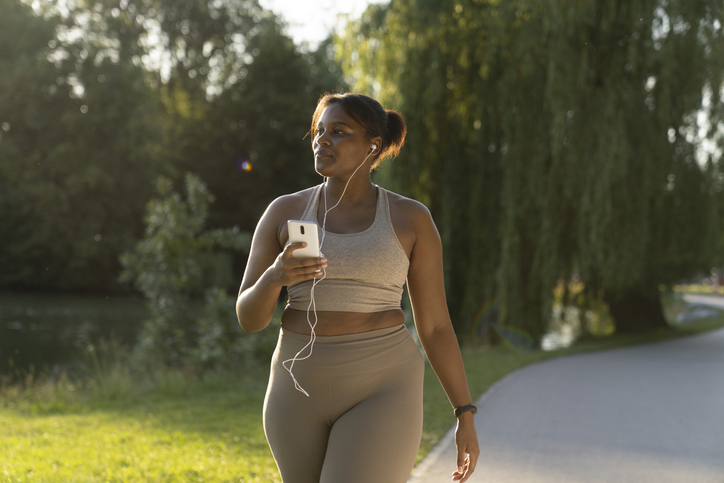
Stephanie Mansour, a weight loss coach and trainer featured in the Start TODAY app, advocates for a simple solution: moving shortly after you eat. “After dessert, a big meal or even a snack, you can engage in a quick walk to help lower blood sugar levels,” Mansour tells TODAY.com. No high-intensity exercise is required to experience meaningful results.
Scroll to continue reading









“This is the easiest and most accessible way to help lower blood sugar in as little as 10 minutes,” says Mansour. Studies indicate that walking for just two to five minutes post-meal can blunt glucose spikes effectively.
Walking works because it activates multiple muscle groups at once, which increases glucose uptake and improves insulin sensitivity. The American Diabetes Association notes that regular physical activity can help reduce the risk of long-term complications, including insulin resistance, diabetes, and cardiovascular disease.
Mansour recommends stepping out right after eating, especially following carbohydrate-rich or sugary foods. Whether outdoors or on a treadmill, maintaining a conversational pace is sufficient.
The ADA suggests:
- Choose moderate-intensity aerobic workouts, or circuit weight training with light weights and high repetitions.
- Practice relaxation techniques such as paced breathing, visualization, or meditation before and during your workout to minimize the adrenaline effect.
- Consider moving your workout to later in the day if you usually exercise in the early mornings. The dawn phenomenon, a natural rise in blood glucose that occurs between about 4:00 and 8:00 a.m., can result in higher levels during morning exercise. The same workout done later in the day is less likely to result in a rise.
- Talk with your doctor about adjusting your rapid-acting insulin or other short-acting diabetes medications before workout sessions that usually lead to a glucose rise.
- Avoid eating excessive amounts of carbohydrate before and during your workouts. Instead, try some yogurt with nuts or peanut butter.
If walking isn’t an option for you, click here to discover other ways to manage your blood sugar naturally.
MORE NEWS ON EURWEB.COM: Health Benefits of Apple Cider Vinegar for Metabolism and Blood Sugar
Sign up for our Free daily newsletter HERE.