*Metabolic and bariatric surgeries in the United States have seen a notable decline in recent years, even as GLP-1 medications continue to gain traction as a treatment option for obesity and related conditions.
Recent research published in “JAMA Surgery” found that bariatric surgery rates fell by 34% between 2022 and 2024, The Hill reports. Over the same period, use of GLP-1 drugs increased by 140.4%. The study analyzed data from 11.7 million patients diagnosed with obesity or diabetes, highlighting a major shift in treatment patterns.
A separate analysis from Loyola University Chicago reinforced the trend, reporting that the total number of metabolic and bariatric surgeries in 2024 dropped below 200,000 for the first time since 2020.
Bariatric surgery was once commonly referred to as “stomach stapling” and involved invasive operations to reduce stomach size. Today, gastric sleeve surgery and gastric bypass are among the most commonly performed options. Most of these procedures are now minimally invasive and have shorter recovery times.
Scroll to continue reading








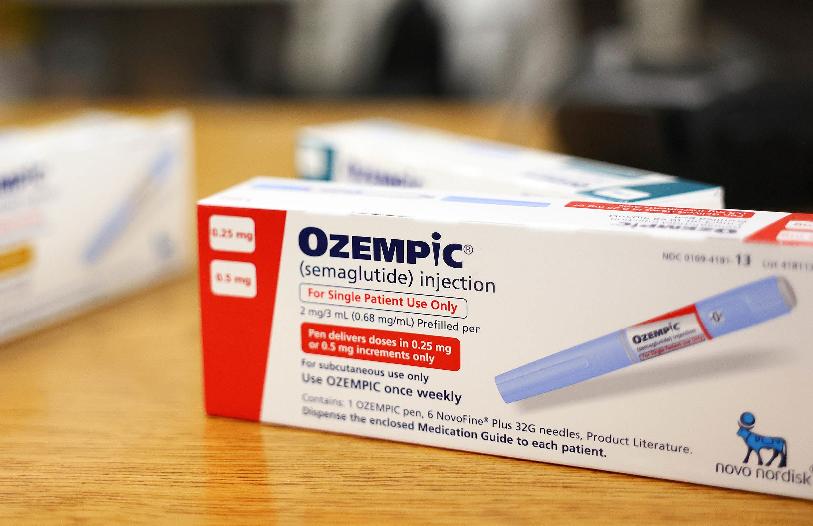
GLP-1 medications were originally developed to treat Type 2 diabetes. They work by slowing digestion and reducing appetite. Dr. Richard M. Peterson, president of the American Society for Metabolic and Bariatric Surgery, said the rise of these medications is changing how patients and doctors approach obesity treatment.
“GLP-1s are starting a conversation in doctors’ offices that really wasn’t happening as much as it should have been,” Peterson said. “The high demand for these drugs and greater attention on the dangers of obesity has created an unprecedented opportunity to educate and engage patients on all proven treatments — not just medications — which is essential to effectively treating this chronic disease.”
MORE NEWS ON EURWEB.COM: GLP-1 Users Are Developing Unexpected Perfume Obsessions
Sign up for our Free daily newsletter HERE.